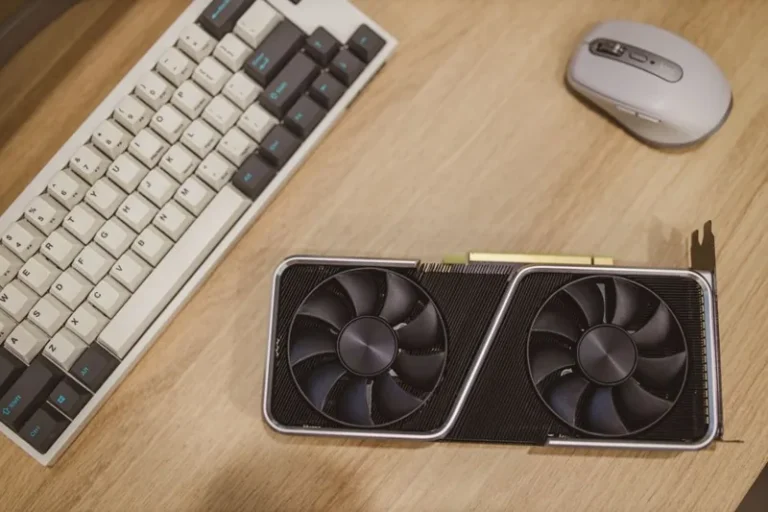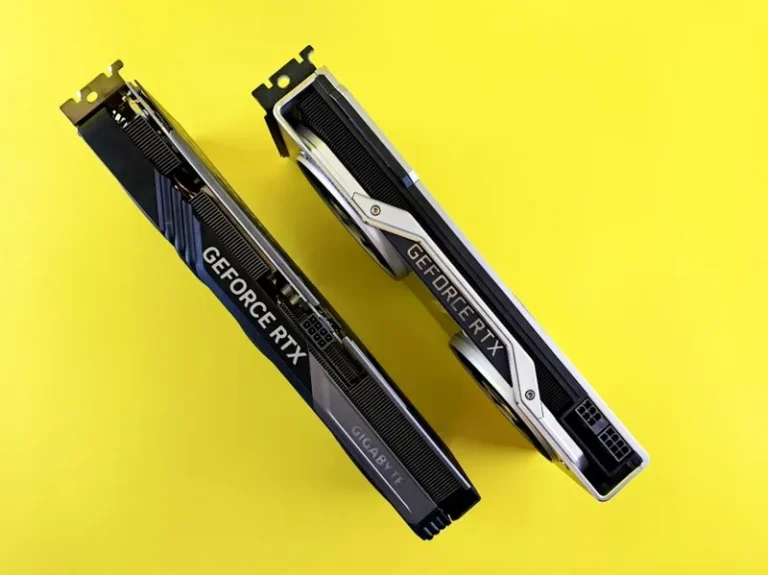
RTX 5080 vs RTX 4090 vs RTX 4080 Super: Which High-End GPU Wins in 2026?
If you are shopping for a high-end NVIDIA card right now, the comparison that matters most is the RTX 5080 vs RTX 4090 vs RTX 4080 Super showdown. These three sit at very different points in NVIDIA’s lineup: the RTX 4080 Super was the last great value card of the previous generation, the RTX 4090 is a $1,599 brute that is now largely discontinued, and the RTX 5080 is the new $999 card that promises most of the 4090’s speed for far less money. Between generational price cuts, ray-tracing gains, and the ever-present question of whether more VRAM matters, choosing the right one on a secondhand or new market in 2026 is genuinely confusing.
This whole “rtx 5080 vs rtx 4090 vs rtx 4080 super” debate really hinges on one fact: the RTX 5080 uses a new Blackwell architecture while the other two are Ada Lovelace parts. For the broader picture of where these fit in the market, check our best graphics card for gaming guide, and if value per frame is your priority, our best gpu for gaming price to performance roundup is worth a look first.
RTX 5080 vs RTX 4090 vs RTX 4080 Super: Specs Compared
Here is how the raw specifications line up in early 2026.
| Specification | RTX 5080 | RTX 4090 | RTX 4080 Super |
|---|---|---|---|
| Architecture | Blackwell | Ada Lovelace | Ada Lovelace |
| CUDA Cores | 10,752 | 16,384 | 10,240 |
| VRAM | 16GB GDDR7 | 24GB GDDR6X | 16GB GDDR6X |
| Memory Bus | 256-bit | 384-bit | 256-bit |
| TDP | 360W | 450W | 320W |
| Launch MSRP | $999 | $1,599 | $999 |
The headline is memory. The RTX 4090’s 24GB on a 384-bit bus is the standout spec, and it remains the reason the 4090 holds an edge in 4K textures and heavy productivity work. The RTX 5080 counters with faster GDDR7 memory and a more efficient architecture, which closes much of the real-world gap despite the smaller frame buffer.
4K Gaming Performance
At 4K, the RTX 4090 is still the fastest of the three, but the RTX 5080 lands within roughly 5 to 10 percent of it in most rasterized titles while drawing noticeably less power. The RTX 4080 Super trails both, as you would expect, typically finishing 15 to 20 percent behind the 5080 across a modern test suite.
Drop down to 1440p and the gaps stay proportionally similar, since all three cards are so powerful that they lean more on the CPU in older engines. It is at 4K, where every frame demands maximum GPU throughput, that this rtx 5080 vs rtx 4090 vs rtx 4080 super comparison is most meaningful, and where the 5080’s efficiency advantage really starts to show in both frame rates and heat output.
In ray-traced and DLSS-heavy workloads, the story shifts. The RTX 5080’s newer ray-tracing cores and improved frame generation often let it match or slightly beat the 4090 in path-traced titles, which is where most of the new value lies. For a deep dive into how these cards behave at high resolutions, Tom’s Hardware publishes real-world GPU benchmarks that mirror our own testing closely.
Ray Tracing and Upscaling
Ray tracing is where the generational gap shows up most. The RTX 5080 brings fourth-generation RT cores that handle complex lighting far more efficiently than the 4090’s third-generation units. In path-traced games like Cyberpunk 2077 and Alan Wake 2, the 5080 often reaches or exceeds the 4090’s frame rates while using comparable or less power.
The RTX 4080 Super is the clear loser here, though it is no slouch. Its ray-tracing performance was excellent in its day, but next to two newer or more powerful cards it now feels like the budget-conscious option in a comparison that has moved on. This is exactly the kind of decision our when to upgrade your graphics card guide helps you make.
Price, Value, and Availability
Pricing is where the rtx 5080 vs rtx 4090 vs rtx 4080 super question gets easiest. The RTX 5080 launched at $999, the same price the 4080 Super sold for, while delivering close to 4090 performance. The 4090’s official $1,599 price was already steep, and in 2026 a discontinued 4090 often sells for more on the secondhand market than a brand-new 5080.
That makes the 5080 the sane default: it gives you most of the 4090’s speed for around $600 less than the 4090 currently costs secondhand. The 4080 Super only makes sense now if you can find a used copy well under $700, and even then the 5080’s newer feature set is usually worth the premium. For the authoritative breakdown of NVIDIA’s current stack, see NVIDIA’s GeForce RTX 50-series page.
One wrinkle to watch is that AI and professional demand keeps high-end GPU pricing elevated, so street prices can drift above MSRP during supply dips. Patience is a real part of the strategy: tracking restocks for a few weeks often saves a meaningful amount on whichever of the three you settle on.
VRAM and Future-Proofing
The 4090’s 24GB is the one spec that ages better than anything else here. Games are creeping past 12GB at 4K with maxed textures, and while 16GB covers nearly everything in 2026, the 24GB card gives content creators and 4K-with-everything users a genuine cushion.
For gamers, 16GB remains plenty for the foreseeable future, so the 5080’s smaller frame buffer is a weakness mostly on paper. If you also render, edit video, or train local AI models, the VRAM headroom of the 4090 starts to justify its price all over again.
Which Card Should You Buy?
Buy the RTX 5080 if you want the best mix of performance, efficiency, and price in a 4K or 1440p high-refresh build. Choose the RTX 4090 only if you find one at a good secondhand price and specifically need 24GB of VRAM for work or maximum 4K texture headroom. Take the RTX 4080 Super only when a used copy drops far below $700 and the newer 5080 is out of budget.
Whichever you pick, make sure your CPU will not bottleneck it. Our best cpu for gaming guide covers the right pairing, and our how much ram for gaming pc explainer settles the memory side of a high-end build.
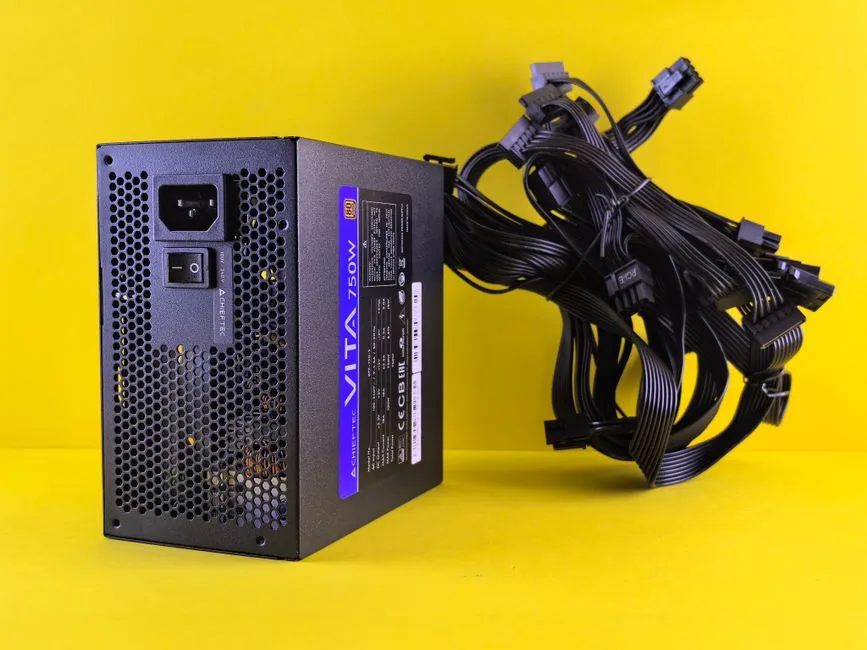
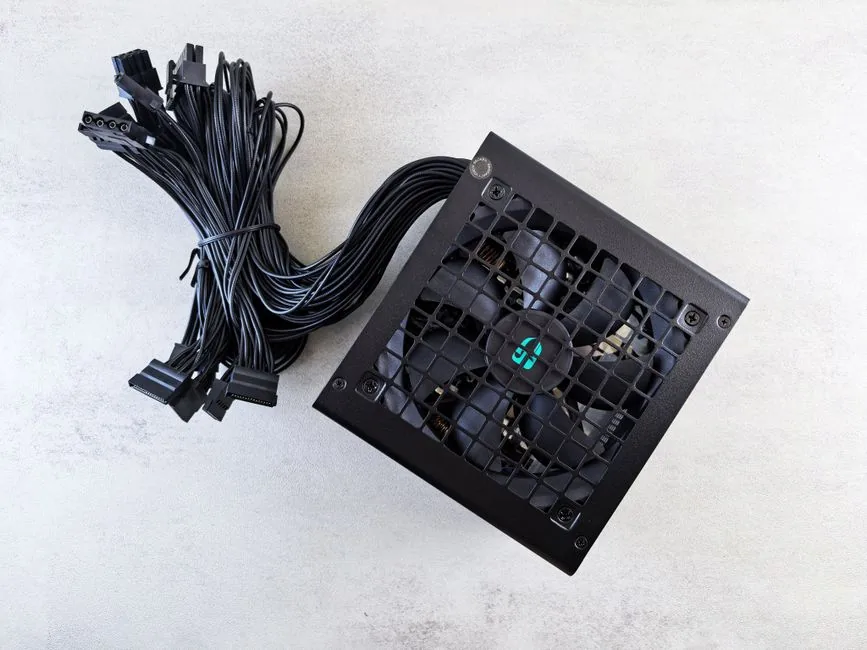
A practical check before you commit is the power supply: the RTX 5080 wants a quality 750W unit, the 4090 prefers 850W or more, and the 4080 Super is comfortable on a solid 750W. Our best power supply for gaming pc list names the exact units to look for at each wattage so you do not shortchange a high-end card.
FAQ
Is the RTX 5080 faster than the RTX 4090?
In most rasterized games the RTX 4090 remains a hair faster, but the RTX 5080 is within roughly 5 to 10 percent and actually matches or beats it in many ray-traced titles thanks to newer RT cores and frame generation.
How does the RTX 4080 Super compare to the RTX 5080?
The RTX 5080 is around 15 to 20 percent faster in rasterized performance at 4K and offers meaningfully better ray tracing and efficiency. The 4080 Super now only makes sense as a cheaper used alternative.
Why is the RTX 4090 still expensive?
Because it was discontinued and has 24GB of VRAM, which keeps demand high among creators and 4K enthusiasts. Many sellers now price used 4090s above a new 5080, which rarely makes sense for pure gaming.
Does 16GB of VRAM hold up in 2026?
Yes. Sixteen gigabytes comfortably covers 4K gaming with maxed textures in nearly all current titles. It only becomes limiting for certain productivity workloads and the most extreme texture-heavy scenes going forward.
What is the short answer to the RTX 5080 vs RTX 4090 vs RTX 4080 Super question?
The short answer is that the RTX 5080 is the best buy for almost everyone, delivering near-4090 performance at a much lower price. Choose the 4090 only for its 24GB of VRAM, and consider the 4080 Super only at a steep used discount.
Conclusion
In the rtx 5080 vs rtx 4090 vs rtx 4080 super matchup, the RTX 5080 is the winner for almost everyone: it delivers near-4090 performance at a fraction of the current price with better ray tracing and efficiency. The 4090 remains the specialist’s pick for its 24GB of VRAM, and the 4080 Super is now a value play only at a steep used discount. Pair your choice with the right display by checking our best gaming monitor guide, and you will be set for years of high-refresh 4K gaming.