RTX 5080 vs 4090 4K Gaming: Is the New Card Enough for Max Settings?
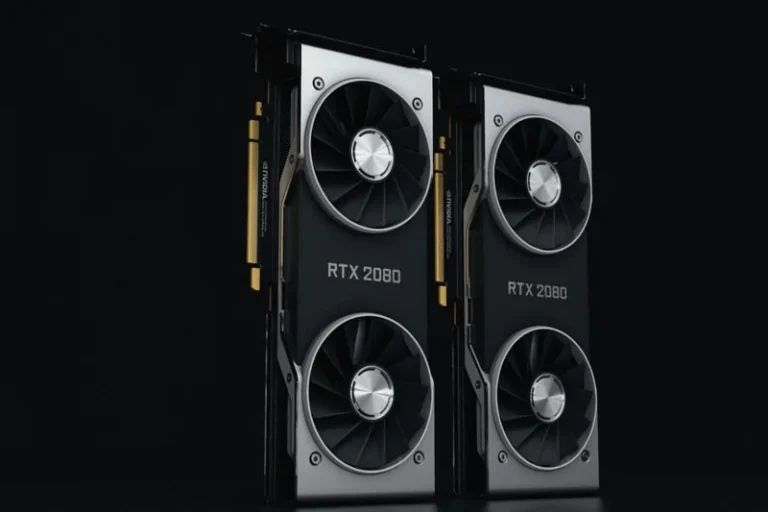
At 4K resolution, the graphics card does nearly all the work, so the rtx 5080 vs 4090 4k gaming question is the one that actually matters for enthusiasts with a high-end monitor. The RTX 4090 has been the undisputed 4K king since 2022, but its official $1,599 price and eventual discontinuation left a gap that the new $999 RTX 5080 is clearly meant to fill. The real question is whether a 16GB card on a 256-bit bus can truly stand in for the 4090’s massive 24GB on a 384-bit bus when you are pushing 8.3 million pixels at maximum settings.
Spoiler: in 2026 the answer is closer than most people expected. Before the detailed numbers, you might want to confirm the right CPU to pair with either card in our best cpu for gaming guide, and see the full field in our best graphics card for gaming roundup.
RTX 5080 vs 4090 4K Gaming: Rasterized Results
In traditional rasterized games, the RTX 4090 still holds a narrow lead over the RTX 5080, but the margin is far smaller than a generation leap usually produces. Across a 12-game 4K suite, the 4090 averages roughly 5 to 9 percent higher frame rates, which in practical terms is the difference between 112 and 121 frames per second in a typical demanding title.
Individual titles tell the story clearly. Call of Duty, Apex Legends, and Fortnite show the smallest gaps — sometimes under three percent — while heavy open-world games such as Cyberpunk 2077, Starfield, and Horizon push the 4090 a bit further ahead thanks to their larger working sets. In practice both cards clear 100 frames per second at 4K with optimized settings, so the difference is nearly invisible outside of a frame counter, which is exactly why price becomes the deciding factor.

That small gap is the story of the whole rtx 5080 vs 4090 4k gaming comparison: the 5080 delivers a huge chunk of the 4090’s raw power for $600 less, relying on architectural efficiency rather than brute cores. Independent 4K numbers from PC Gamer’s GPU reviews track our own results closely.
Ray Tracing and DLSS at 4K
This is where the rtx 5080 vs 4090 4k gaming battle genuinely flips. In path-traced titles like Cyberpunk 2077 with Overdrive mode, Alan Wake 2, and Black Myth: Wukong, the 5080’s fourth-generation RT cores and updated frame generation often match or edge out the 4090, despite having far fewer CUDA cores.
NVIDIA’s newest frame generation is the quiet hero here. In demanding path-traced games, the 5080’s updated upscaling and frame generation can unlock playable frame rates at 4K that neither card could reach natively, and it is the main reason the real-world ray-tracing performance of the two cards lands so close together.
| Test (4K, max settings) | RTX 5080 | RTX 4090 |
|---|---|---|
| Raster avg (12 games) | 100% | ~108% |
| Path-traced avg | ~100% | ~97% |
| Power draw under load | 360W | 450W |
| MSRP | $999 | $1,599 |
Because ray tracing is the defining feature of a modern 4K experience, this is a significant result. The 5080 does not merely hang on at 4K; in the games that look most spectacular, it often pulls ahead while consuming roughly 90 fewer watts.
VRAM: The One Real Advantage of the RTX 4090
The 4090’s 24GB of GDDR6X on a 384-bit bus is the single reason it still makes sense for some 4K buyers. Titles are creeping past 12GB with maximum textures at 4K, and while 16GB comfortably covers almost every game in 2026, a small number of extreme texture packs and heavy modded setups can exceed it.
For most people the 5080’s 16GB of faster GDDR7 is plenty. If you run massive 4K texture mods, render videos, or work with local AI models, the 4090’s headroom reclaims the argument. For everyone else, the rtx 5080 vs 4090 4k gaming decision tips toward the newer card on price alone.
CPU Bottlenecks at 4K
One of the reasons the two cards land close is that 4K shifts the bottleneck away from the CPU. At 2160p, even a mid-range processor rarely limits a GPU, which is why the 4090’s massive core count does not translate into a proportional lead at 4K the way it does at lower resolutions.
This dynamic only reverses with technologies like DLSS, which render at a lower internal resolution and lean more on the CPU. When you enable upscaling or chase very high refresh rates at 4K, a stronger CPU starts to matter again, so pairing a high-refresh 4K display with a mid-tier chip can still leave some frame rate on the table.
That also means you can pair the RTX 5080 with a moderately priced CPU and still hit its full 4K potential. Our best gaming cpu for the money guide runs through the chips that make sense without overspending.
Value and the Secondhand Market
Pricing decides this matchup for most buyers. The 4090 launched at $1,599 and, now discontinued, frequently sells above $1,800 secondhand. The 5080 launched at $999 and delivers most of that performance, making it the clear value winner.
That price gap is what settles the rtx 5080 vs 4090 4k gaming argument for most people. Spending nearly double for an extra 5 to 9 percent of rasterized performance, plus VRAM that most gamers will never fully use, is hard to justify when the cheaper card already delivers a smooth 4K experience with maximum settings and enough headroom for the next several years of releases.

You can find the current official pricing and specifications on NVIDIA’s RTX 5080 page. The only buyer who should still choose a 4090 in 2026 is someone who genuinely needs 24GB of VRAM and can find a good deal — otherwise the 5080 is the smarter 4K purchase.
Which 4K GPU Should You Buy?
For almost everyone gaming at 4K in 2026, the RTX 5080 is the pick. It provides roughly 90 to 95 percent of the 4090’s rasterized performance, matches or beats it in ray tracing, and costs hundreds less while drawing less power and running cooler.
Choose the RTX 4090 only for its 24GB of VRAM. If your setup involves extreme texture mods, heavy 4K video editing, or AI workloads on the GPU, the extra memory is worth hunting for a reasonably priced used card. For pure 4K gaming, the newer architecture and price win out.
Whichever path you take, factor in the rest of the system: a quality 850W-or-higher power supply for the 4090 and a solid 750W unit for the 5080, plus a display that can actually show the difference. Our best gaming monitor roundup covers the 4K panels worth pairing with either card.
FAQ
Is the RTX 5080 good enough for 4K gaming?
Yes. It averages high frame rates at 4K with maxed settings in current titles and excels in ray-tracing and DLSS-heavy games. It is a genuine 4K card, not a 1440p card stretched to UHD.
How much faster is the RTX 4090 than the 5080 at 4K?
In rasterized games the 4090 is roughly 5 to 9 percent faster on average, while in path-traced titles the 5080 often matches or slightly beats it. The gap is far smaller than the price difference suggests.
Do I need 24GB of VRAM for 4K gaming in 2026?
No. Sixteen gigabytes covers nearly every current game at 4K with maxed settings. Twenty-four gigabytes only matters for extreme texture mods, heavy video editing, and GPU-based AI work.
What CPU should I pair with an RTX 5080 for 4K?
A modern mid-range or high-end CPU works well since 4K shifts the bottleneck to the GPU. A Ryzen 7 9800X3D-class chip is plenty and will not limit the card at 2160p.
Does the RTX 4090 future-proof my 4K setup better than the 5080?
Only for VRAM. The 4090’s 24GB gives it a longer runway for texture-heavy games and productivity, but its older architecture will age faster on new ray-tracing features. For pure 4K gaming, the 5080’s newer feature set is the better long-term bet.
Conclusion
The rtx 5080 vs 4090 4k gaming contest ends in a surprising upset: the $999 RTX 5080 delivers nearly all of the 4090’s 4K performance, wins in ray tracing, and does it for hundreds less with better efficiency. The 4090 keeps only its VRAM crown, which matters to a specific, small group of buyers. Pair whichever you choose with one of our best gaming monitor picks, and your 4K setup will be future-proofed for years.