
RX 6900 XT vs RX 5700 XT: Is the Upgrade Worth It in 2026?
The rx 6900 xt vs 5700 xt question comes up most often from owners of an aging 5700 XT wondering whether a used 6900 XT is the smart next step. These two cards share an AMD badge but sit a full generation apart, and the gap between them is enormous, well over double the performance in many modern titles. In 2026, both cards live almost entirely in the used market, which changes the value math significantly compared to when they launched. The short answer is that the 6900 XT is a massive upgrade, but whether it is the right one depends on what you pay and what your current card is choking on.
This comparison breaks down raw performance, VRAM, ray tracing, power draw, and the 2026 used prices that actually decide the purchase. If you are weighing whether to stretch your older build or jump to something modern instead, this guide covers the honest trade-offs.
RX 6900 XT vs RX 5700 XT: Specs Compared
The spec sheet already tells most of the story, because these cards come from two different architectures. The 5700 XT is RDNA 1, while the 6900 XT is RDNA 2, and that generation jump brings more cores, more VRAM, and a much bigger memory bus.
| Spec | RX 5700 XT | RX 6900 XT |
|---|---|---|
| Architecture | RDNA 1 (Navi 10) | RDNA 2 (Navi 21) |
| GPU Cores | 2560 stream processors | 5120 stream processors |
| VRAM | 8 GB GDDR6 | 16 GB GDDR6 |
| Memory Bus | 256-bit | 256-bit |
| Ray Tracing | None | 1st gen RT accelerators |
| TDP | 225 W | 300 W |
| 2026 Used Price | $120–$160 | $350–$420 |
The two numbers that jump out are the VRAM doubling from 8 GB to 16 GB and the doubling of stream processors. Those two together explain almost all of the performance gap in the sections below.
Rasterization Performance: The Gap Is Huge
In raw rasterized gaming, the RX 6900 XT destroys the 5700 XT in a way that makes any bar chart look one-sided. Across the board, the 6900 XT is roughly 80 to 120 percent faster depending on the resolution and title. At 1440p this is the difference between “playable at medium” and “comfortable at high to ultra,” while at 4K the 5700 XT simply runs out of both raster throughput and memory.
For 1080p owners the gap is narrower in practice only because a monitor at that resolution rarely needs 6900 XT class power. But the moment you step to 1440p or higher refresh, the 5700 XT shows its age hard. If you are pairing either card with a modern CPU, my best budget CPU for gaming guide will help you avoid bottlenecking the faster card.
VRAM: The Real 2026 Killer
The single biggest reason the 5700 XT is fading in 2026 is its 8 GB of VRAM. Modern AAA games at 1440p routinely exceed that, forcing texture settings down or causing stutter when the buffer overflows. The 6900 XT’s 16 GB completely sidesteps that problem and will stay relevant for years, which is exactly why the older card’s used value keeps sliding.
If you play recent open-world or Unreal Engine 5 titles, the 8 GB versus 16 GB difference matters more than the raw FPS gap. Owners often notice the VRAM ceiling first, as stutters and blurred textures in exactly the games where a faster GPU should be keeping up. This is the quiet argument for skipping intermediate 8 GB upgrades entirely and jumping to a 16 GB card.

Ray Tracing and Modern Features
The 5700 XT has no ray tracing hardware at all, so any modern title with RT enabled is effectively off the table. The 6900 XT adds first-generation ray tracing accelerators, which is a real step up, but it is worth being honest here: RDNA 2 ray tracing was solidly mid-pack. It handles lighter RT workloads but struggles with heavy path tracing compared to NVIDIA’s cards of the same era.
For most readers this is not a dealbreaker, because the 6900 XT’s rasterization muscle means you can simply run games at high settings without RT and enjoy the performance. But if ray tracing is a priority, neither card in this comparison is the right tool in 2026. That is a job best left to a modern card, as my best GPU for gaming price to performance guide explains.
Power Draw and PSU Requirements
The upgrade brings a real power cost. The 5700 XT sips around 225 W, while the 6900 XT pulls roughly 300 W and can spike higher under load. That means moving up may require a power supply upgrade, especially if your current unit was sized only for the 5700 XT’s more modest draw.
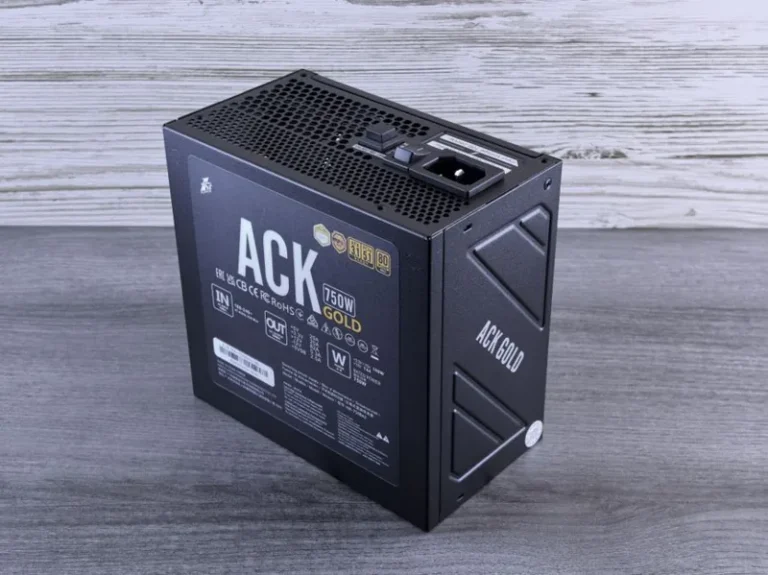
A quality 750 W power supply is the sensible minimum for a 6900 XT with a modern CPU, and 850 W gives comfortable headroom. Before you buy the card, check what your current unit is rated for, because a silent PSU failure under load is a frustrating way to learn the new card needs more power. My best power supply for gaming PC guide covers the right tiers to pair with it.
2026 Used Prices and Value
This is where the real-world decision lives. In 2026, the 5700 XT sells for around $120 to $160 used, while the 6900 XT sits at $350 to $420. That is a meaningful cash gap, and it is worth weighing against what a modern budget card delivers for the same money, because new options have aggressive price-to-performance ratios this generation.
The honest take is that a 6900 XT remains a strong 16 GB card for 1440p gaming, but only at the lower end of its used range. If you find one for $350 or less, it is a compelling upgrade. If you are approaching $400, a new mid-range card starts to look better once you factor in warranty and efficiency. For a complete perspective on when the jump makes sense, see my when to upgrade your graphics card guide.

Should You Upgrade from a 5700 XT to a 6900 XT?
If your main pain is VRAM limits and struggling frame rates at 1440p, the 6900 XT fixes both and roughly doubles your performance. For 5700 XT owners who want to stay on AMD and avoid a full platform rebuild, it is the natural step up, assuming your power supply can feed it.
The cases where it does not make sense are when you game at 1080p and are already satisfied, when you need modern ray tracing, or when the used 6900 XT is priced near $400 and a new card undercuts it. Be honest about your resolution and your budget, and the right answer is usually clear.
FAQ
How much faster is the RX 6900 XT than the 5700 XT?
The RX 6900 XT is roughly 80 to 120 percent faster than the 5700 XT in rasterized gaming, depending on resolution and title, with the gap widening at 1440p and 4K.
Is the RX 6900 XT still good in 2026?
Yes. With 16 GB of VRAM and strong rasterization performance, the 6900 XT remains a solid 1440p and even 4K card at the lower end of its used price range.
Does the 5700 XT have ray tracing?
No. The RX 5700 XT has no ray tracing hardware. The 6900 XT adds first-generation RT accelerators but is still weaker than modern ray tracing cards.
What power supply do I need for a 6900 XT?
A quality 750 W power supply is the sensible minimum, with 850 W recommended for headroom. The 6900 XT draws around 300 W, notably more than the 5700 XT’s 225 W.
Should I buy a used 6900 XT or a new card?
At $350 or less, a used 6900 XT is compelling. Near $400, a new mid-range card often beats it once you factor in warranty, efficiency, and modern features.
Conclusion
The rx 6900 xt vs 5700 xt comparison is really a question about whether your aging 5700 XT is still cutting it, and for most 1440p gamers in 2026 the answer is no. The 6900 XT doubles your performance and bumps VRAM to 16 GB, solving both of the current card’s biggest weaknesses in one purchase. The catch is power draw and used-market pricing, which make it a smart buy only at the right price.
Check your resolution, your power supply, and the used market before committing. For independent performance data, see AMD’s Radeon product page and historical reviews from TechPowerUp. Make the jump only when the price aligns with the performance you actually need, and you will be happy with the upgrade.