Mid Range Gaming PC Build 2026: The Best $1,200–$1,500 Parts List
A mid range gaming pc build 2026 is the value sweet spot of the whole market. It is where you get 1440p at high refresh rates, comfortable entry into 4K, and enough headroom to avoid an upgrade for several years, all without the flagship tax. For most people, this tier delivers 90 percent of a high-end experience at roughly half the price.
The current sweet spot sits between $1,200 and $1,500 for the tower alone. Below that, you start cutting corners; above it, you hit diminishing returns. This guide gives you a concrete parts list, explains each choice, and covers the upgrades that matter if your budget stretches.
The Complete Parts List and Prices
Here is the build, component by component, with typical 2026 U.S. street prices. This configuration targets high-refresh 1440p gaming and smooth entry into 4K.
| Component | Recommendation | Price | Notes |
|---|---|---|---|
| CPU | AMD Ryzen 7 9700X | $359 | 8 cores/16 threads, efficient and cool |
| GPU | AMD RX 9070 XT | $599 | 1440p monster, strong 4K entry |
| Memory | 32GB (2×16GB) DDR5-6000 CL30 | $95 | The standard for new builds |
| Storage | 2TB WD Black SN850X | $150 | Fast Gen4, room for big installs |
| Motherboard | MSI B850 Tomahawk | $180 | Solid VRMs, PCIe 5.0, Wi-Fi 6E |
| PSU | 850W 80+ Gold | $120 | Headroom for future GPU upgrades |
| Cooler | Thermalright Peerless Assassin 120 | $40 | Best air cooler for the money |
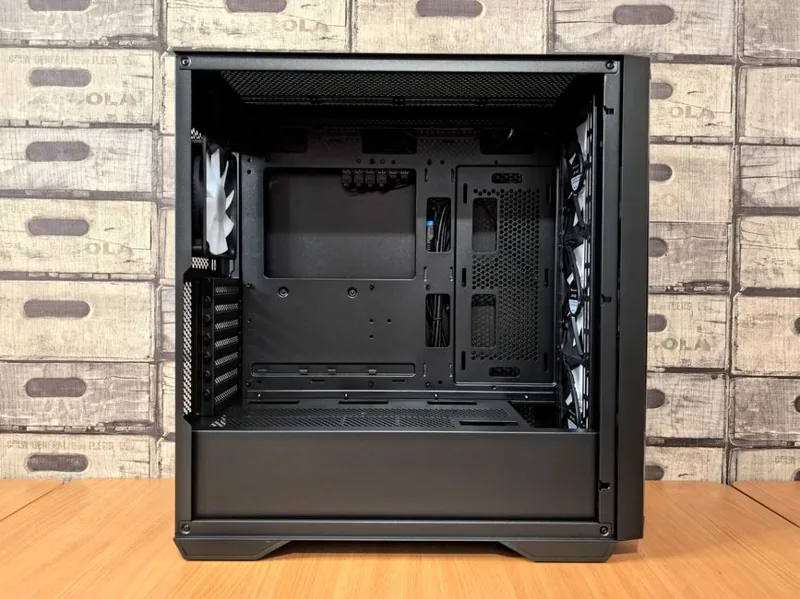
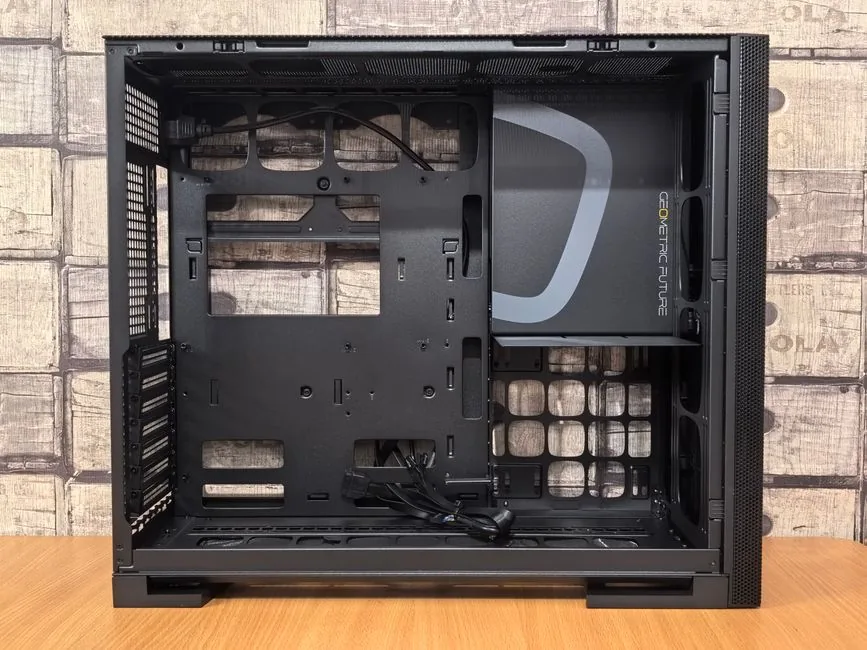
| Case | Lian Li Lancool 216 | $100 | Excellent airflow out of the box |
| Total | ~$1,640 |
That lands slightly above the $1,500 mark with the RX 9070 XT. If you want to stay under $1,500, swap the GPU for an RTX 5070 ($549) or RX 9070 ($549) and you drop to about $1,590, or choose a 1TB drive to trim a little more. Prices move, so treat these as targets.
Why This Is the Right Tier for Most Gamers
The mid-range tier sits exactly on the knee of the performance curve. Spending $600 more than a budget build gets you a dramatically better GPU and a smoother experience, while spending $800 more than this gets you a much smaller gain.
In practical terms, this build runs competitive games at 1440p and 200+ fps, modern AAA titles at 1440p ultra above 100 fps, and many 4K games at 60 fps with upscaling. That covers the monitor most enthusiasts actually own, which is why the mid-range is the default recommendation for anyone who plays a mix of games.
The GPU: The Most Important Decision
The graphics card is where your money should go first. In this tier, the Radeon RX 9070 XT and GeForce RTX 5070 are the two cards that define the category.
The RX 9070 XT at $599 is the raw-value pick. It trades blows with the RTX 5080 in rasterized games while costing hundreds less, and its 16GB of VRAM gives it staying power. The RTX 5070 at $549 costs less and adds NVIDIA’s superior ray tracing and DLSS upscaling, plus the NVENC encoder if you stream.
Both are excellent. Choose the RX 9070 XT for maximum frames per dollar at 1440p, or the RTX 5070 if you stream or want stronger ray tracing. Either way, do not step below 16GB of VRAM in 2026 if you want this build to age well.

CPU and Platform: AM5 Is the Smart Buy
AMD’s AM5 platform is the right foundation for a mid range gaming pc build 2026. The socket still has years of support ahead, which means a future CPU upgrade is a drop-in swap rather than a full motherboard replacement.
The Ryzen 7 9700X at $359 is the sweet spot: eight fast cores, low power draw, and easy cooling. If you mostly play games and want a few extra frames, the Ryzen 7 9800X3D at $479 is worth the stretch for its 3D V-Cache, though it costs more.
Intel’s Core Ultra 7 265K is a fine alternative if you find it on sale, but AM5’s upgrade path and efficiency make it the default recommendation for most new builds today.
Storage, Memory, and Power: The Easy Wins
A few components are simply settled at this tier. Use them as defaults and stop overthinking.
- Memory: 32GB of DDR5-6000 CL30 is the standard. It costs about $95 and removes RAM as a bottleneck entirely.
- Storage: A 2TB Gen4 NVMe like the WD Black SN850X or Samsung 990 Pro is the sweet spot for speed and capacity.
- Power supply: 850W 80+ Gold gives you headroom for a future GPU upgrade without spending flagship money.
These choices are boring on purpose. They are reliable, widely available, and unlikely to need replacing for years, which frees your budget for the GPU and monitor.
How This Build Compares Up and Down the Stack
Context helps when you are deciding how much to spend.
- Below this tier ($700–$900): You get 1080p gaming that works today but will need a GPU upgrade sooner, and you will compromise on VRAM and storage.
- This tier ($1,200–$1,500): The value peak. 1440p high-refresh is fully unlocked, and 4K entry is realistic.
- Above this tier ($2,200+): You gain 4K high-refresh and maxed ray tracing, but each extra frame costs far more.
If your main question is total budget for a higher-resolution target, our how much does it cost to build a 4k gaming pc guide breaks the numbers down tier by tier.
Upgrade Path: What to Change First
One advantage of this build is a clear upgrade path. When you eventually want more, here is the order that gives the most return.
First, upgrade the GPU. A future RTX 6080-class or RX 10000-series card drops straight into this system, since the 850W PSU and ATX case already have headroom. Second, upgrade the CPU to a newer AM5 chip when prices drop on the current X3D parts. Third, consider a faster monitor, since the PC will likely already outpace a 144Hz panel.
You do not need to upgrade memory or storage for a long time, which is exactly why we spec them generously now.
Why a Mid Range Gaming PC Build 2026 Is the Smart Default
When someone asks what to build on a normal budget, this tier is the answer most of the time. It sits where performance gains are still large for each dollar spent, before the curve flattens out at the high end.
A $1,400 to $1,600 mid-range build maxes 1440p, runs esports titles at very high frame rates, and still handles 4K when you want it. Stepping down to a $800 budget costs you a large slice of GPU performance and future headroom. Stepping up to $2,400 adds noticeably less for the money.
That is why the mid-range is the default recommendation for a first serious build, a first upgrade cycle, or anyone who wants a machine that stays relevant for years without flagship spending. It is also the easiest tier to keep cool, quiet, and simple to assemble, since the components draw modest power and run efficiently.
Frequently Asked Questions
Is a mid range gaming pc build 2026 enough for 4K?
Yes, for entry-level 4K. The RX 9070 XT or RTX 5070 handles 4K at 60 fps with upscaling on many titles, though you will dial back settings on the most demanding games. For a smooth 4K experience across the board, step up to the RTX 5080 tier described in our 4K cost guide.
How much should I spend on a mid-range gaming PC?
Between $1,200 and $1,500 for the tower is the sweet spot in 2026. That budget buys a Ryzen 7 or Core Ultra 7 CPU, an RX 9070 XT or RTX 5070 GPU, 32GB of RAM, and a 2TB SSD, which maxes 1440p and starts into 4K.
AMD or NVIDIA for a mid-range build?
Both are strong. AMD’s RX 9070 XT offers more raw performance per dollar at 1440p, while NVIDIA’s RTX 5070 adds better ray tracing and the NVENC encoder for streaming. Choose based on whether you value pure frames or streaming and ray tracing.
Is 16GB of VRAM enough in 2026?
For a new mid-range build, aim for 16GB. Several 2026 titles already push past 12GB at high settings and 1440p, so 16GB keeps the build relevant for years. Avoid 8GB cards at this price point.
Should I build now or wait for new hardware?
If you need a PC, build now. The current Ryzen 9000 and RTX 50-series / RX 9000 parts are mature, widely available, and well priced. Waiting always promises something better next quarter, but the value in this tier right now is excellent. If you want a smaller footprint instead, compare our mini itx gaming build worth it guide.
The Bottom Line
The mid range gaming pc build 2026 is the smartest place to spend your money. Around $1,400 to $1,600 gets you a Ryzen 7 9700X, an RX 9070 XT, 32GB of DDR5, and a 2TB SSD — a machine that maxes 1440p, touches 4K, and upgrades cleanly for years.
Start with the parts list above, price the GPU first, and leave the 850W power supply in place for the future. If you also plan to stream, our best gaming pc build for streaming guide shows the small upgrades that matter, and you can confirm current GPU rankings at PC Gamer’s GPU guide.