Best Gaming PC Build for Streaming in 2026 (Parts & Budget)
The best gaming pc build for streaming in 2026 is not a gaming PC with a webcam bolted on. It is a machine built to handle two demanding jobs at once: running the game at high frame rates and encoding a clean video feed for Twitch, YouTube, or Kick without dropping frames in either.
That dual workload changes a few part choices. You want more CPU cores than a pure gaming rig, plenty of RAM headroom, and a GPU with a strong hardware encoder. You also want reliable cooling, because streaming means your components run hot for hours at a time. This guide lays out a proven parts list, the budget tiers, and the specs that actually matter.
The Parts List That Handles Games and Encoding Together
This is a balanced build that games at 1440p while streaming at 1080p60 without stutter. Prices are typical 2026 U.S. street prices.
| Component | Recommendation | Price | Why it matters |
|---|---|---|---|
| CPU | Ryzen 7 9800X3D | $479 | Fast gaming cores plus 8 cores/16 threads for encoding |
| GPU | NVIDIA RTX 5070 Ti | $749 | NVENC encoder offloads streaming from the CPU |
| Memory | 32GB DDR5-6000 CL30 | $95 | Room for game, OBS, browser, and overlays |
| Storage | 2TB Gen4 NVMe | $150 | Fast load times and room for VODs and clips |
| Motherboard | B850 ATX | $180 | Solid VRMs and modern connectivity |
| PSU | 850W 80+ Gold | $130 | Headroom for sustained load |
| Cooler | 280mm AIO | $110 | Keeps the CPU quiet during long sessions |
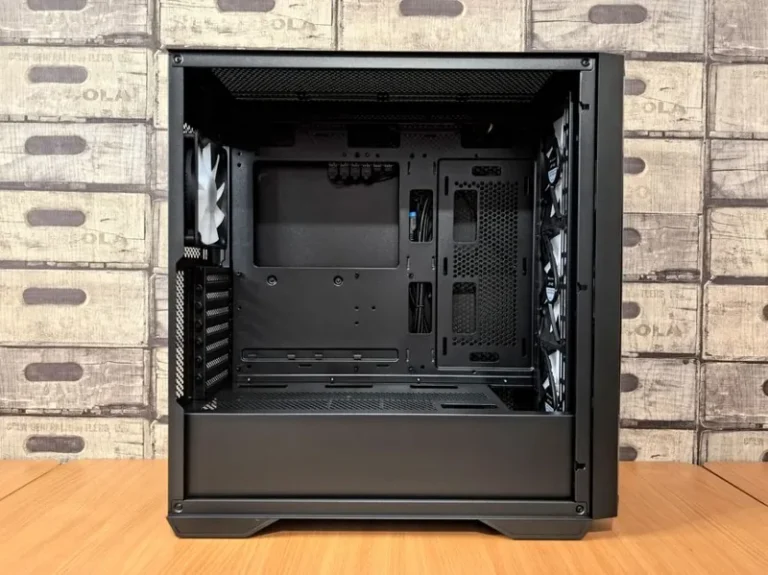
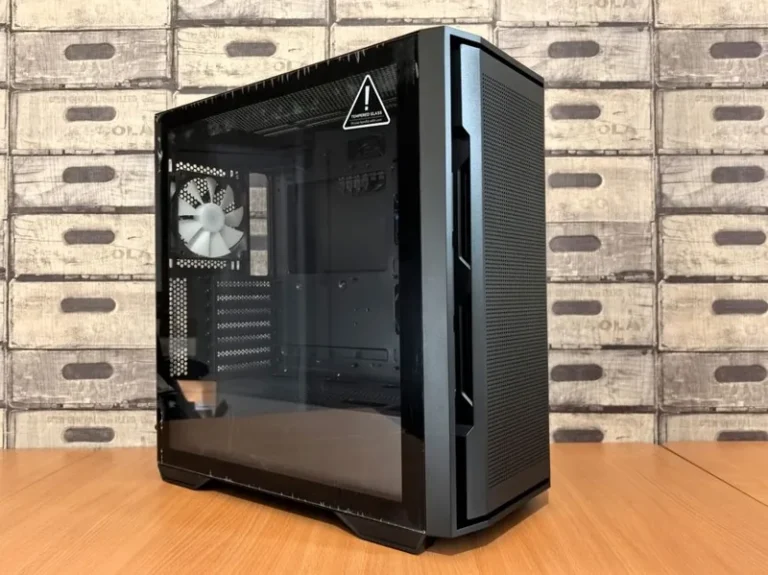
| Case | Airflow mid-tower | $100 | Good thermals for hours-long streams |
| Total | ~$2,000 |
If you plan to stream at 4K or want extra headroom, bump the CPU to a Ryzen 9 9950X3D and the GPU to an RTX 5080. That pushes the total to roughly $2,900.
CPU: Cores Are Your Friend When Streaming
Streaming adds real work on top of gaming. The game already uses several cores, and your encoder, overlays, alerts, and scene transitions pile on more. A chip with eight or more cores prevents the stutter you get when the CPU runs out of threads.
The Ryzen 7 9800X3D is the current sweet spot. Its 3D V-Cache keeps game frame rates high while its eight cores handle the stream. If you edit clips and VODs between streams, the 16-core Ryzen 9 9950X3D or Intel Core Ultra 7 265K gives you more headroom.
Do not under-buy the CPU to save $100. A CPU that maxes out during a stream produces visible frame drops that no GPU can fix.
GPU: Use the Hardware Encoder
This is the single biggest upgrade for streamers, and it is why NVIDIA cards dominate the category. The RTX 50-series NVENC encoder handles video encoding on dedicated hardware, so your game and your stream barely compete for resources.
In practice, an RTX 5070 Ti or 5080 lets you stream at 1080p60 with almost no measurable hit to in-game frame rate. AMD’s RX 9070 series has improved its encoder a lot, and it works well, but NVIDIA still has the smoother experience with more mature software support in OBS.
Set OBS to use NVENC (NVIDIA) rather than x264 (CPU) encoding, and you will see the difference immediately.
RAM and Storage: Leave Real Headroom
Streamers are multitaskers by default. A typical session runs the game, OBS, a browser with your dashboard, Discord, and music all at once. That pile of apps pushes memory use past what a pure gaming rig needs.
32GB of DDR5 is the minimum for a serious streaming build, and it is cheap enough now that there is no reason to go lower. 16GB will work for casual streams but will bottleneck you once you add overlays, capture cards, and heavier scenes.
For storage, a 2TB NVMe drive is worth the extra $60 over 1TB. Games in 2026 routinely pass 100GB, and recorded VODs and highlight clips add up fast.
Cooling and Noise: You Are Live
A streaming PC runs hard for hours, and the microphone picks up everything. Two things matter: keep components cool enough to sustain full performance, and keep fan noise low enough that it does not leak into your audio.
A 280mm or 360mm AIO on the CPU and a case with good airflow both help. Quiet fans, a quality power supply, and a noise gate or compressor on the microphone finish the job. Thermal throttling during a long stream causes frame drops, so treat cooling as a performance part, not an afterthought.
The Cheaper Path: GPU Encoding on a Budget Build
If your budget is tighter, you can still stream well by leaning on the GPU encoder. A Ryzen 5 9600X with an RTX 5060 Ti or RTX 5070 and 32GB of RAM streams 1080p60 comfortably for around $1,300 to $1,400.
The trick is accepting slightly lower in-game settings and keeping your scene collection lean. Fewer heavy overlays and animated sources mean less CPU and GPU load. This is also where a mid-range build makes sense for a lot of new streamers, which is why the same core parts show up in our mid range gaming pc build 2026 guide.
Streaming Peripherals Worth Budgeting For
The tower is only part of a streaming setup. A few peripherals separate a clean stream from a rough one.
- Microphone: A USB condenser mic like the Shure MV7 or HyperX QuadCast runs $100 to $250 and sounds dramatically better than a headset mic.
- Camera: A Logitech StreamCam or a mirrorless camera with a capture card, from $130 to $500 plus.
- Second monitor: Reading chat and your dashboard on a second screen is almost mandatory, so budget $150 to $300.
- Capture card: Needed only if you stream console gameplay; an Elgato HD60 X runs about $180.
These add up, so plan for them rather than being surprised after the PC is built.
The Best Gaming PC Build for Streaming at Three Budgets
You do not need a $2,000 rig to start streaming. Here is how the same core advice scales across three budgets.
At around $1,300, a Ryzen 5 9600X with an RTX 5060 Ti and 32GB of RAM streams 1080p60 cleanly, provided you keep your scenes simple and your in-game settings reasonable. At the ~$2,000 sweet spot, the Ryzen 7 9800X3D and RTX 5070 Ti combination above streams at 1080p60 with headroom to spare while gaming at 1440p.
At $2,900 and up, a Ryzen 9 9950X3D and RTX 5080 let you stream at 1440p or push toward 4K, while also handling video editing between streams. The upgrade that matters most at every tier is the same: a GPU with a strong hardware encoder, which is why NVIDIA’s NVENC is the default recommendation.
Frequently Asked Questions
What makes the best gaming pc build for streaming different from a gaming PC?
It prioritizes CPU core count, RAM headroom, and a strong hardware encoder over raw single-thread gaming speed. A pure gaming PC can get away with six cores and 16GB of RAM; a streaming PC benefits from eight or more cores and 32GB because it runs the game and the encoder at the same time.
Should I use NVENC or x264 for encoding?
Use NVENC if you have an NVIDIA GPU. It encodes on dedicated hardware with almost no impact on game performance. Use x264 on the CPU only if you have a very high core-count CPU and no hardware encoder available, though NVENC is the better default for most streamers.
Do I need a capture card to stream PC games?
No. A capture card is only for capturing an external source like a console or a second PC. When you stream directly from the PC running the game, OBS captures the feed in software with no capture card needed.
Is 32GB of RAM necessary for streaming?
It is strongly recommended. Streaming software, a game, a browser, Discord, and overlays together routinely push past 16GB. 32GB costs around $95 now and removes memory as a source of stutter during long streams.
Can I stream 4K with a mid-range PC?
Streaming at 4K is far more demanding than 1080p, on both bandwidth and hardware. For 4K streams, step up to a Ryzen 9 9950X3D and an RTX 5080 or better. Most channels are still better served by a clean 1080p60 stream, which this parts list handles easily. For the cost picture at 4K, see how much does it cost to build a 4k gaming pc.
The Bottom Line
The best gaming pc build for streaming in 2026 pairs an eight-core CPU like the Ryzen 7 9800X3D with an NVIDIA RTX 5070 Ti or 5080 and 32GB of RAM, landing around $2,000. That combination games and encodes simultaneously without frame drops, and it leaves room to grow.
Start with the parts list above, set OBS to NVENC, and add a good microphone before you chase fancier gear. If you are also targeting high-resolution gameplay, check our gaming pc build for 1440p guide, and brush up on encoder settings at OBS Studio’s documentation.