Mini ITX Gaming Build Worth It? A 2026 Cost & Performance Breakdown
Is a mini itx gaming build worth it in 2026? For a lot of builders the honest answer is yes, but with a few real trade-offs you should understand before you buy parts. Small form factor (SFF) PCs have matured in the last two years. Modern Mini-ITX boards, short graphics cards, and compact cases now deliver desktop-grade performance in a chassis the size of a shoebox, so the old “SFF means slower and hotter” rule no longer holds.
That said, an ITX build costs more per watt than a standard mid-tower, and it is harder to assemble. The value depends on what you want: a tiny PC for a desk, a living-room console, or a travel LAN rig. If space and portability matter to you, the extra cost is easy to justify. If you just want the cheapest frames per dollar, a mid-tower still wins.
This guide walks through the real costs, the cooling limits, the parts that work, and a complete 2026 parts list so you can decide for yourself.
What a Mini-ITX Build Actually Costs in 2026
The premium you pay for going small comes mostly from three components: the motherboard, the power supply, and the case. Standard ATX parts have heavy competition, while ITX-specific hardware sells in smaller volume and carries a markup.
Here is a realistic picture of where the money goes, comparing an equivalent mid-tier build in both form factors.
| Component | Mini-ITX (SFF) | Mid-tower (ATX) |
|---|---|---|
| Motherboard | $180–$240 (B850I) | $140–$180 (B850) |
| Power supply | $120–$160 (SFX 750W) | $90–$110 (ATX 750W) |
| Case | $110–$180 | $70–$110 |
| CPU cooler | $60–$120 (low-profile/AIO) | $40–$90 (air) |
| Total SFF tax | $140–$260 extra | — |
As a rule of thumb, expect to pay $150 to $250 more for the same performance. That is usually the first surprise for builders new to SFF, and it is the single biggest factor in whether a mini itx gaming build is worth it for you.
When an SFF Build Is Worth the Extra Money
Small builds shine in a few specific situations. If several of these describe your setup, the premium pays for itself quickly.
- Desk space is tight. A 10 to 20 liter case frees up room under or on a cramped desk.
- You move the PC often. LAN parties, college dorms, or a second home make a 15-pound box far easier to carry.
- The PC lives in a living room. A console-style case slots into an entertainment center far better than a full tower.
- You just want it out of sight. A clean desktop with no big metal box is a legitimate aesthetic win.
On the other hand, if the PC sits on the floor in a dedicated room and never moves, you are paying a premium for a benefit you will not see.
The Cooling Reality Check
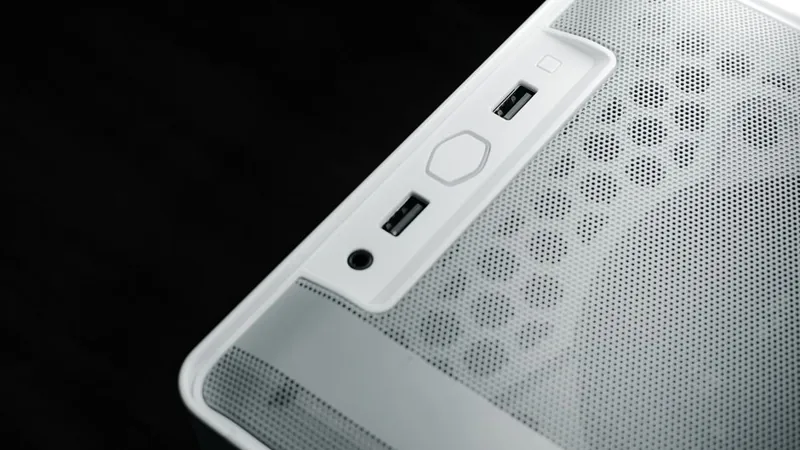
Thermals are the biggest engineering challenge in SFF, and in 2026 the gap has narrowed but not disappeared. A compact case physically limits both cooler height and airflow paths.
For CPUs up to about 105W, low-profile air coolers and 240mm AIO liquid coolers handle the job fine. For a high-wattage chip like a Ryzen 7 9800X3D or Core Ultra 7, you will want a 240mm or 280mm AIO and a case with a mesh panel. Small cases will also run 3 to 8 degrees Celsius warmer than a good mid-tower under load, which is normal and expected.
Graphics cards are actually the easier part now. RTX 50-series and RX 9000-series cards come in plenty of short, two-slot variants that fit most ITX cases. Just check the maximum GPU length and thickness in the case spec before you buy anything.
A Solid 2026 Mini-ITX Parts List
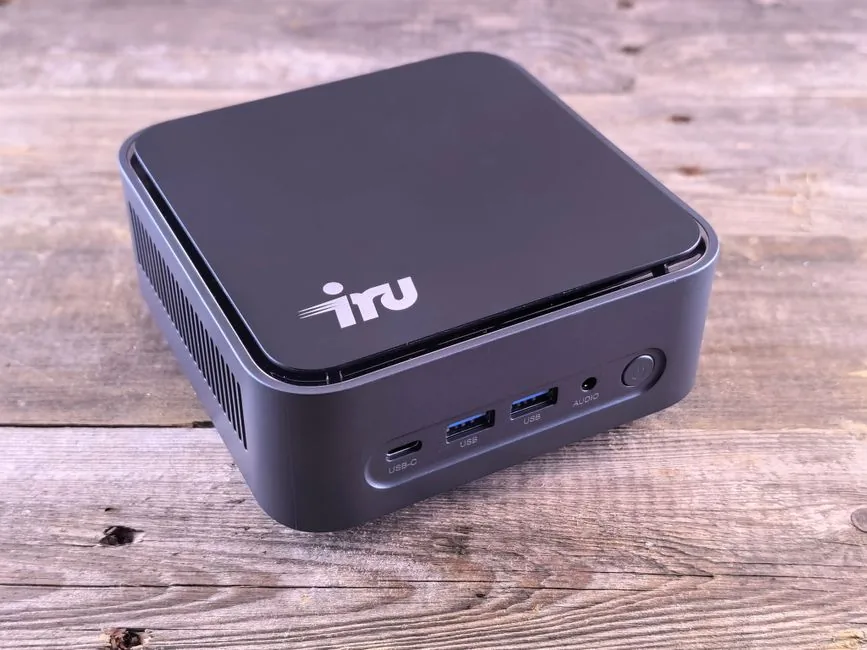
This build targets smooth 1440p gaming at high settings and fits an 11-liter console-style case. Prices are typical mid-2026 U.S. street prices and will drift with stock.
- CPU: AMD Ryzen 5 9600X ($279) — efficient enough to cool quietly in a small case.
- Motherboard: ASUS ROG Strix B850-I Gaming WiFi ($240) — AM5, PCIe 5.0, good VRM.
- Memory: 32GB (2×16GB) DDR5-6000 CL30 ($95).
- Storage: 2TB WD Black SN850X NVMe ($150).
- GPU: NVIDIA RTX 5070, a dual-fan model under 260mm ($549) or an RTX 5060 Ti ($429) to save budget.
- Power supply: Corsair SF750 (750W SFX, 80+ Platinum) ($160).
- Cooler: Thermalright AXP120-X67 low-profile ($55), or a 240mm AIO if the case supports it.
- Case: Fractal Ridge ($150) or Cooler Master NR200P Max ($330 with AIO and PSU).
Total lands around $1,680 to $1,850 depending on GPU choice. That same core in a mid-tower would run roughly $1,450 to $1,600, which shows the SFF premium in real numbers.
Build Difficulty and Assembly Tips
An ITX build is genuinely harder to assemble than a standard PC, mostly because everything is tight. Expect to spend more time on cable management and to install components in a specific order.
Follow this order to avoid frustration: mount the CPU, RAM, and M.2 drive on the board first, then install the cooler, then drop the board into the case, and route cables before adding the power supply and GPU last. Read the case manual, because many ITX cases need parts installed in a non-obvious sequence.
Patience is the real tool here. Plan for two to three hours on your first SFF build, versus 60 to 90 minutes for a mid-tower.
Mini ITX vs Micro-ATX: The Middle Ground
If Mini-ITX feels too cramped but a full tower is overkill, Micro-ATX often hits the sweet spot. A compact mATX case is only slightly larger than most ITX cases, yet it accepts cheaper mATX motherboards and standard ATX power supplies.
The trade-off is flexibility versus price. Micro-ATX boards are usually $40 to $80 cheaper than ITX boards, and you can reuse a normal ATX PSU. If you want “small but easy,” Micro-ATX may be the better answer. For the smallest possible footprint, ITX still wins.
This decision often comes down to the same question people ask before any build: how much do you value the last few liters of saved space? If you are still deciding on a resolution target first, see our gaming pc build for 1440p guide, or compare total cost against a mid range gaming pc build 2026.
Is a Mini ITX Gaming Build Worth It? The Final Trade-Offs
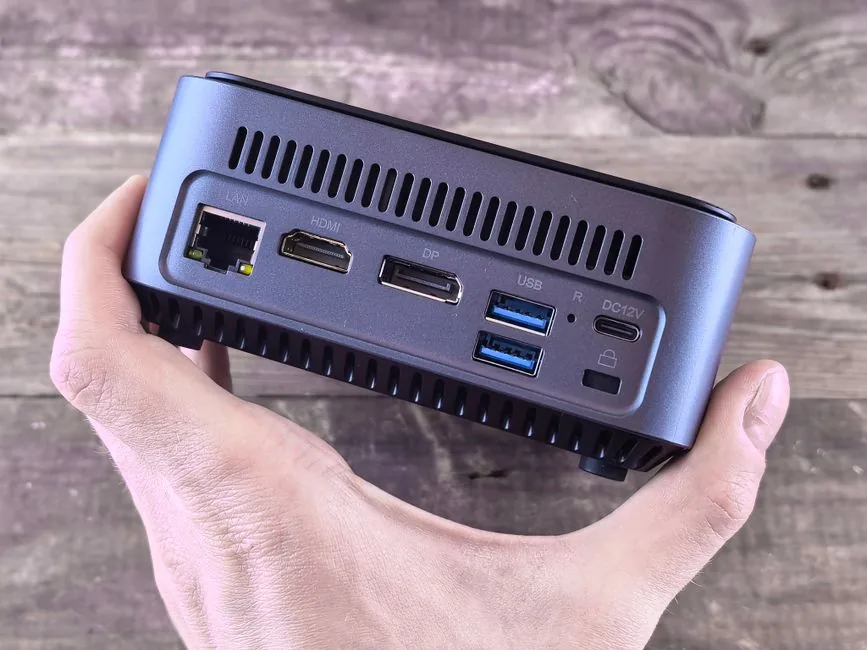
Boiling it down, whether a mini itx gaming build is worth it comes down to three questions. Do you need the desk space? Do you move the PC often? Are you willing to pay $150 to $250 more and spend an extra hour assembling it?
If you answered yes to the first two, the answer is almost certainly yes. Modern SFF cases, short graphics cards, and mature ITX boards have removed the old performance penalty. You no longer sacrifice speed for size — only money and assembly time.
One more factor tips the scales for many builders: resale value. Compact PCs hold their value well because they serve a specific group of buyers, from dorm students to living-room gamers. That softens the upfront premium over time.
If you are still weighing size against cost, compare this against our how much does it cost to build a 4k gaming pc breakdown to see how the numbers shift at higher budgets.
Frequently Asked Questions
Is a mini ITX gaming build worth it for 4K gaming?
Yes, with the right GPU. The case size does not limit resolution; a compact build with an RTX 5080 or RX 9070 XT drives 4K just as well as a mid-tower. What changes is heat, so you need a case with good airflow and enough GPU length clearance. If 4K is your goal, check how much does it cost to build a 4k gaming pc.
Do Mini-ITX PCs overheat?
Generally no, if you pick the right case and cooler. Modern mesh-front ITX cases with a 240mm AIO or a capable low-profile cooler keep even 105W-class CPUs within safe temperatures. Expect a few degrees warmer than a mid-tower, which is normal and harmless.
Is a mini ITX gaming build worth it for beginners?
It can be done, but a mid-tower or Micro-ATX build is easier for a first timer. The cramped layout and specific assembly order add difficulty. If you enjoy careful, methodical assembly, you will be fine; if you want simple, start with a standard case.
What is the biggest downside of Mini-ITX?
Cost and upgradability. You pay a $150 to $250 premium for ITX-specific parts, and a single expansion slot limits add-in cards. Two RAM slots also cap you at 2 DIMMs, though 32GB is plenty for gaming today.
What GPU length fits a Mini-ITX case?
It depends on the case. Many SFF cases accept cards up to 300mm or more, while ultra-compact cases may cap out near 250mm. Always check the case’s maximum GPU length and thickness before buying, and prefer dual-fan or two-slot cards.
The Bottom Line
So, is a mini itx gaming build worth it? If space, portability, or clean aesthetics rank high on your list, absolutely — the extra $150 to $250 buys you a genuinely small, quiet PC with full desktop performance. If you are purely chasing frames per dollar and the tower lives out of sight, a standard mid-tower remains the better value.
Start by writing out your part list and checking current case dimensions against your chosen GPU. For realistic cost numbers across build tiers, run through our breakdown of how much does it cost to build a 4k gaming pc, then cross-reference GPU sizes at NVIDIA’s GeForce page.