Ryzen 7 9800X3D Gaming PC Build: 2026 Parts List & Cost
The Ryzen 7 9800X3D is widely regarded as the best gaming CPU on the planet in 2026, and a Ryzen 7 9800X3D gaming PC build built around it will deliver elite frame rates for years. Thanks to AMD’s second-generation 3D V-Cache, the 9800X3D produces class-leading 1% lows and average frame rates that routinely beat far more expensive chips in CPU-bound titles. This guide lays out a complete, balanced parts list, explains each choice, and totals the cost of a flagship Ryzen 7 9800X3D gaming PC build.
Why the 9800X3D Is the Gaming King
The Ryzen 7 9800X3D pairs 8 Zen 5 cores with 96MB of 3D V-Cache stacked directly beneath the compute die. The result is dramatically better performance in games that love cache — simulators, MMOs, strategy titles, and competitive shooters all see big gains. The second-generation design also fixes the first-gen 7800X3D’s thermal constraints, allowing higher boost clocks and full overclocking support.
In testing, the 9800X3D routinely posts the highest average and 1% low frame rates of any consumer CPU, often 15-25% ahead of Intel’s Core Ultra 9 285K in gaming workloads. If you want the smoothest possible experience at 1080p or 1440p high-refresh, this is the chip. Full specifications and official details are on AMD’s Ryzen 7 9800X3D product page.
Choosing the GPU: Balance for Your Resolution
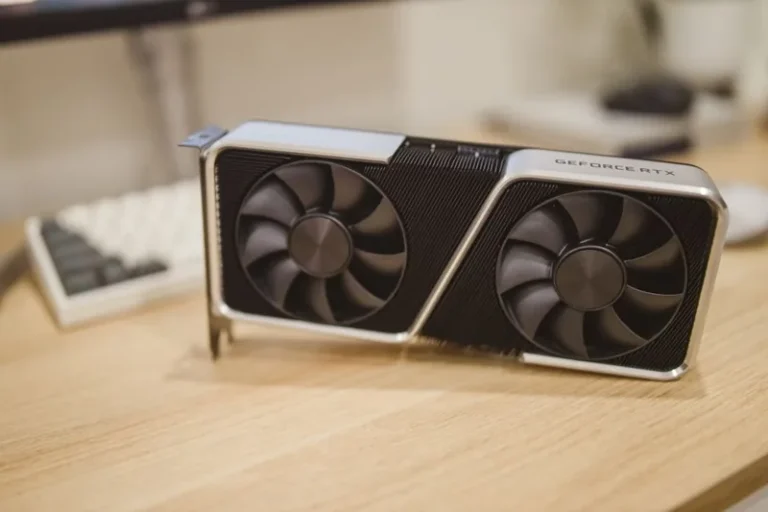
A Ryzen 7 9800X3D gaming PC build deserves a GPU that won’t hold it back. At 1440p, the RX 9070 XT or RTX 5070 Ti are the sweet spot, while 4K builders should look at the RTX 5080 or RX 9070 XT with upscaling. The 9800X3D is so fast that it can feed even a flagship GPU at 1080p without bottlenecking, which is exactly why esports players pair it with cards like the RTX 5070 Ti and a 360Hz monitor.
For help picking the right card, see our best graphics card for gaming 2026 guide and the RX 9070 XT vs RTX 5070 Ti head-to-head.
Memory: DDR5-6000 CL30 Is Mandatory
The 9800X3D’s memory controller runs optimally at DDR5-6000 with CL30 latency, where the Infinity Fabric stays in 1:1 sync. Slower or faster kits both leave performance on the table. Go with 32GB (2x16GB) as the baseline — 16GB is now tight for gaming plus background apps, and 32GB gives comfortable headroom for streaming and multitasking. Keep two DIMM slots populated for dual-channel; a single stick halves your bandwidth and tanks frame rates.
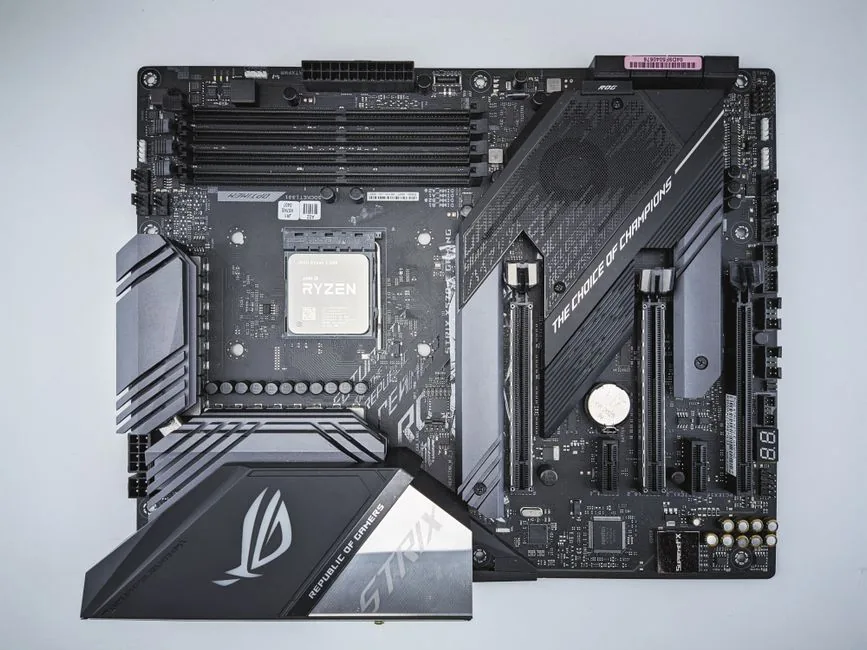
Motherboard and Platform
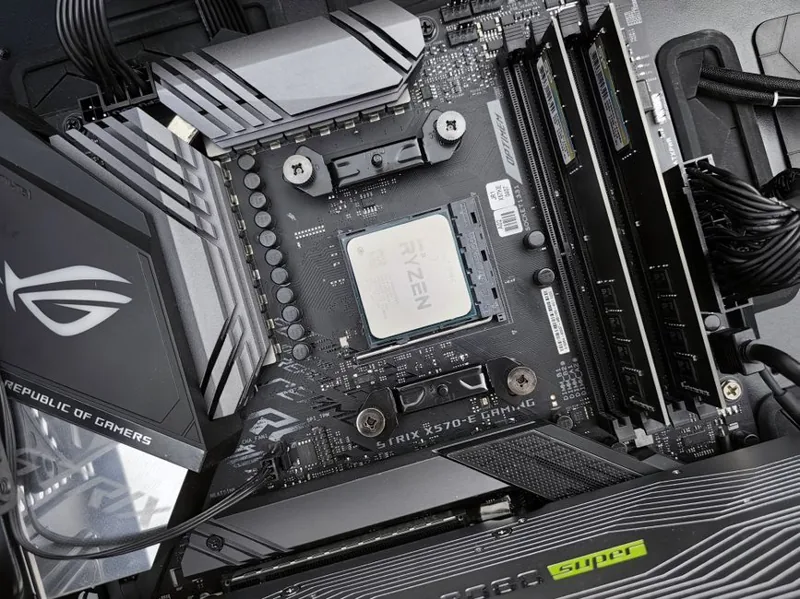
The AM5 platform gives you genuine longevity. A quality B650E or X670 motherboard around $200-280 provides PCIe 5.0 for future GPUs and solid power delivery for the 9800X3D. There’s no need to spend $400+ on a flagship board — the 9800X3D is efficient enough that even a mid-range B650E handles it easily, including overclocking. Do confirm the board ships with a BIOS that supports 9000-series X3D chips, or budget for a USB BIOS-flashback update before first boot.
Cooling: An Air Cooler Will Do
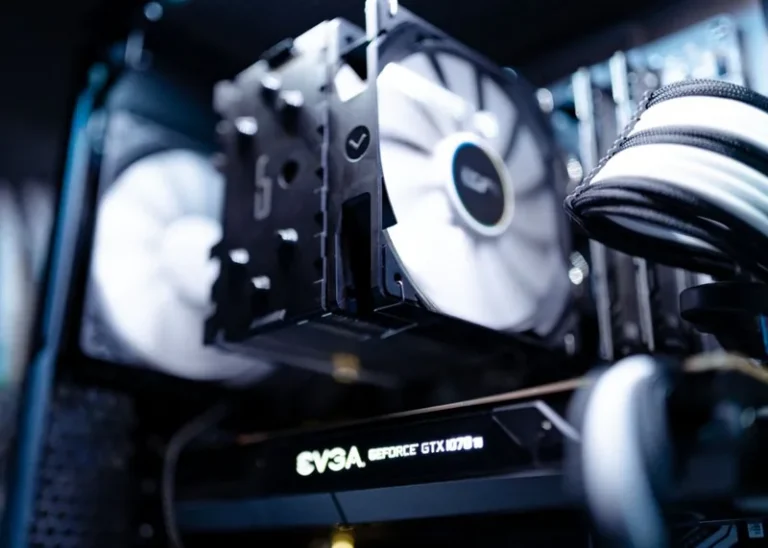
Unlike the 7800X3D, the 9800X3D’s redesigned cache placement means it cools like a normal high-end CPU. A quality dual-tower air cooler like the Thermalright Peerless Assassin ($40) or a 240mm AIO ($90) keeps it well under control even under all-core loads. Skip the 360mm AIO unless you’re chasing maximum overclocks — it’s simply not needed.
Power Supply and Efficiency
The 9800X3D is remarkably efficient, drawing around 120W at stock and rarely exceeding that even under load. Paired with a 300W-class GPU, an 850W 80+ Gold unit gives you comfortable headroom for transients and future upgrades. A 750W unit works if you’re budget-constrained, but the 850W recommendation leaves room to drop in a hungrier GPU later without replacing the PSU. For more on sizing, see our best power supply for gaming PC guide.
Overclocking and Tuning
One of the biggest upgrades over the 7800X3D is that the 9800X3D is fully unlocked. The redesigned 3D V-Cache no longer sits on top of the compute die blocking heat transfer, so you can push clocks meaningfully without the thermal wall the first-gen X3D chips hit. A simple PBO (Precision Boost Overdrive) enable and a curve optimizer of -20 or so on all cores is the modern equivalent of “free performance” — it typically nets a few extra percent in games with zero stability risk.
If you’re not comfortable tuning, don’t worry: the 9800X3D at stock already tops every gaming benchmark that matters. Overclocking here is a bonus, not a necessity.
Full Ryzen 7 9800X3D Gaming PC Build Parts List
Here’s a complete, price-checked configuration for a flagship Ryzen 7 9800X3D gaming PC build in 2026.
| Component | Recommended Part | Est. Price (USD) |
|---|---|---|
| CPU | AMD Ryzen 7 9800X3D | $479 |
| GPU | AMD Radeon RX 9070 XT (16GB) | $599 |
| Motherboard | B650E ATX (AM5, PCIe 5.0) | $229 |
| Memory | 32GB (2x16GB) DDR5-6000 CL30 | $99 |
| Storage | 2TB PCIe Gen4 NVMe SSD | $119 |
| Power Supply | 850W 80+ Gold, ATX 3.0 | $119 |
| CPU Cooler | 240mm AIO liquid cooler | $89 |
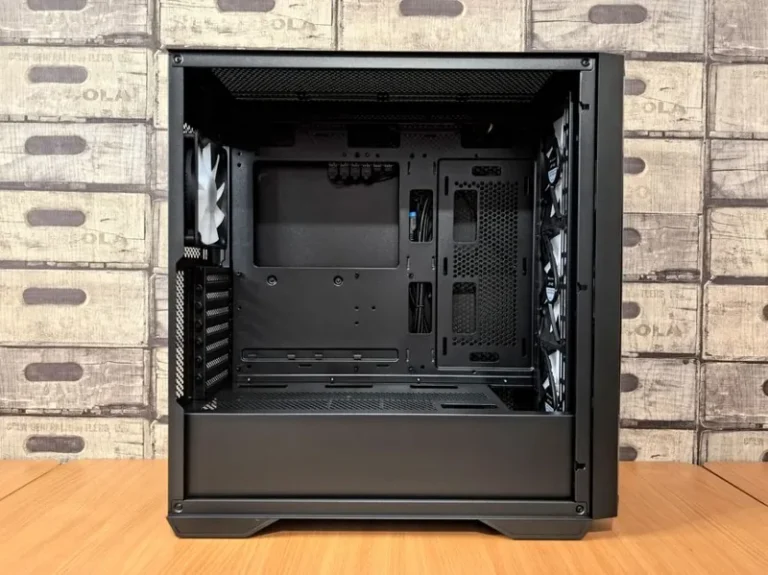
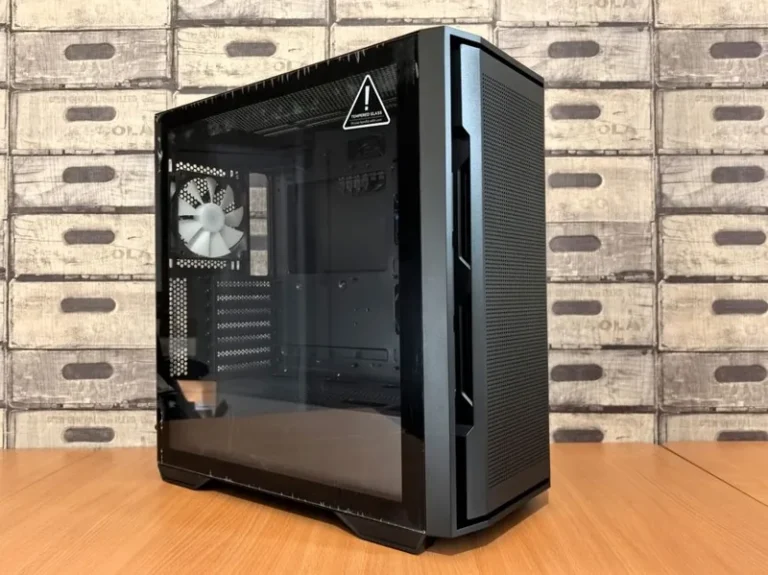
| Case | Mid-tower ATX, mesh front | $99 |
| Total | ~$1,832 |
This lands in the $1,800 range — flagship CPU performance without flagship-GPU pricing. Swap the RX 9070 XT for an RTX 5080 and you’ll cross $2,100, but for 1440p the 9070 XT is the smarter value.
Expected Performance
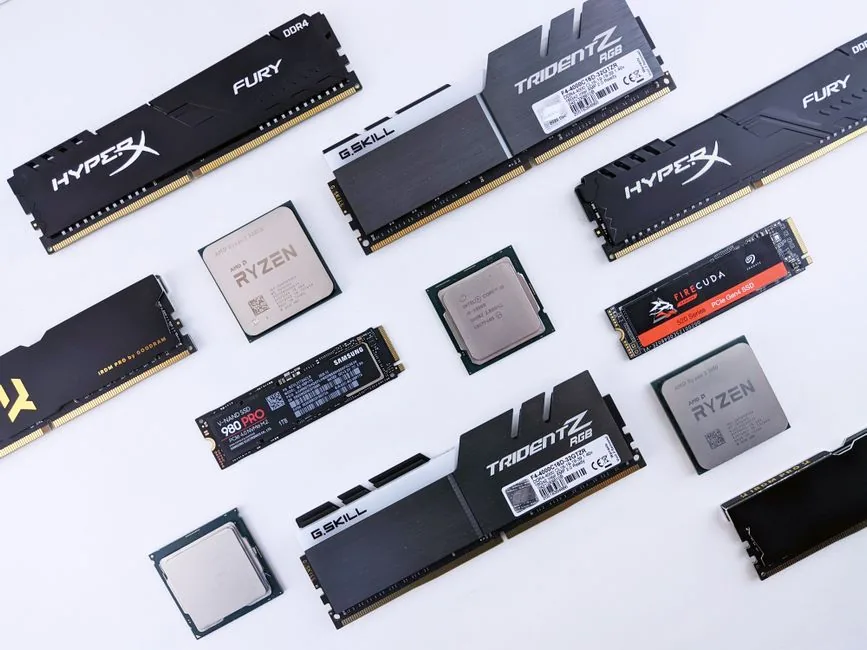
With this exact build, expect 150+ fps in competitive titles like Valorant, CS2, and Fortnite at 1440p, and 100-130 fps in demanding single-player games at 1440p ultra. At 4K, FSR 4 or DLSS upscaling keeps most games above 80 fps. The 9800X3D’s real superpower is smoothness — its 1% lows stay high, so gameplay feels buttery even in chaotic moments. Reviewers at Tom’s Hardware publish detailed game-by-game CPU benchmarks if you want to see exactly where it leads.
Streaming and Multitasking
The 9800X3D is a gaming-first chip, but its 8 Zen 5 cores are no slouch for productivity. It handles game streaming via software encoding comfortably, and paired with an NVIDIA GPU you can offload encoding to NVENC entirely. If your workload skews heavily toward rendering or video editing, a 12- or 16-core chip makes more sense, but for the gamer who occasionally edits or streams, the 9800X3D is more than sufficient.
Upgrade Path and Longevity
This AM5 platform will accept future Ryzen X3D chips, and the PCIe 5.0 slot means your next GPU upgrade is a simple swap. The 850W power supply and B650E board give you headroom to grow. In short, a Ryzen 7 9800X3D gaming PC build is a five-year machine that only needs a GPU refresh to stay current. For more on balancing components, see our how much RAM for a gaming PC and best CPU for gaming 2026 guides.
7800X3D vs 9800X3D: Is the New Chip Worth It?
If you already own a 7800X3D, the honest answer is that upgrading to the 9800X3D is rarely worth it — the performance gain is real but modest, and the 7800X3D is still a top-five gaming CPU. But if you’re building fresh in 2026, the 9800X3D is the clear choice: it costs only about $80-100 more, adds roughly 10-15% performance, unlocks overclocking, and runs cooler thanks to the redesigned cache.
The decision changes if you find a heavily discounted 7800X3D. At a $150 gap, the older chip becomes the value play, since it still delivers outstanding frame rates. But for a no-compromises new build, the 9800X3D is the chip to spec.
FAQ
Is the Ryzen 7 9800X3D worth it over the 7800X3D?
Yes, if you’re buying new. The 9800X3D adds roughly 10-15% gaming performance, full overclocking, and better thermals for about $100 more. If you already own a 7800X3D, upgrading is rarely worth it.
What GPU pairs best with the 9800X3D?
At 1440p, the RX 9070 XT or RTX 5070 Ti are ideal. At 4K, step up to the RTX 5080. The CPU is fast enough to feed any current GPU without bottlenecking.
Does the 9800X3D need a liquid cooler?
No. A $40 dual-tower air cooler is sufficient, though a 240mm AIO keeps it quieter under sustained load.
How much does a Ryzen 7 9800X3D gaming PC build cost?
Around $1,800 for a balanced build as listed above, ranging from $1,500 with budget tweaks to $2,200+ with a flagship GPU.
Final Verdict
The Ryzen 7 9800X3D gaming PC build outlined here is, in my assessment, the best all-around high-end gaming system you can assemble in 2026. The CPU is untouchable in gaming, the AM5 platform is future-proof, and the total cost stays reasonable relative to the performance on offer. If you want the smoothest, most responsive gaming experience money can buy without overspending, this is the build to copy.