DDR4 vs DDR5 Gaming: Which RAM Is Right for Your PC?
The DDR4 vs DDR5 gaming debate is one of the first questions builders hit when speccing a new PC in 2026. DDR5 has been out for a few years now, and prices have finally dropped to the point where it is no longer an automatic no. At the same time, DDR4 kits are cheaper than ever, and for some budget builds they still make more sense.
The short answer is that DDR5 is faster and is now the clear default for any new build, while DDR4 remains a sensible way to save money on older platforms or strict budgets. The longer answer depends on your CPU, your motherboard, and what kind of gaming you do, because the two standards are not interchangeable and the real-world FPS difference is smaller than the marketing suggests.
This guide breaks down the real differences in speed, latency, price, and gaming performance, so you can pick the right memory without overpaying.
DDR4 vs DDR5: What Actually Changed
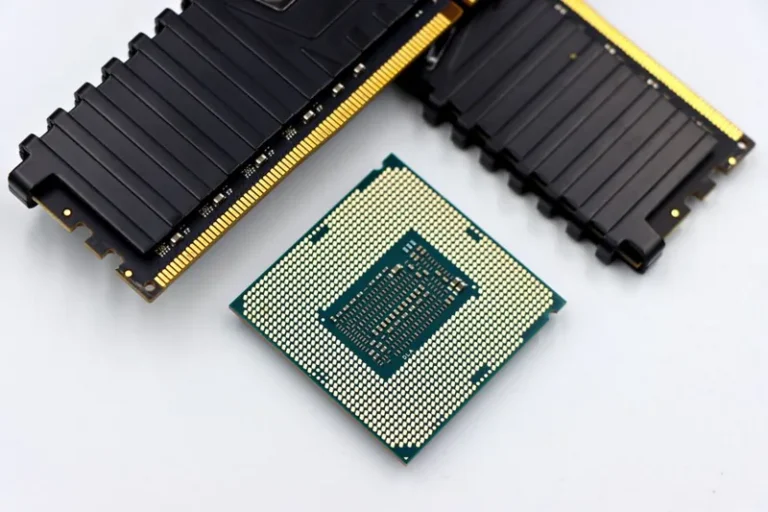
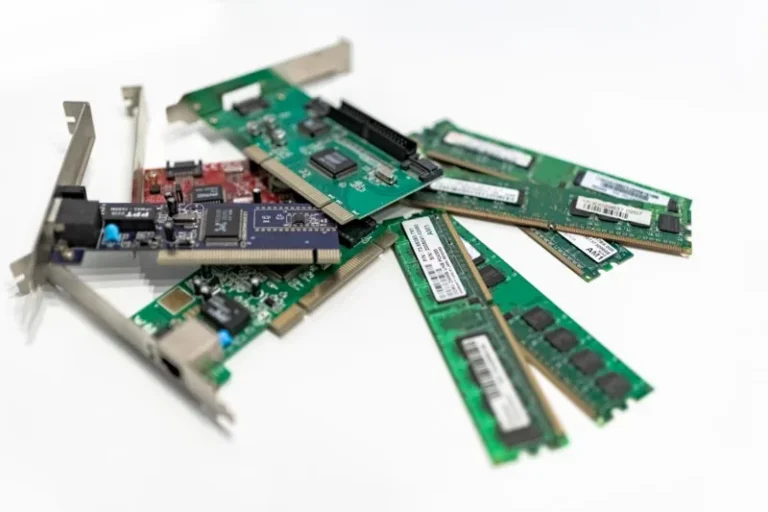
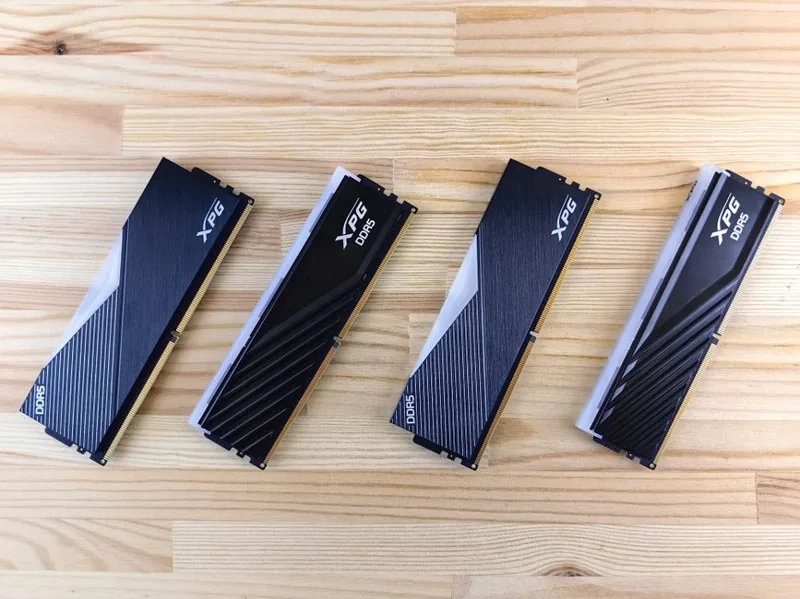
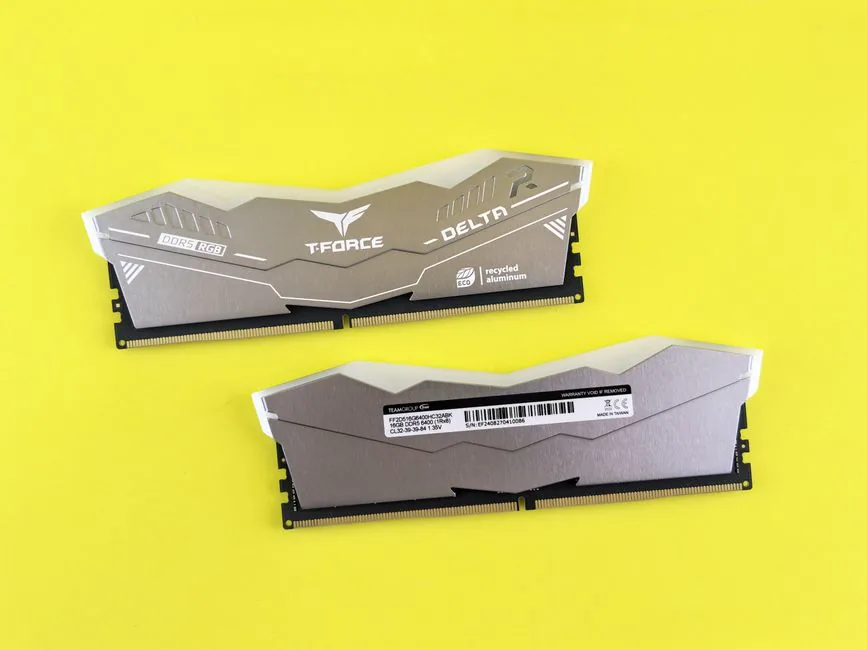
DDR5 is not just a faster version of DDR4. It is a different standard with a different physical design, and it only works in motherboards built for it.
Speed and Bandwidth
DDR4 tops out around 3200 MT/s for most kits, with 3600 MT/s being the popular enthusiast sweet spot. DDR5 starts at 4800 MT/s and commonly runs at 5600 to 6400 MT/s, with high-end kits pushing 7200 MT/s and beyond. That raw bandwidth means DDR5 can move roughly 50 to 80% more data per second than typical DDR4.
Latency
DDR4 has an advantage in raw latency. A typical DDR4-3600 CL16 kit has lower absolute latency than DDR5-6000 CL36. In practice, DDR5’s much higher bandwidth usually outweighs the looser timings for gaming, but the difference is not as large as the speed numbers alone suggest.
Architecture and Power
DDR5 moves power management onto the module itself and doubles the burst length, which improves efficiency at high speed. It also runs at a lower voltage, 1.1V versus 1.2V for DDR4, though overclocked kits of both will run higher.
DDR4 vs DDR5 Gaming: Real-World Performance
In games, the gap between DDR4 and DDR5 is modest but real. In CPU-bound scenarios at 1080p, a fast DDR5 kit can add anywhere from 3% to 12% more FPS compared to a mid-range DDR4 kit, depending on the title and the processor. At higher resolutions where the GPU becomes the limit, the difference shrinks to nearly nothing.
The effect is most visible with frame pacing and 1% lows. DDR5 tends to produce smoother frame times and fewer micro-stutters, which many players feel more than a higher average FPS number. For competitive players chasing every frame at 1080p, DDR5 is worth the small premium.
DDR4 vs DDR5 Gaming Comparison Table
| Feature | DDR4 | DDR5 |
|---|---|---|
| Typical speed | 3200–3600 MT/s | 5600–6400 MT/s |
| Common latency | CL16–CL18 | CL30–CL36 |
| Voltage | 1.2V | 1.1V |
| 16 GB kit price (2026) | $30–$45 | $55–$80 |
| 32 GB kit price (2026) | $55–$75 | $90–$140 |
| Gaming FPS gain (1080p) | Baseline | +3% to +12% |
| 1% lows / smoothness | Good | Noticeably better |
| Motherboard support | AM4, older Intel | AM5, newer Intel |
| On-die ECC | No | Yes |
| Best for | Budget builds, upgrades | New builds, high refresh |
How Much Does DDR4 vs DDR5 Actually Cost?
Price was the biggest reason to avoid DDR5 when it launched, but that has changed. A 16 GB kit of DDR4-3200 now runs about $30 to $45, while a 16 GB DDR5-5600 kit costs roughly $55 to $80. At 32 GB, DDR4 lands around $55 to $75 and DDR5 between $90 and $140.
The real cost difference is often the platform, not the RAM. DDR5 requires a newer motherboard and, in most cases, a newer CPU. So if you are on an older AM4 or LGA1700 system that only supports DDR4, jumping to DDR5 means buying a new motherboard and processor too, which can add $250 to $400 to the total.
If you are building new, the motherboard price gap between comparable DDR4 and DDR5 boards has narrowed to the point where DDR5 is the better long-term call. If you are upgrading an existing DDR4 system, adding faster or higher-capacity DDR4 is usually the smarter, cheaper move.
When DDR4 Still Makes Sense in 2026
DDR4 is not dead, and it still wins in specific situations.
- Tight budgets. A $500 to $700 gaming PC saves $30 to $50 by going DDR4, and that money can go toward a better GPU, which affects FPS far more than RAM.
- AM4 upgrades. If you have a Ryzen 5000 system, DDR4 is your only option anyway. A cheap 32 GB DDR4-3600 kit can breathe new life into the whole build.
- Older Intel platforms. LGA1700 boards that take DDR4 are still plentiful and cheap on the used market.
If you are pairing memory with a new CPU, check our best budget CPU for gaming guide, where most of the modern picks run on DDR5 platforms.
When DDR5 Is the Clear Choice
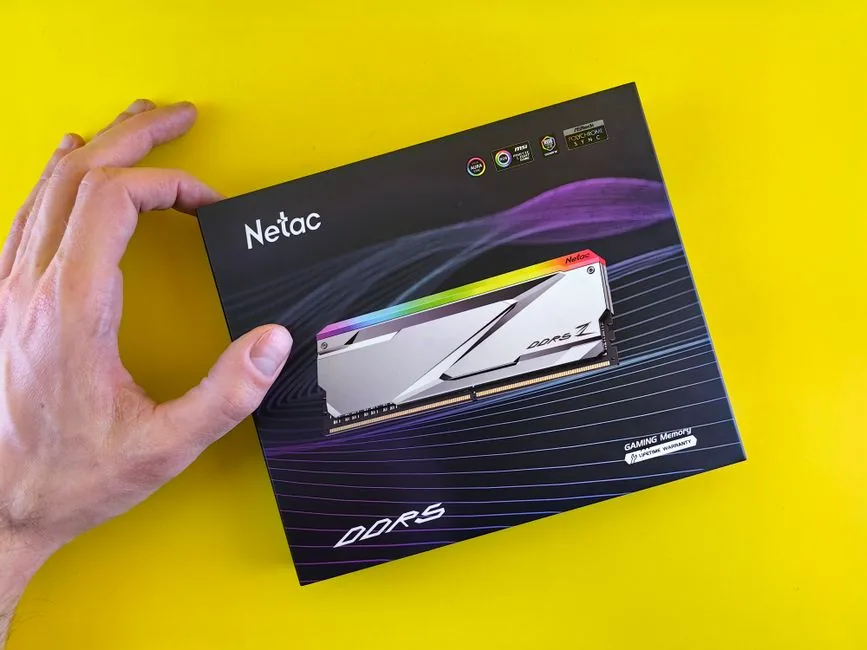
DDR5 is the right pick when you are starting fresh. It costs a bit more, but it delivers higher bandwidth, better 1% lows, on-die error correction, and a clear upgrade path. AM5 and Intel’s newer sockets are DDR5-only, so choosing DDR5 today means your memory will carry forward to future CPU upgrades.
DDR5 also matters more for work beyond gaming: video editing, streaming while gaming, and any heavy multitasking benefit noticeably from the extra bandwidth. If you stream or create content, the premium is easy to justify.
Related Guides
For independent benchmarks and reviews, see the latest hardware testing.
Frequently Asked Questions
Is DDR5 worth it over DDR4 for gaming?
For a new build, yes. DDR5 costs a modest premium and delivers higher bandwidth, smoother frame times, and a better upgrade path. The FPS gain is modest at high resolutions but more noticeable at 1080p.
Can I use DDR5 in a DDR4 motherboard?
No. DDR4 and DDR5 are physically and electrically different. A DDR5 stick will not fit in a DDR4 slot, and the two standards cannot be mixed.
How much faster is DDR5 than DDR4 in games?
At 1080p in CPU-bound scenarios, DDR5 typically adds 3% to 12% FPS over DDR4. At 1440p and 4K, where the GPU is the bottleneck, the difference is often under 5%.
Is 32 GB of RAM worth it for gaming?
For most games, 16 GB is still enough, but 32 GB is becoming the sweet spot for 2026 titles, streaming, and future-proofing. DDR5 makes the jump to 32 GB more affordable than it used to be.
What DDR5 speed is best for gaming?
6000 MT/s with CL30 timings is widely considered the sweet spot for value and stability on both AMD AM5 and modern Intel platforms.
Conclusion
In the DDR4 vs DDR5 gaming decision, the answer for 2026 is clear for new builds: go DDR5. It is faster, smoother, and no longer carries a painful price premium. DDR4 is still the smart choice when you are on a budget or upgrading an existing AM4 or older Intel system, because the platform swap required for DDR5 costs far more than the RAM itself.
Match your memory to your whole build rather than buying the biggest number on the box. If a new GPU is also on your list, our guide on when to upgrade your graphics card will help you time both purchases, and our best graphics card for 1440p gaming roundup covers the cards that pair well with fast DDR5.