Are Small Form Factor Computers Good in 2026? Honest Verdict for Gaming & Work
If you have been asking yourself “are small form factor computers good,” the answer is a firm yes for most people in 2026, with a few well-defined exceptions. The days when a tiny desktop meant soldered laptop parts and crippled performance are long gone, and modern mini-ITX hardware now delivers genuine desktop speed in a box that sits beside your monitor instead of under the desk. But “good” depends entirely on what you plan to do with it, so this guide separates the cases where a small form factor computer is the smartest choice from the ones where a mid-tower still makes more sense.
Are Small Form Factor Computers Good for Gaming?
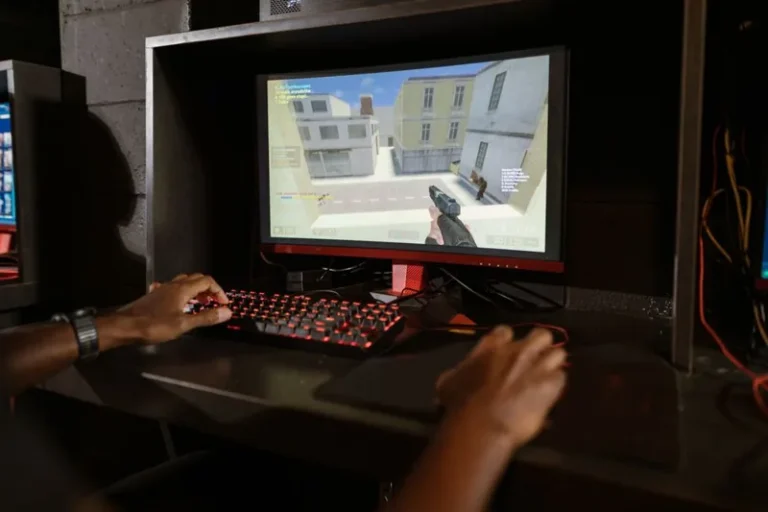
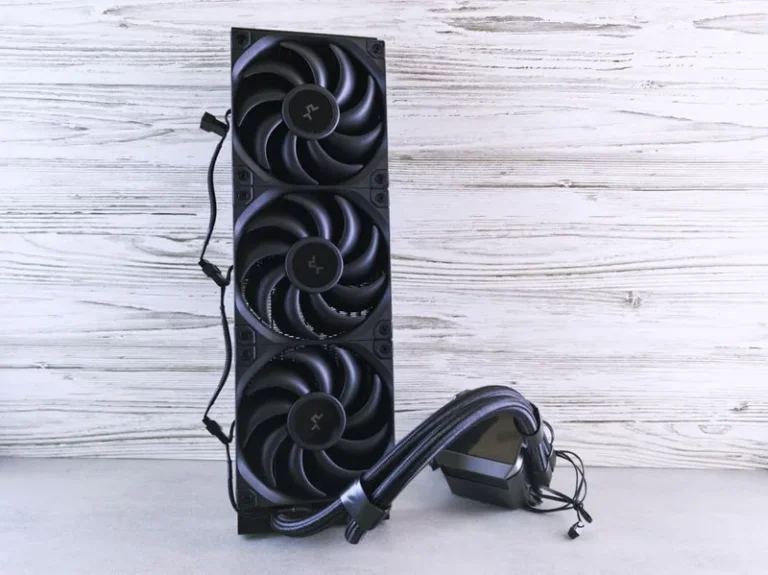
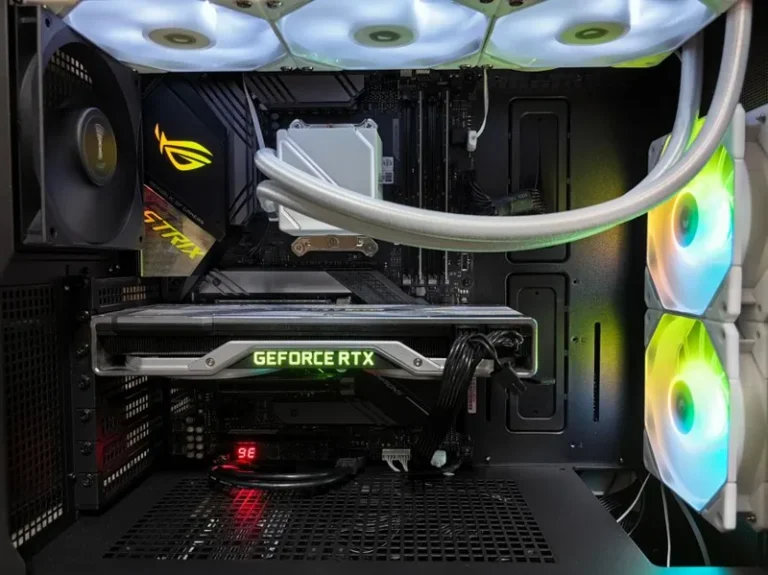
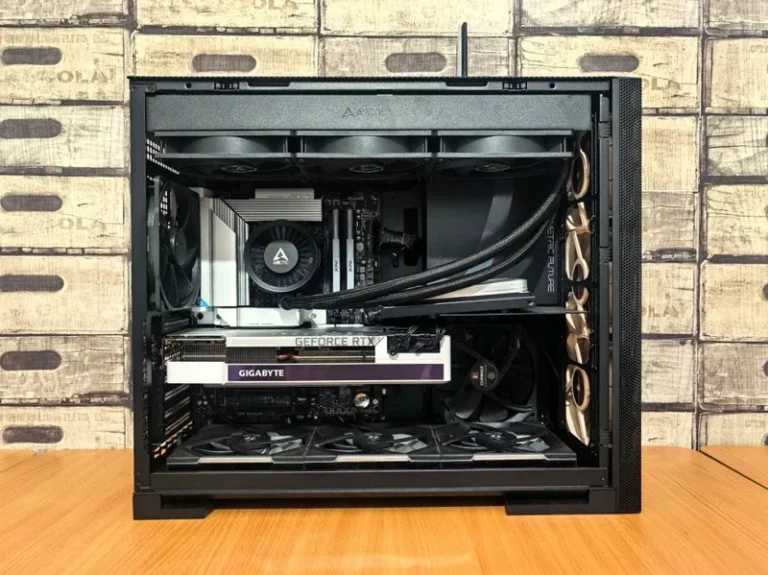
For gaming specifically, a small form factor computer is good enough to be a primary rig in 2026, and that is a recent development. A modern compact build around an AMD Ryzen 7 7800X3D and an RTX 5070 delivers essentially the same 1440p frame rates as an equivalent mid-tower, because the components are identical — the only change is the case and the smaller motherboard and power supply they plug into. The meaningful limits arrive at the very top of the stack: cards like the RTX 5090 are physically too large for sub-15-liter enclosures, and a 16-core flagship CPU is hard to cool in a box that cannot fit a 360mm radiator. For 1080p and 1440p high-refresh gaming, though, the answer to “are small form factor computers good” is yes without caveats.
Are Small Form Factor Computers Good for Everyday Work and Productivity?
They are excellent for nearly all daily workloads. Web browsing, office suites, coding, and light photo editing barely stress a compact desktop, and the fact that these machines use standard socketed parts means you are not trading away the upgrade path the way you would with an all-in-one or a thin laptop. Where they fall short is sustained heavy load over many hours — 3D rendering, video encoding, or long software compiles push thermals and fan noise higher than a roomy case would. For those jobs a compact mid-tower with better airflow is the more comfortable tool, but for roughly 90% of home and office use a small form factor machine is more than good enough. A modern compact desktop juggles a dozen browser tabs, a video call, and document work simultaneously without spinning its fans audibly, and it does not throttle through short bursts of heavier work the way a thin-and-light laptop inevitably does.
The Three Real Tradeoffs Nobody Mentions
Beyond performance, there are three honest compromises that decide whether a compact machine fits your life. First is expansion: with a mini-ITX board you get a single PCIe slot, so adding a capture card, a 10GbE NIC, or a discrete sound card is off the table. Second is storage count, since many small cases hold only one or two drives unless you drop to 2.5-inch bays. Third is build friction, because cable routing in a shoebox takes patience and a specific assembly order. None of these matter to a gamer or student, but they are worth knowing before you commit instead of discovering them mid-build.
Who Should (and Shouldn’t) Buy a Small Form Factor Computer
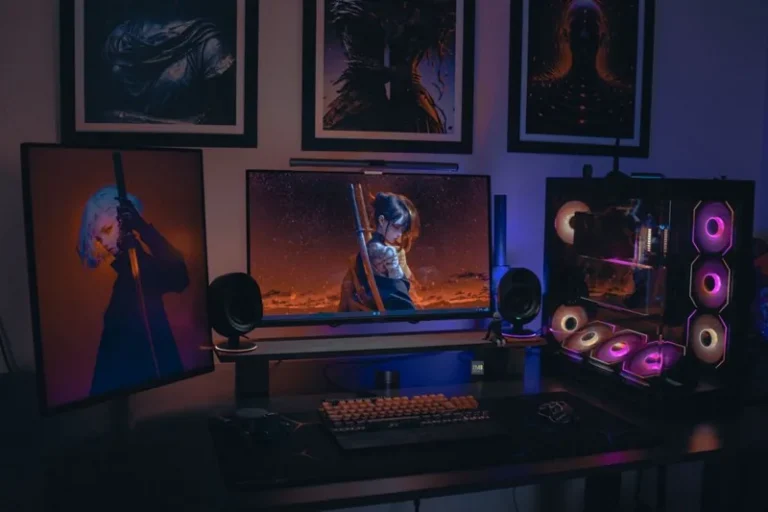
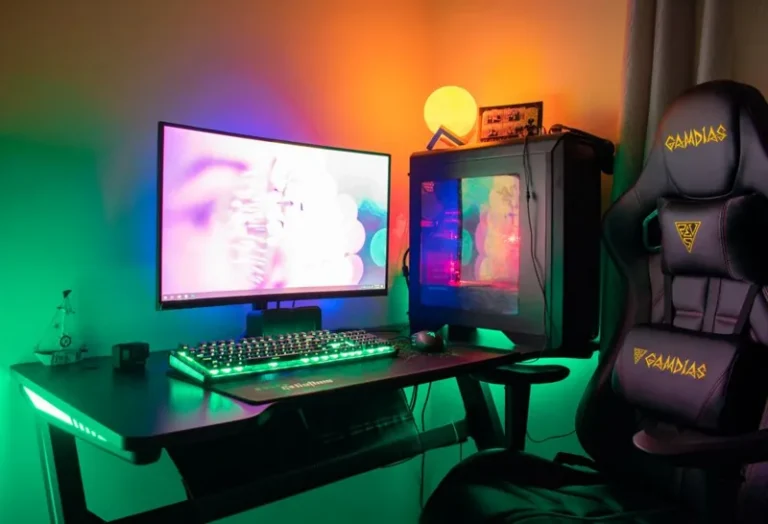
The best candidates are living-room and desk-space setups, dorm rooms, frequent movers, and anyone who values a clean, silent aesthetic over raw expandability. A compact machine also makes a superb second PC or media server because it tucks out of sight entirely. You should think twice if you run a workstation load, plan to stack multiple graphics cards or many drives, or simply want the easiest possible first-time build with zero cable-routing stress. Our best gaming PC build 2026 guide lays out a traditional mid-tower option if you land on the “shouldn’t” side of that line.
Thermals and Noise: What to Realistically Expect
A well-planned small form factor computer is quiet at idle and under gaming load, but not as effortlessly cool as a big airy tower. The winning formula is negative pressure — more exhaust airflow than intake — plus a low-profile or 240mm AIO cooler for the CPU, which keeps fans spinning slowly and avoids the high-pitched whine of a tiny cooler working hard. If silence is your top priority, compare our best power supply for gaming PC pick as well, because a quality SFX unit contributes less coil whine and fan noise than a budget one.
Small Form Factor vs Mid-Tower: What the Extra Cost Buys
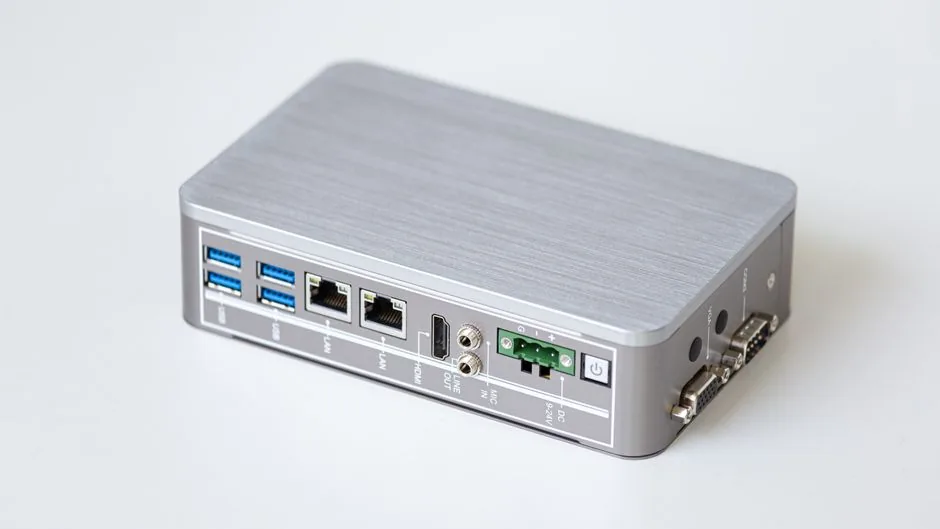
The clearest downside of a compact computer is the price: the same performance costs roughly $100 to $200 more once you account for the pricier mini-ITX board and SFX power supply. The table below summarizes the tradeoffs at a glance.
| Factor | Mid-Tower | Small Form Factor |
|---|---|---|
| Typical build cost | Baseline | $100-200 premium |
| Largest GPU that fits | RTX 5090 | RTX 5080 / RX 9070 XT |
| PCIe expansion slots | 3 to 7 | 1 |
| Drive bays | 4 to 6 | 1 to 2 |
| Max CPU cooling | 360mm AIO | 240mm AIO or low-profile |
That premium buys a machine a fraction of the physical size, and for most people the three things you actually give up are a second PCIe slot, extra drive bays, and the option of an airy 360mm radiator — none of which matter for a single-GPU gaming or office build.
Are Small Form Factor Computers Good Long-Term?
For longevity the answer is reassuring. Because a modern compact build still uses socketed desktop parts and a standard power supply, its most important upgrades — a new CPU, more memory, or a faster M.2 drive — drop in exactly as they would on a full-size board. Genuine longevity limits are the max GPU length your case allows and how much storage you can physically mount, so the smart move is to buy a slightly larger 15-18 liter enclosure that accepts full-size cards from the start. Long-term reliability testing from outlets like PC Gamer and Tom’s Hardware confirms that thermals, not the form factor itself, are what determine whether a compact machine lasts a quiet decade or throttles early.
FAQ
Are small form factor computers good for gaming in 2026?
Yes. With standard socketed parts like a 7800X3D and an RTX 5070, a compact build matches mid-tower performance at 1440p, only losing out when you want the largest flagship GPUs that do not physically fit.
Do small form factor computers overheat more than mid-towers?
They run warmer, but a negative-pressure fan setup or a 240mm AIO keeps efficient CPUs well within safe range. Overheating is a sign of poor airflow planning, not an inherent SFF flaw.
Are small form factor computers harder to upgrade?
Slightly. The motherboard and case limit you to one GPU, fewer drives, and often smaller power supplies, but the core upgrades — CPU, RAM, and an M.2 drive — are just as simple as on a full-size board.
Is a small form factor computer good for a first-time builder?
It can be, but a mid-tower is friendlier. If you go SFF for your first build, pick a 10-15 liter mesh case, assemble the board outside the case, and test before closing it up.
Final Verdict
So, are small form factor computers good? In 2026 the honest answer is that they are good enough to be a primary machine for almost everyone except hardcore workstation users and people who crave constant expansion. Performance, upgradeability, and silence have all closed the gap with larger builds, and the only lasting costs are a slightly higher price tag and a little extra patience during the build. If desk space, portability, or a clean aesthetic matter to you, a compact desktop is no longer a compromise — it is simply the right tool. For the modern desk, small has stopped meaning weak and now simply means tidy.