Small Form Factor Gaming PC: 2026 Parts List, Build Guide & Thermals
A small form factor gaming PC squeezes genuine desktop-class frame rates into a case you can tuck on a bookshelf or beside a TV stand. Five years ago that nearly always meant a performance tax; in 2026, mini-ITX boards, compact SFX power supplies, and smarter case layouts have closed most of the gap, so a small form factor gaming pc can now drive 1440p high-refresh gaming without sounding like a jet engine. This guide walks through the best parts for a 2026 SFF build, covers the cooling and cable-management realities, and is honest about what you still give up compared with a mid-tower.
What Is a Small Form Factor Gaming PC?
A small form factor gaming pc is broadly any gaming desktop built around a case well under 20 liters in volume, most often using a mini-ITX motherboard and an SFX or SFX-L power supply. The classic templates are the shoebox-style enclosure like the Cooler Master NR200, the slim console-style case such as the Fractal Design Ridge, and the sub-10-liter sandwich layout that mounts the graphics card behind the motherboard with a riser cable. All three chase the same goal: the least desk footprint for the most frames, which is why SFF has become a favorite for living-room builds and LAN setups rather than just a niche enthusiast flex.
Small Form Factor Gaming PC Parts List for 2026
Below is a balanced $1,400 build that targets 1440p gaming at high settings while staying easy to cool inside a 10-15 liter enclosure. Every part below fits the compact footprint rather than forcing you to mod the case.
| Component | Recommended Part | Est. Price (USD) |
|---|---|---|
| CPU | AMD Ryzen 7 7800X3D | $349 |
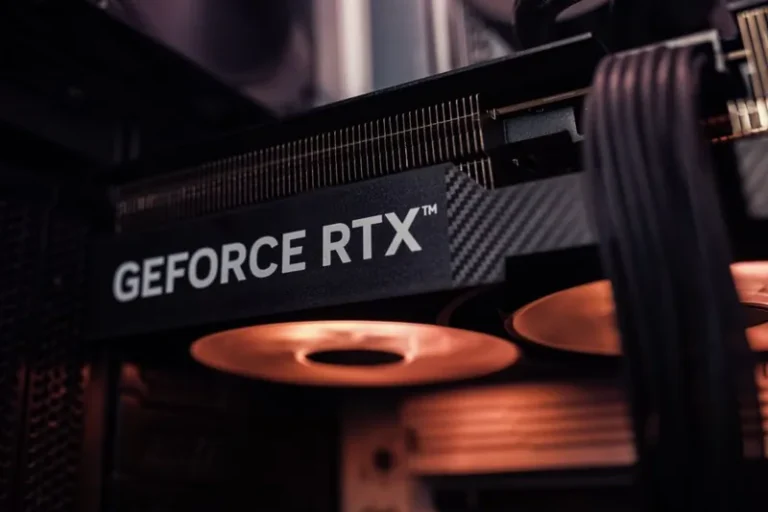
| GPU | NVIDIA GeForce RTX 5070 (12GB) | $549 |
| Motherboard | B650I / B850I mini-ITX (AM5) | $219 |
| Memory | 32GB (2x16GB) DDR5-6000 CL30 | $89 |
| Storage | 2TB PCIe Gen4 NVMe SSD | $119 |
| Power Supply | 750W 80+ Platinum SFX | $139 |
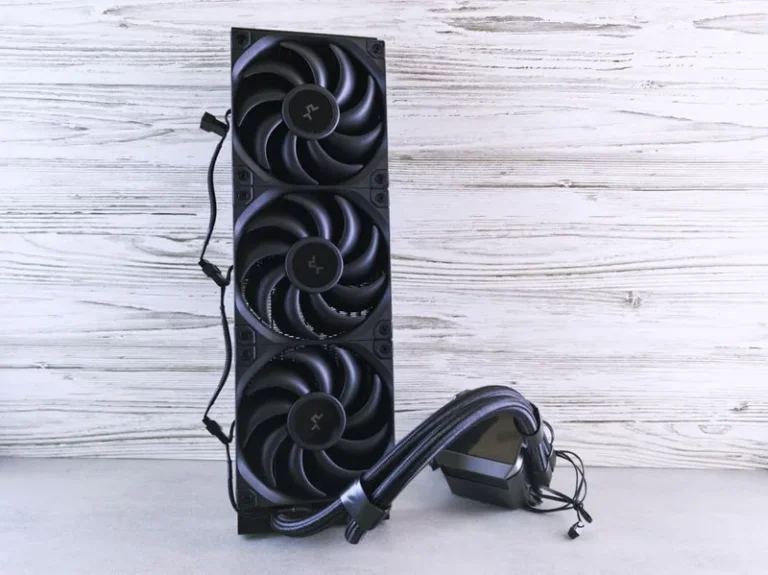
| CPU Cooler | Low-profile air cooler or 240mm AIO | $59 |
| Case | 10-15L mini-ITX with mesh panels | $99 |
| Total | ~$1,622 |
The GPU is the part that dictates your case shortlist. A dual-slot card up to around 300mm long fits most sandwich layouts, while triple-fan cards over 320mm force you up into larger enclosures. For help matching the card to your resolution, see our best GPU for gaming price to performance guide.
Cooling a Small Form Factor Gaming PC Is the Real Challenge
Heat is the one place a small form factor gaming pc genuinely earns its reputation for difficulty. In a mid-tower, a tower cooler and a trio of 120mm fans handle a 7800X3D without drama; in a 10-liter box those same watts have nowhere to go unless you plan the airflow path deliberately. The reliable recipe is a negative-pressure layout — two top exhaust fans plus the GPU’s own blower or flow-through cooler pulling air in from the perforated side panels. If your case supports a 240mm AIO, that is usually the cleanest way to cool the CPU, because the radiator moves heat directly to the edge of the chassis instead of dumping it back into the middle.
Where SFF Builds Still Trade Off Performance
The honest part of the answer is that you pay for the size in three specific ways. First, flagship three-and-a-half-slot GPUs like the RTX 5090 simply do not fit most sub-15-liter cases, so a top-end small form factor gaming pc usually tops out around an RTX 5080 or RX 9070 XT. Second, you lose expansion — one PCIe slot means no capture card, no secondary NIC, no sound card beyond USB. Third, high-end CPUs are thermally limited, which is why SFF builders lean toward efficient chips like the 7800X3D or 9800X3D rather than 16-core flagships that want a 360mm radiator.

The Best Small Form Factor Gaming PC Cases for 2026
Your case choice dictates nearly every other component, so settle the enclosure before you buy anything else. The Cooler Master NR200 (roughly 18 liters) remains the default recommendation for first builds because it accepts full-length dual-slot graphics cards, standard SFX power supplies, and a 240mm radiator without forcing you into a riser cable. The Fractal Design Ridge leans into a console-style shape that slides neatly under a TV, while the Lian Li DAN A4-H2O and Ncase M2 are the sub-11-liter options for builders willing to trade cable-routing patience for a genuinely tiny footprint. Because case quality directly determines thermals, it is worth reading independent testing before committing — the side-by-side enclosure reviews at Tom’s Hardware and PCMag measure temperatures and build quality across all of these boxes.
Small Form Factor vs Gaming Laptop: Which Compact Option Wins?
If the goal is simply “powerful gaming in a small package,” a gaming laptop is the obvious rival to a small form factor gaming pc, and the two suit different people. An SFF desktop wins on raw performance per dollar, upgradeability, and noise, because it uses full-size desktop parts that a laptop throttles down. A laptop wins on portability and all-in-one convenience, since it carries its own display, keyboard, and battery. The honest rule is straightforward: if the machine lives in one spot on a desk or under a TV, build the desktop; if it genuinely travels with you for gaming, buy the laptop.
How to Build a Small Form Factor Gaming PC Without Fighting the Case
Assembly order matters more in SFF than anywhere else because you cannot correct a mistake without pulling the whole machine apart. Mount the CPU, M.2 drive, and memory on the motherboard before it goes in the case, and plan your cable runs from the power supply first, since a stray 24-pin cable can block an entire fan or the GPU. Test the system on an open bench before buttoning it up — a ten-minute POST check outside the case saves an hour of disassembly later when one standoff is wrong. Our best gaming PC build 2026 guide covers the universal steps in more depth if this is your first build of any kind.
Who Should Actually Buy a Small Form Factor Gaming PC?
The people who get the most out of SFF are living-room gaming, frequent travelers, and desk-space minimalists, plus anyone who just finds a tidy box more satisfying than a glass-and-RGB tower. If none of those describe you and you run multiple drives or a heavy workstation load, a compact micro-ATX case around 25 liters splits the difference without the headaches. But for pure high-refresh gaming in a footprint smaller than a shoebox, nothing else delivers like a well-planned small form factor gaming pc in 2026.
FAQ
Is a small form factor gaming PC harder to build?
Yes, noticeably. Cable management and part compatibility are stricter, and you usually build in a specific order to avoid re-disassembly, but the process is fully manageable for a first-timer who follows a parts list and tests outside the case first.
Do small form factor builds overheat?
They can, but a negative-pressure fan layout or a 240mm AIO keeps a power-efficient CPU like the 7800X3D well within safe range. Overheating is a planning problem, not an SFF inevitability.
How much does a small form factor gaming PC cost?
A solid 1440p SFF build runs roughly $1,400 to $1,700, which is only about $100-200 more than an equivalent mid-tower because of the pricier mini-ITX board and SFX power supply.
What is the best case size for a first SFF build?
A 10 to 15-liter mesh case like the Cooler Master NR200 or Fractal Ridge is the sweet spot, because it fits standard dual-slot GPUs and SFX power supplies without demanding riser cables or exotic coolers.
Final Verdict
A small form factor gaming pc is no longer a compromise you have to apologize for. By 2026 the performance gap has narrowed enough that the only real costs are a slightly higher price tag, a tighter parts list, and the patience to route cables carefully — and in return you get a machine that disappears into your room. If you value space, silence, and a clean setup over maximum expansion, this is the build type to commit to, and the parts list above is a proven place to start.