$2000 Gaming PC Build 2026: Premium Parts List for 4K & 1440p
A $2000 gaming pc build 2026 sits in the performance sweet spot where 1440p high-refresh becomes effortless and 4K stops being a compromise. Two thousand dollars is enough to buy a current-generation CPU, a graphics card that shrugs off any esports title, and the cooling and power headroom to keep it all quiet — without the runaway spending that comes with chasing an RTX 5090. This guide lays out a complete parts list around the Ryzen 7 9800X3D and RTX 5070 Ti, explains every choice, and shows exactly where you can stretch the budget for more performance.
$2000 Gaming PC Build 2026: Parts and Cost Table
The table below lands just under the $2,000 mark while prioritizing the two components that actually move frame rates: the graphics card and the CPU. Trim or stretch from here depending on your monitor.
| Component | Recommended Part | Est. Price (USD) |
|---|---|---|
| CPU | AMD Ryzen 7 9800X3D (8-core, 3D V-Cache) | $449 |
| GPU | NVIDIA GeForce RTX 5070 Ti (16GB) | $749 |
| Motherboard | X670E ATX (AM5, DDR5, PCIe 5.0) | $199 |
| Memory | 32GB (2x16GB) DDR5-6000 CL30 | $99 |
| Storage | 2TB PCIe Gen4 NVMe SSD | $119 |
| Power Supply | 850W 80+ Gold, ATX 3.0 | $129 |
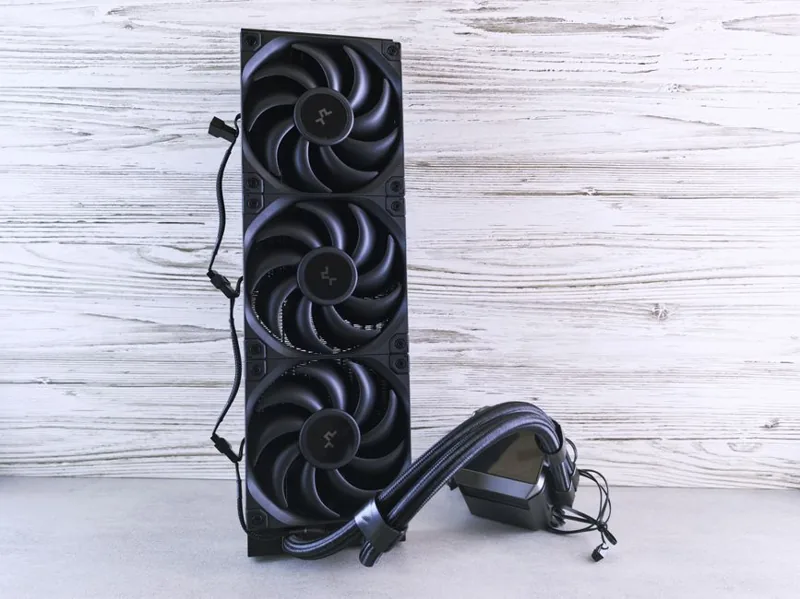
| CPU Cooler | 360mm AIO liquid cooler | $129 |
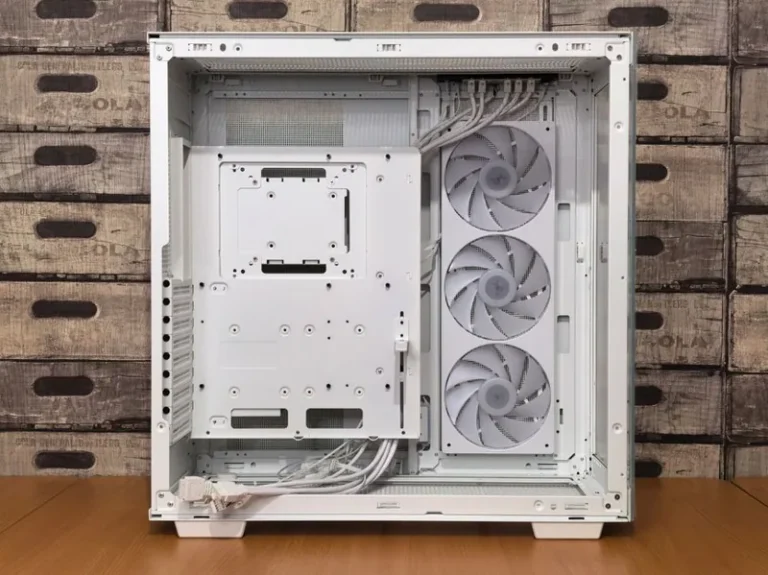
| Case | Airflow mid-tower, mesh front, 4 fans | $99 |
| Total | ~$1,972 |
The GPU is the lever worth pulling. Swap the 5070 Ti for an RTX 5080 (about $999) and you land near $2,220 for stronger native 4K, or drop to an RTX 5070 if you only play at 1440p and want to bank the savings. Our best GPU for gaming price to performance and best CPU for gaming 2026 guides dig into each component in depth.
Why the Ryzen 7 9800X3D Is the Right CPU Here
The 9800X3D is the productivity-free gaming monster that belongs in a $2000 gaming pc build 2026. Its stacked 3D V-Cache makes it the fastest gaming processor on the market, and because it is an 8-core chip, a 360mm AIO keeps it cool and quiet without breaking a sweat. If you instead split your time between gaming and heavy content work, a Ryzen 9 9900X or 9950X trades a few frames for dramatically faster renders — but for a machine whose primary job is gaming, the 9800X3D is the clearly correct call.
Graphics Card: 5070 Ti Is the Price-to-Performance Anchor
At $749 the RTX 5070 Ti is the reason this build punches above its price. It delivers 1440p ultra at 120 to 170 fps in demanding titles and handles 4K gaming with DLSS Quality enabled without dropping below a playable 60 fps, which is precisely the flexibility a $2,000 machine should have. Its 16GB of VRAM is the other reason to favor it over cheaper 12GB cards, since 2026 titles at high texture settings are already brushing against that limit. NVIDIA’s own product page has the full spec sheet if you want the fine print.
Cooling and Power: Quiet Headroom, Not Just Enough
An 850W 80+ Gold ATX 3.0 supply is more than this system needs and that is the point — it runs cool, stays quiet, and leaves the door open for a future GPU upgrade without a trip back into the case. Paired with a 360mm AIO on the CPU and a mesh-front case with four fans, the whole system idles near-silent and stays composed during long sessions. For unit-specific recommendations, see our best power supply for gaming PC guide before you buy.
Peripherals That Complete the Setup
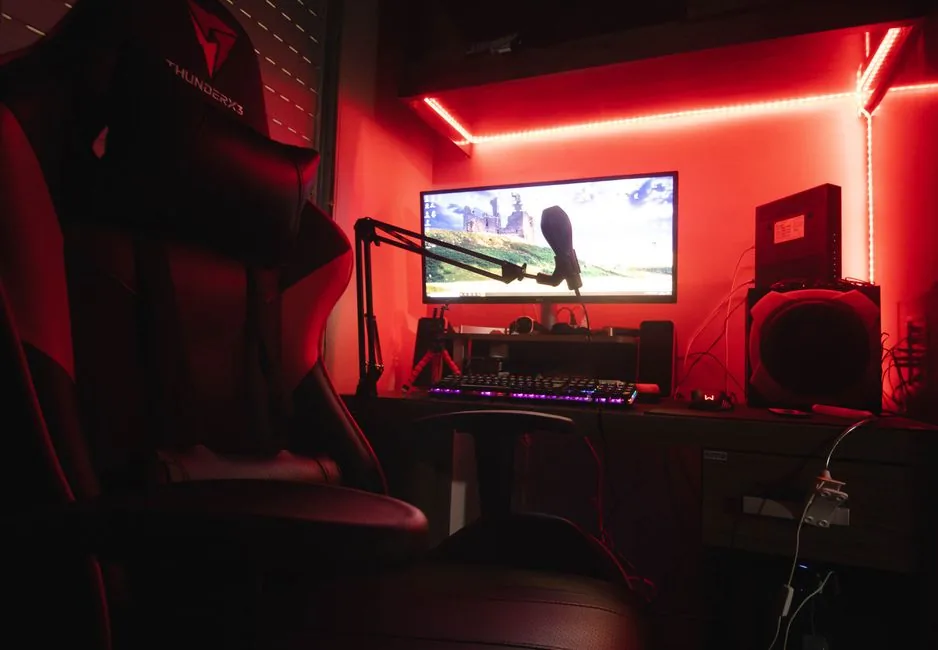
A $2,000 tower deserves a monitor and inputs that do not bottleneck the experience. At this budget you should be pairing it with a 1440p 170Hz+ display for high-refresh competitive play, or a 4K 144Hz panel if you lean toward cinematic single-player titles. On the input side, a responsive keyboard and an accurate mouse cost surprisingly little relative to their impact. Our best gaming monitor 2026, best gaming keyboard 2026, and best gaming mouse 2026 roundups are the shortest path to matching peripherals.
Expected Performance Numbers
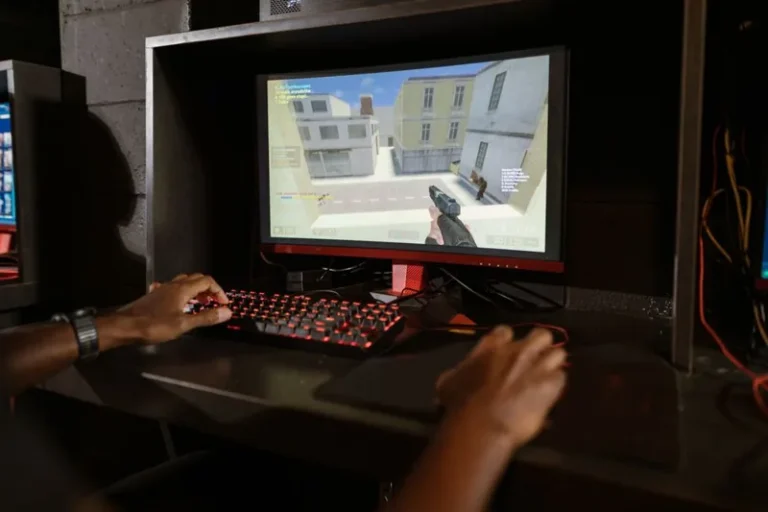
With this exact $2000 gaming pc build 2026, expect 240+ fps in esports like Valorant and Counter-Strike 2 at 1440p competitive settings, 130 to 170 fps in heavy single-player titles at 1440p ultra, and 60 to 90 fps in 4K with DLSS Quality on the most demanding games. Those figures make the machine comfortable today and credible for several years, since the 16GB GPU and the AM5 platform both have real longevity. Independent benchmarks from Tom’s Hardware and PC Gamer publish per-game charts if you want to verify.
Upgrade Path and Longevity
Because this build starts on AMD’s AM5 platform with a PCIe 5.0 board and an 850W power supply, its future upgrades are cheap and easy: a new GPU in three years and possibly a Zen 6 CPU drop-in, with everything else staying put. The 32GB of RAM and the 2TB drive are already sized for years of use, so there is no near-term upgrade you are silently signing up for. That is the quiet value of spending $2,000 thoughtfully rather than scattering the same money across cut corners.

What to Watch: Prices and Availability in 2026
Graphics card prices have been the one wildcard in any build plan for a couple of years now, and 2026 is no different. The RTX 50-series and RX 9000-series have mostly worked through their launch-pricing nonsense, but a demand spike — a hot release, a crypto rally, or a supply-line hiccup — can still shove a $749 card back toward $900 overnight. The practical move is to lock in your GPU price before buying anything else, because it is the only component that swings by triple digits while the rest of this list barely moves. Buying in a quiet month, setting a price alert at major retailers, or grabbing a bundle that pairs a card with a power supply are all realistic ways to land at or under the $2,000 total without waiting forever.
Timing also matters on the platform side. AMD’s AM5 motherboards and DDR5 memory have never been cheaper, and PCIe 5.0 drives keep trickling down in price, so there is no reason to stall for the next generation before building. If your current rig still runs the games you play, patience pays; if it does not, this build is priced well enough today that chasing a future discount rarely makes sense.
FAQ
Is a $2000 gaming pc build 2026 enough for 4K gaming?
Yes. With an RTX 5070 Ti it handles 4K at 60+ fps using DLSS Quality, and swapping to an RTX 5080 pushes native 4K higher. For pure 1440p high-refresh it is genuinely overkill in the best way.
What GPU should I put in a $2000 gaming PC?
The RTX 5070 Ti is the value anchor for this budget, but an RTX 5080 at roughly $999 better suits players who prioritize 4K. Either fits the platform without changing the rest of the parts list.
How long will a $2000 gaming PC build last?
Five years or more for 1440p gaming, with a likely GPU refresh around year three. The AM5 platform and 16GB of VRAM are the two reasons this build ages gracefully.
Should I build it myself or buy a prebuilt at this price?
Building yourself almost always wins at $2,000, because prebuilts at this tier cut corners on the power supply, motherboard, and cooling — the exact parts this list deliberately does not skimp on.
Final Verdict
This $2000 gaming pc build 2026 is built around one idea: put every dollar into the frame-rate engine and protect it with headroom. The result is a machine that dominates 1440p, reaches into 4K when you enable DLSS, runs cool and quiet, and upgrades inexpensively for years. If you have two thousand dollars and want the most gaming performance per dollar without regrets, the parts list above is the blueprint to copy.