RTX vs GTX Comparison Chart: What’s the Difference in 2026?
If you have been shopping for a used graphics card, you have probably run into both GTX and RTX labels and wondered what actually separates them. The simplest way to understand the difference is with an RTX vs GTX comparison chart that lays the two lineups side by side. GTX was Nvidia’s main brand for years, but the company retired it in favor of RTX, and by 2026 every GTX card is effectively legacy hardware.
This guide walks through what the RTX vs GTX comparison chart reveals, from ray tracing and DLSS to raw performance and current prices. Whether you are deciding between an old GTX 1080 and a modern RTX card, or just want to understand the naming, here is everything you need to know.
What GTX and RTX Actually Mean
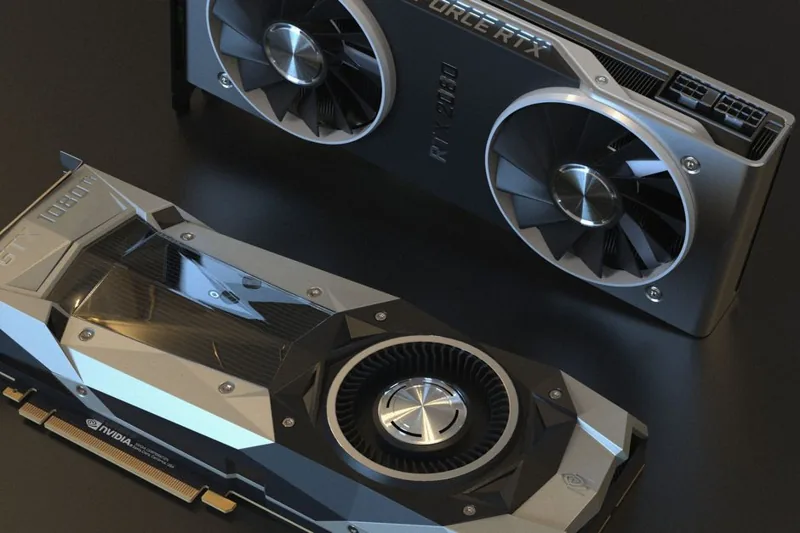
Before diving into the RTX vs GTX comparison chart, it helps to know what the labels stand for. GTX, short for Giga Texel Shader eXtreme, was Nvidia’s enthusiast gaming brand from 2008 through the late 2010s. The most famous GTX cards are the Pascal-based GTX 10 series, including the legendary GTX 1080 and GTX 1060, plus the later Turing-based GTX 16 series like the GTX 1660 Super.
RTX, introduced in 2018 with the RTX 20 series, adds dedicated hardware for real-time ray tracing and AI-powered upscaling. The “R” in RTX stands for ray tracing, and it is the defining feature of every Nvidia card from the RTX 2060 onward. In short, GTX cards render games the traditional way, while RTX cards add hardware-accelerated ray tracing and DLSS on top.
The key distinction is not marketing fluff. It is a genuine hardware difference. RTX cards carry dedicated RT cores for ray tracing and tensor cores for AI work, while GTX cards do not. That single difference cascades into everything else in the RTX vs GTX comparison chart below.
RTX vs GTX Comparison Chart: The Side-by-Side Breakdown
Here is the core RTX vs GTX comparison chart, summarizing the two lineups across the factors that matter most for gaming.
| Feature | GTX (10 / 16 series) | RTX (20 / 30 / 40 / 50 series) |
|---|---|---|
| Ray Tracing | Not supported | Hardware-accelerated RT cores |
| DLSS Upscaling | Not supported | DLSS 2 / 3 / 4 (by generation) |
| Tensor Cores | None | Dedicated AI cores |
| Architecture | Pascal / Turing | Turing RTX / Ampere / Ada / Blackwell |
| Current Status | Discontinued / legacy | Active lineup |
| Driver Support | Limited / sunsetting | Full Game Ready support |
| Typical 2026 Price | $60–$150 used | $250–$2,300 |
| Best Use Today | Esports, budget 1080p | All modern gaming |
The most important rows are the first three. Ray tracing, DLSS, and tensor cores are the features that define modern gaming, and GTX cards simply do not have them. That is why even a budget RTX card from the last few years can feel more capable than a flagship GTX card from 2016 in today’s games.
The Architecture Gap: Why RTX Pulls So Far Ahead
The RTX vs GTX comparison chart only tells part of the story. The underlying architectures explain why the performance gap is so large. GTX 10 series cards use Pascal, a 2016 architecture, while GTX 16 series cards use a stripped-down Turing with the RT and tensor cores removed. By contrast, RTX cards span four generations of architectures, each with meaningful improvements in efficiency and features.
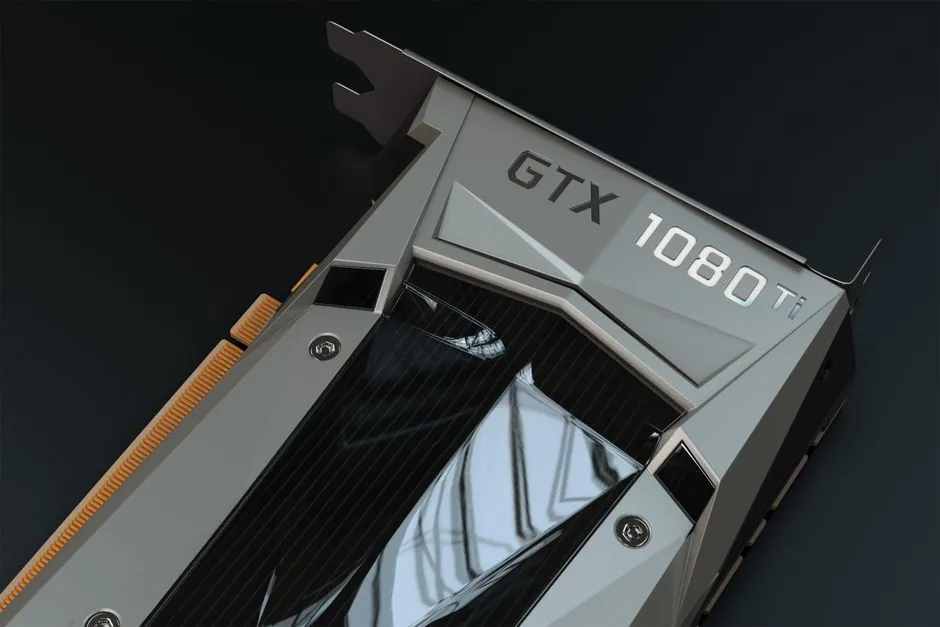
In pure rasterization, an old flagship like the GTX 1080 Ti still holds up surprisingly well, roughly matching a modern RTX 4060 in raw frame rates in older games. But raster performance is only half the picture. Modern titles increasingly assume ray tracing and upscaling, and a GTX card locked out of both will struggle where a budget RTX card cruises.
DLSS is the single biggest differentiator. On an RTX card, DLSS can render at a lower resolution and upscale with AI, dramatically boosting frame rates with minimal visual loss. On a GTX card, you have no such option. When a demanding new game drops, the RTX owner can claw back performance that the GTX owner simply cannot.
Ray Tracing and DLSS: What You Miss With GTX
The features that make RTX cards worth buying are the same features the RTX vs GTX comparison chart highlights as missing on GTX. Let us be specific about what that costs you.
Ray tracing simulates how light actually behaves, producing realistic reflections, shadows, and global illumination. It is now a default visual feature in blockbuster games like Cyberpunk 2077 and Alan Wake 2. An RTX card renders these effects in real time with dedicated hardware. A GTX card cannot run them at all, forcing you to play with ray tracing off or not run the game at acceptable frame rates.
DLSS is arguably even more valuable. It uses AI to reconstruct a high-resolution image from a lower one, often turning a barely playable experience into a smooth one. DLSS 4 on the RTX 50 series adds multi-frame generation, which can triple or quadruple displayed frame rates. None of this exists on GTX, which is why a mid-range RTX card frequently outlives and outperforms a high-end GTX card in real-world 2026 gaming.
If you are weighing a cheap used GTX card against a budget RTX card, this is the decision in a nutshell. The GTX card is cheaper up front, but the RTX card plays the games you actually want to play, and it will continue to do so for years. My best budget CPU for gaming guide covers how to keep the rest of the system from holding a budget GPU back.
Which GTX Cards Are Still Worth It in 2026?
Reading an RTX vs GTX comparison chart might tempt you to write off GTX entirely, but a few old cards still earn their keep in narrow roles. The GTX 1080 Ti remains a capable 1080p card for older and competitive titles, and the GTX 1660 Super is a fine budget pick for esports games like Valorant, Counter-Strike 2, and Fortnite, which run well without ray tracing.
The catch is that these cards are all well past their prime. Nvidia has wound down driver support for older GTX architectures, and modern AAA titles increasingly assume features the cards lack. A used GTX 1080 Ti at $150 might feel like a bargain, but a used RTX 3060 or RTX 4060 for a bit more money delivers far more longevity and access to DLSS.
The only time a GTX card genuinely makes sense in 2026 is for an ultra-budget build focused exclusively on competitive esports at 1080p. For anything beyond that, the RTX vs GTX comparison chart points clearly in one direction.
Should You Buy RTX or GTX in 2026?
The answer the RTX vs GTX comparison chart leads to is unambiguous: buy RTX. Every new card Nvidia sells is an RTX card, and every GTX card on the market is a discontinued legacy product with limited driver support and no access to the features that define modern gaming.
If you are on a strict budget, buy the best used RTX card you can afford rather than a higher-tier GTX card. A used RTX 3060 or RTX 4060 costs only a little more than a GTX 1080 Ti and will serve you far better in both current and future titles. For guidance on the best current options across every price point, see my best graphics card for gaming 2026 guide.
If you already own a GTX card and are wondering whether to upgrade, the answer is almost certainly yes if you play modern AAA games. The jump to even a budget RTX card unlocks ray tracing and DLSS, which is a bigger real-world improvement than any raw clock-speed gain. My when to upgrade your graphics card guide walks through exactly when the upgrade makes sense.
FAQ
What is the main difference between GTX and RTX?
RTX cards have dedicated RT cores for ray tracing and tensor cores for AI upscaling like DLSS. GTX cards have neither, so they cannot run ray tracing or DLSS in games.
Can a GTX card run ray tracing?
No. GTX cards lack the dedicated RT cores required for hardware-accelerated ray tracing. Some GTX 16 series cards can technically run it in software, but performance is so poor it is unusable.
Is a GTX 1080 Ti better than an RTX 4060?
In raw rasterization they are close, but the RTX 4060 is the better buy in 2026 because it supports DLSS and ray tracing, has full driver support, and will play modern games the GTX card cannot.
Which is better for budget gaming, GTX or RTX?
RTX, even on a budget. A used RTX 3060 or 4060 costs only a little more than a high-end GTX card and delivers far more longevity and modern features.
Are GTX cards still supported by Nvidia?
Nvidia has wound down support for older GTX architectures. GTX cards still work, but they receive no meaningful new driver optimizations and increasingly struggle in modern games.
Conclusion
The RTX vs GTX comparison chart tells a clear story. GTX was a great brand for its time, but its time has passed. Every GTX card is now legacy hardware with no ray tracing, no DLSS, and fading driver support, while RTX cards span four generations of active, feature-rich gaming GPUs. In 2026, the choice is not really a choice at all.
If you are buying a card today, buy RTX. Even the most budget-friendly RTX card unlocks the ray tracing and DLSS that keep modern games running smoothly, and it will age far better than any GTX card still on the market. Pair it with a good power supply and enough RAM, and you have a system ready for years of gaming. For deeper architecture breakdowns, check Tom’s Hardware and the official lineups on Nvidia’s site, then buy the card that actually plays the games you want.