RTX 5080 Build: The Ultimate 4K Gaming PC for 2026
The RTX 5080 is arguably the smartest high-end GPU Nvidia has released in years, and building a PC around it is one of the best ways to get genuine 4K gaming without paying flagship money. This RTX 5080 build guide puts together a complete, balanced system that lets the card stretch its legs without wasting money on components you do not need. Every part here is chosen for real-world performance at 4K and 1440p, not for benchmark bragging rights.
Below you will find the full parts list with current 2026 prices, the reasoning behind each component choice, and a few upgrade paths if your budget has more room. This RTX 5080 build lands around $2,500 all-in and will handle everything from AAA ray-traced titles to high-refresh competitive gaming for years to come.
The Complete RTX 5080 Build Parts List
Here is the entire RTX 5080 build in one table, with the parts I recommend and their typical 2026 prices.
| Component | Recommendation | Price |
|---|---|---|
| GPU | Nvidia RTX 5080 16 GB GDDR7 | ~$1,500 |
| CPU | AMD Ryzen 7 9800X3D | ~$450 |
| Motherboard | B650E / X870 (AM5) | ~$250 |
| RAM | 32 GB DDR5-6000 CL30 | ~$110 |
| SSD | 2 TB NVMe Gen4 | ~$120 |
| PSU | 850 W 80+ Gold ATX 3.1 | ~$140 |
| Cooler | 360 mm AIO liquid cooler | ~$120 |
| Case | High-airflow mid-tower | ~$100 |
| Total | ~$2,790 |
The headline number sits a little under $2,800, but you can trim it meaningfully by reusing a case, cooler, or storage you already own. The core of this RTX 5080 build is the GPU, CPU, and power supply, and those three are the only parts where you should not compromise.
Why the RTX 5080 Is the Right Core
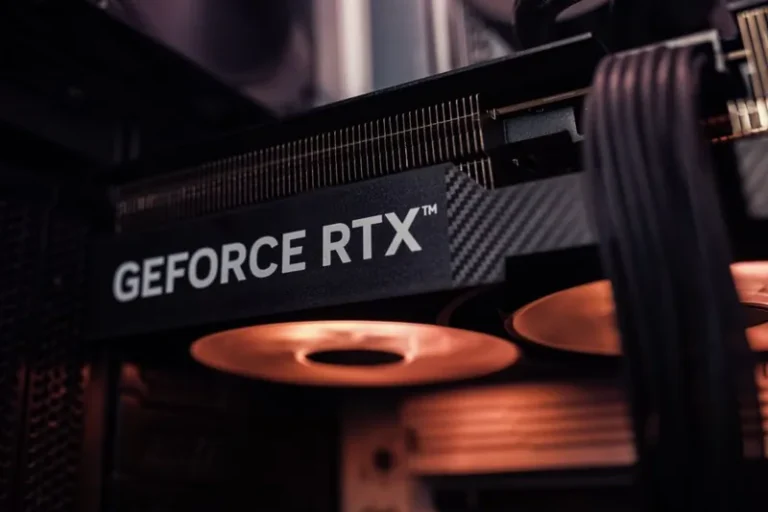
The RTX 5080 is the heart of this build, and it earns that spot. With 16 GB of GDDR7 and a Blackwell architecture, it delivers smooth 4K gaming with DLSS 4 multi-frame generation, which can triple or quadruple displayed frame rates in supported titles. In raw terms it sits a tier below the RTX 5090 but costs less than half as much, making it the best high-end value in the current lineup.
For 1440p high-refresh gaming, the RTX 5080 is arguably overkill, comfortably pushing past 200 fps in esports titles and well over 100 fps in demanding AAA games. That headroom is exactly why this RTX 5080 build makes sense: you get a card that maxes out today’s best monitors and will still feel fast years from now.
The one thing to watch is street price. The RTX 5080 launched at $999 but has drifted to roughly $1,400 to $1,600 through 2026. If you can find one closer to MSRP, the value improves dramatically. For a wider look at how it stacks up against other cards, see my best graphics card for gaming 2026 guide.
CPU and Motherboard: Feeding the GPU
The best CPU pairing for this RTX 5080 build is the AMD Ryzen 7 9800X3D. Its stacked 3D V-Cache delivers the fastest gaming frame rates on the market, and it has enough multi-core grunt to keep the RTX 5080 fed at 4K, where the CPU is under less load than at 1080p. At around $450 it is a genuine bargain relative to its gaming performance.
If you prefer Intel, the Core Ultra 7 is a capable alternative, but the 9800X3D remains the gaming pick and runs cooler and more efficiently. Either way, do not overspend on the CPU for a 4K build. Once you climb above the 9800X3D tier, you are paying for productivity cores that games rarely use.
For the motherboard, a solid B650E or X870 board on the AM5 socket is all you need. Look for PCIe 5.0 support for the GPU and at least one Gen5 M.2 slot for future storage upgrades, plus enough USB ports for your peripherals. Skip the $500 overclocking boards; they add nothing to a gaming build like this.
Memory, Storage, Power, and Cooling
The supporting cast of this RTX 5080 build is where you can save money without sacrificing performance. Here is the thinking on each piece.
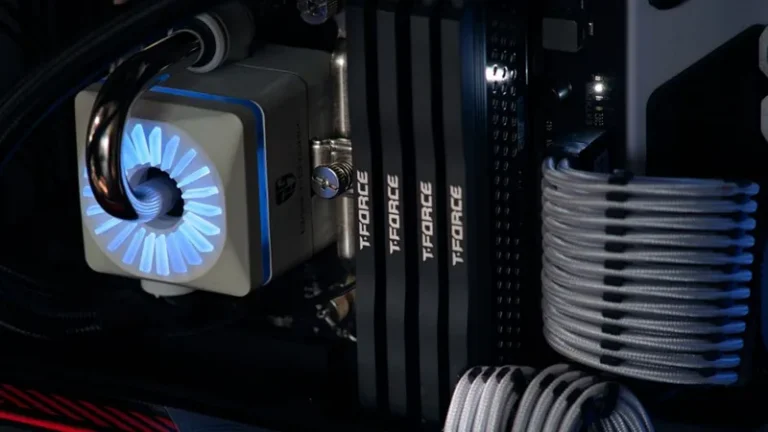
For memory, 32 GB of DDR5-6000 CL30 is the sweet spot. It is fast enough to avoid any bottleneck on the AM5 platform and offers plenty of headroom for gaming alongside background apps. If you are curious how memory speed affects games, my how much RAM for gaming PC guide covers it in detail.
For storage, a 2 TB Gen4 NVMe drive is the right balance of capacity and speed. Modern games routinely exceed 100 GB each, so 1 TB fills up fast. If your budget allows, a faster Gen5 drive is nice but not essential, and my best NVMe SSD for gaming guide lists the current top picks.
The power supply is the one supporting component you must not skimp on. The RTX 5080 can spike well above its rated draw, so an 850 W 80+ Gold unit with ATX 3.1 support is the right floor. That gives you clean headroom and the native 12V-2×6 connector the card uses. For guidance on choosing a quality unit, see my best power supply for gaming PC guide.
Cooling the 9800X3D is easy with a good 360 mm AIO liquid cooler, which keeps temperatures low and noise down. A high-airflow mid-tower case with three front fans and a mesh front panel completes the package and keeps the whole RTX 5080 build running cool under load.
Assembly Tips and Upgrade Paths
Building this RTX 5080 build follows the same steps as any modern PC. Mount the CPU and cooler, install the RAM and M.2 drive on the motherboard, then seat everything in the case and route the power cables before adding the GPU last. The RTX 5080 is a large card, so double-check that your case clears its length and width before ordering.
The most common first-timer mistake is underpowering the GPU. If you are reusing an old power supply, make sure it is at least 850 W and has the correct 12V-2×6 connector. A marginal PSU can cause crashes and instability that look like GPU problems but are not.
If you have more budget, the two most impactful upgrades are a step up to the Ryzen 9 9950X3D for extra multi-threaded performance, or a 4 TB Gen5 SSD for more fast storage. If you have less budget, a Ryzen 7 7800X3D and a 1 TB drive trim a few hundred dollars without meaningfully hurting gaming frame rates. For a complete overview of how a build comes together, see my how to build a gaming PC step by step guide.
FAQ
Is an RTX 5080 build good for 4K gaming?
Yes. The RTX 5080 handles 4K gaming smoothly, especially with DLSS 4, and is the best high-end value for 4K in 2026.
What CPU should I pair with an RTX 5080?
The AMD Ryzen 7 9800X3D is the best gaming pairing. Its 3D V-Cache delivers the fastest frame rates and keeps the RTX 5080 fed without overspending.
What power supply do I need for an RTX 5080 build?
An 850 W 80+ Gold unit with ATX 3.1 support and a native 12V-2×6 connector is the right floor, giving clean headroom for power spikes.
How much does a full RTX 5080 build cost?
Around $2,500 to $2,800 in 2026, depending on component choices. Reusing a case, cooler, or storage can trim the total meaningfully.
Is the RTX 5080 worth it over the RTX 5070 Ti?
For 4K gaming, yes. The RTX 5080 is roughly 20 to 25 percent faster and worth the premium if 4K is your target. For 1440p, the 5070 Ti is the better value.
Conclusion
This RTX 5080 build is a balanced, future-proof 4K gaming machine that gets the most out of one of the best high-end GPUs available in 2026. The combination of the RTX 5080, a Ryzen 7 9800X3D, and 32 GB of fast DDR5 delivers smooth 4K gaming today and enough headroom to stay relevant for years.
The beauty of this RTX 5080 build is its flexibility. Spend a little less on storage or a cooler and you can shave a few hundred dollars; spend a little more and you gain extra multi-threaded muscle. Either way, keep the GPU, CPU, and power supply as the priorities and the rest falls into place. For independent component reviews, check Tom’s Hardware and PC Gamer, then start ordering parts and enjoy the build.