What Is the Best Gaming PC You Can Build in 2026?
If you are shopping for parts right now, the honest answer to what is the best gaming PC you can build in 2026 is not a single magic tower. It is a balanced machine built around a fast eight-core CPU, a modern 16 GB graphics card, 32 GB of DDR5 memory, and a fast Gen4 NVMe drive. When those four pieces line up, games run smoothly at 1440p, comfortably at 4K, and the whole system feels responsive for years. The best build is the one that puts most of the budget into exactly those parts and does not waste money on RGB, oversized power supplies, or cooling you do not actually need.
The parts list below is what I would assemble today if I wanted the highest frame rate per dollar without overspending. Prices are current 2026 street prices, and every component has been picked because it benchmarks at the top of its class rather than because it looks good in a photo.
What Is the Best Gaming PC You Can Build? Start With the CPU
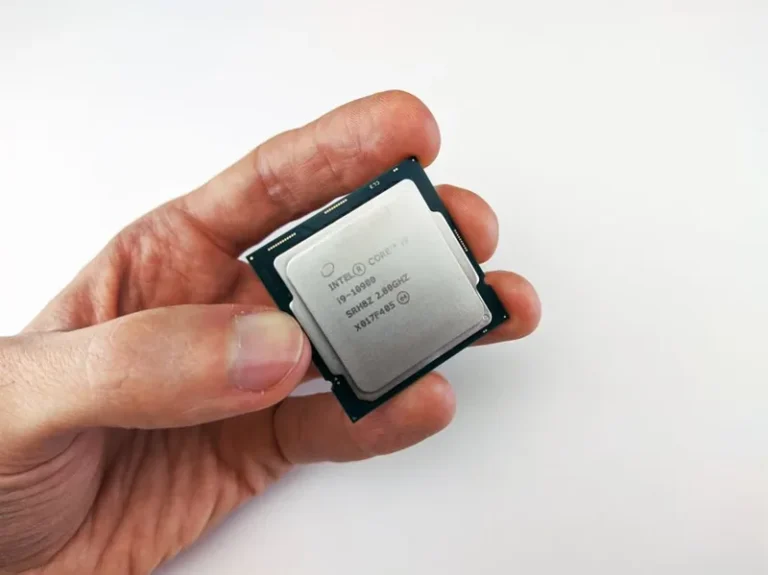
The processor is the anchor of the whole system, and in 2026 the smart money goes to AMD’s Ryzen 7 7800X3D or the newer Ryzen 7 9800X3D. The 3D V-Cache on these chips delivers an enormous boost in CPU-heavy games like simulation titles, MMOs, and competitive shooters, often matching or beating processors that cost twice as much. It is the single best gaming CPU choice for a no-regrets build, which is why it anchors our best CPU for gaming 2026 guide.
Intel is still competitive with the Core Ultra 7 265K, but for pure gaming value the Ryzen 7 X3D lineup is the easier recommendation. Either way, buy an eight-core processor with a high boost clock and pair it with a good B650 or Z890 motherboard, and you will not need to think about the CPU again for a long time.
How much CPU do you actually need?
For gaming, eight cores is the sweet spot. Six cores will still play nearly everything, but frame pacing in crowded scenes suffers, and eight cores leaves headroom for streaming or a browser full of tabs. Anything above twelve cores is wasted unless you also render or edit video.
The Graphics Card Is Where Most of the Money Goes
The GPU should claim roughly forty to fifty percent of your total budget, because it is the part that determines frame rate more than anything else. In 2026 the best value cards sit in the $500 to $800 range: the GeForce RTX 5070 and Radeon RX 9070 XT both deliver superb 1440p performance and are genuinely playable at 4K with upscaling. If you want to max out 4K native, step up to an RTX 5080.
This is the area where builders most often go wrong, either by underspending and bottlenecking a fast CPU, or by buying a flagship card they will never fully use. The right move is to match the card to your monitor resolution and refresh rate. When someone asks me what is the best gaming PC you can build, my first question is always the resolution they play at, because the graphics card follows directly from that answer. Our best GPU for gaming price to performance breakdown covers the trade-offs in depth, and the best graphics card for gaming 2026 guide has the full ranked list.
What resolution are you targeting?
At 1080p, a midrange card is all you need. At 1440p, aim for an RTX 5070 or RX 9070 XT. At 4K, you want an RTX 5080 or better. Buy the card for the resolution you actually play at, not the resolution you might buy a monitor for someday, because answering what is the best gaming PC you can build starts with this one choice and cascades into every other part you pick.
Memory and Storage That Do Not Slow You Down
32 GB of DDR5 is the new baseline for a top-tier build. Sixteen gigabytes still works, but modern games, background apps, and extra browser tabs chew through it quickly, and the price difference between 16 GB and 32 GB is small enough that going bigger is an easy call. It is one of the least glamorous but most practical parts of deciding what is the best gaming PC you can build, since a memory bottleneck shows up as stutters that are hard to diagnose. Keep it simple with a 6000 MT/s CL30 kit, which is the performance sweet spot on current platforms. Review our how much RAM for gaming PC guide and the DDR4 vs DDR5 gaming comparison if you are torn on specs.
For storage, a 2 TB Gen4 NVMe drive is the right default. Games have swollen well past 100 GB each, and a fast drive cuts load times dramatically while costing surprisingly little. A 1 TB drive fills up faster than most people expect, and a Gen5 drive is faster on paper but nearly impossible to feel. You can always add a second drive later if the library grows.

The Complete Parts List and Prices
Here is the full build, component by component, with realistic 2026 prices:
| Component | Pick | Est. Price |
|---|---|---|
| CPU | AMD Ryzen 7 7800X3D | $340–$380 |
| GPU | NVIDIA GeForce RTX 5070 | $550–$600 |
| Motherboard | B650 ATX (MSI or ASUS) | $160–$200 |
| RAM | 32 GB DDR5-6000 CL30 | $100–$130 |
| Storage | 2 TB Gen4 NVMe SSD | $120–$150 |
| Power Supply | 750W 80+ Gold (ATX 3.1) | $95–$120 |
| Case | Mid-tower airflow case | $80–$120 |
| CPU Cooler | Dual-tower air cooler or 240mm AIO | $45–$130 |
| Total | $1,490–$1,830 |
You can trim this to around $1,200 by dropping to 16 GB of RAM and an RX 9070, or push it past $2,000 with an RTX 5080 and a 4K monitor. For the tighter budget take on the same philosophy, see my best budget gaming PC build under $1000 guide and the full best gaming PC build 2026 roundup. If you want the complete pricing breakdown, how much does it cost to build a gaming PC walks through every tier.
Pick a Power Supply You Can Trust
The power supply is the one component where cutting corners can damage the entire machine. For this build, a 750-watt 80+ Gold unit with the ATX 3.1 standard is the correct choice, both for headroom and for the native 12V-2×6 connector that modern GPUs use. A quality unit costs around $100 and is cheap insurance against shutdowns, coil whine, and long-term wear. Our best power supply for gaming PC guide ranks the safest current options.
Buying a 1000-watt unit is unnecessary unless you plan to run a flagship card, and it will only make the build less efficient at idle. Match the wattage to the actual draw of your CPU and GPU, then add about twenty percent for headroom.
Cool It Quietly and Keep It Simple
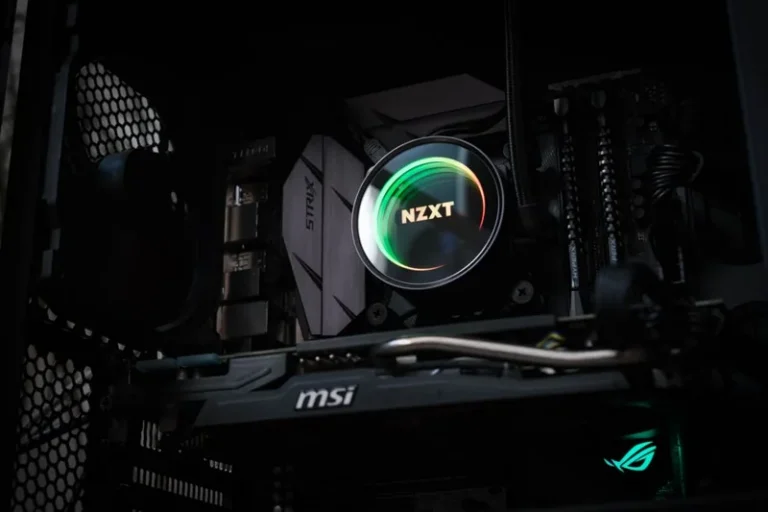
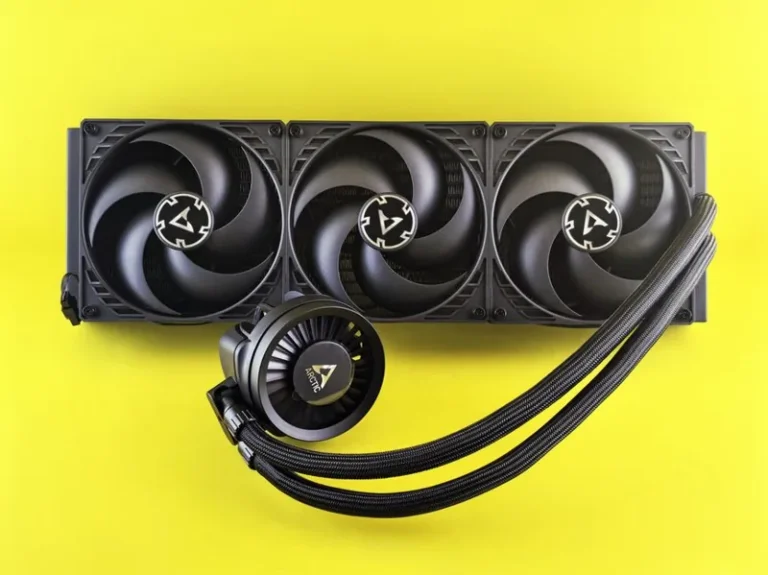
A good dual-tower air cooler keeps the Ryzen 7 X3D chips under control for under $100, and it is the reliability pick because it has no pump to fail. A 240 mm AIO liquid cooler is the alternative if you prefer the look or want slightly lower temperatures in a compact case. Either is perfectly capable, so choose on preference and case clearance rather than fear of overheating.
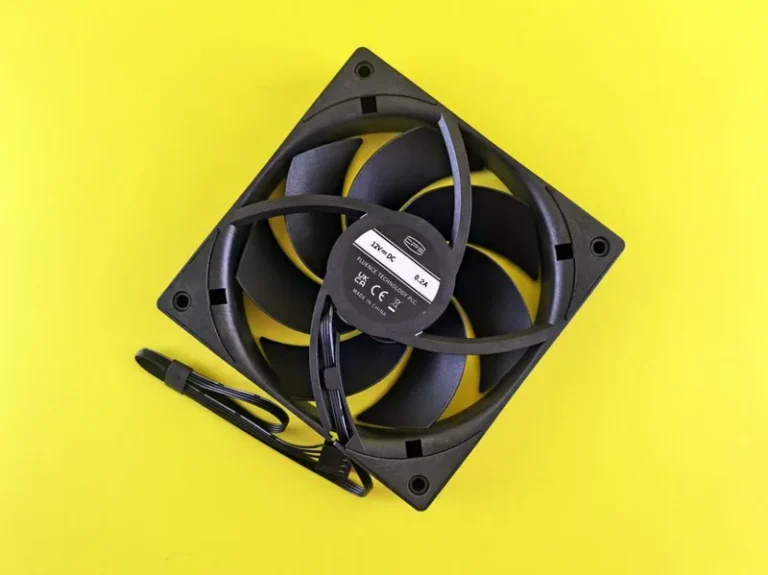
Case airflow matters more than raw cooler size. A mesh-front mid-tower with two or three intake fans will keep every component in this list comfortable, and it lets the fans spin slower and quieter instead of constantly ramping up.
FAQ
What is the best gaming PC you can build for under $1,500?
For under $1,500, build around a Ryzen 7 7800X3D, an RTX 5070, 32 GB of DDR5, and a 2 TB NVMe drive. It handles 1440p at high refresh rates and even dips into 4K gaming with upscaling.
Is 32 GB of RAM overkill for gaming?
Not in 2026. Sixteen gigabytes still works, but 32 GB is the comfortable default because games and background apps are bigger than ever, and the price difference is small.
Do I need liquid cooling for a top-tier build?
No. A high-quality dual-tower air cooler handles an X3D gaming CPU perfectly and has no pump to fail. Liquid cooling is a style and space choice, not a performance requirement.
Should I go AMD or Intel for the CPU?
For pure gaming value in 2026, AMD’s Ryzen 7 X3D chips are the easier recommendation thanks to their 3D V-Cache gaming boost. Intel’s Core Ultra 7 is competitive but usually a touch behind in gaming.
How much VRAM do I need on my graphics card?
Aim for at least 16 GB of VRAM in 2026. It keeps textures and future games running smoothly at 1440p and higher, and it is the main reason to skip entry-level 8 GB cards.
Conclusion
When you strip away the hype, the answer to what is the best gaming PC you can build in 2026 is simply a balanced machine: a powerful eight-core CPU, a modern 16 GB graphics card, 32 GB of DDR5, and a fast 2 TB NVMe drive, all powered by a trustworthy 750-watt unit. That combination plays everything at high frame rates without overspending, and every dollar goes toward parts that actually affect your gaming experience.
Use the parts list above as a starting point, then check live prices and swap in whatever is on sale. For build instructions and part reviews, head to Tom’s Hardware and PC Gamer, and start building something you will enjoy for years.