Best Value Gaming PC Build: Maximum FPS for Every Dollar in 2026
The best value gaming pc build isn’t the cheapest one — it’s the one where every component is operating at its price-to-performance peak, with no bottlenecks and no money wasted on RGB or “future-proof” excess. In my experience building for friends and readers, that sweet spot currently sits around $900-1,150, delivering smooth 1440p gaming and effortless 1080p high-refresh performance.
Why this price range? Below it you start cutting the GPU, which is the last place you want to compromise in a gaming build. Above it, you pay a growing premium for diminishing returns on the CPU and cooling. This build threads the needle, and I’ll show you exactly where every dollar goes — and which parts you could trim or upgrade based on your games.
The Sweet-Spot Parts List
Here’s the balanced 2026 value build, priced at typical street prices in late 2025:
| Component | Recommendation | Why It’s the Value Pick | Price |
|---|---|---|---|
| CPU | AMD Ryzen 5 7600 | 6 fast Zen 4 cores, real upgrade path | $185 |
| CPU cooler | Thermalright Peerless Assassin | Twin-tower air cooling, $35 killer | $35 |
| Motherboard | B650M (Gigabyte/MSI) | AM5, PCIe 4.0, future-ready | $130 |
| RAM | 32GB DDR5-6000 CL30 | Sweet spot for AM5, stream-proof | $90 |
| Storage | 2TB Crucial/WD NVMe | Room for a big library, no upgrades | $100 |
| GPU | RTX 4070 or RX 7800 XT | 1440p high at 80+ FPS | $480 |
| PSU | 750W 80+ Gold (Corsair RM750e) | Headroom + reliability | $90 |
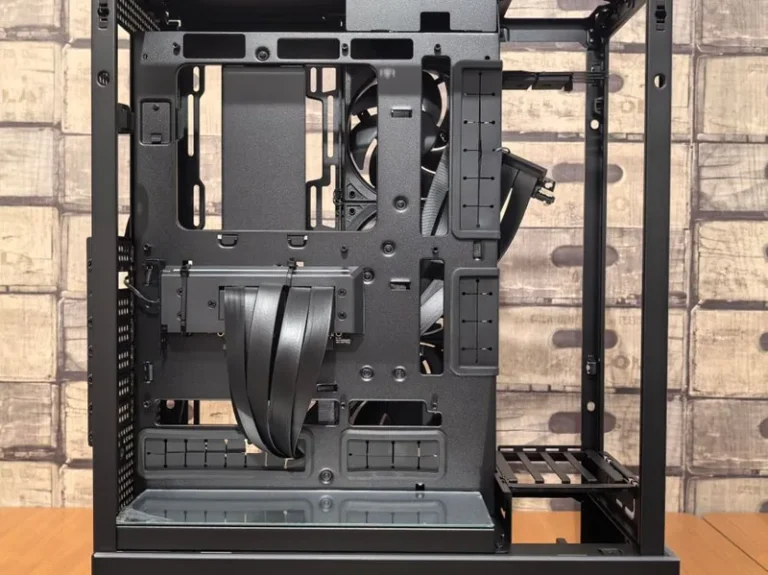
| Case | Mesh mATX (Montech/Fractal) | Great airflow, honest price | $70 |
| Total | ~$1,180 |
The RX 7800 XT (often $450-470 on sale) can shave $20-30 off the GPU line with similar raster performance but weaker ray tracing.
Let me be transparent: that total lands a bit over $1,100. If you need to hit $900 exactly, drop to 16GB of RAM ($40) and a 1TB drive ($60), landing around $1,060 — or step the GPU down to an RTX 4060 Ti for a ~$980 total that still runs 1080p beautifully. The numbers above reflect the “no regret” version of the build.
Why the Ryzen 5 7600 Is the Value CPU
The 7600 is the quiet hero of this build. Six Zen 4 cores at around $185, it pushes enough frames to avoid bottlenecking anything short of a flagship GPU, and — critically — it sits on the AM5 socket, which AMD has committed to supporting with future CPU generations. Buy this now and you can drop in a next-gen Ryzen in two years without touching the motherboard. Compare that to budget Intel’s socket churn, and the long-term value case is clear. AMD’s Ryzen 5 7600 platform is the current sweet spot for exactly this reason.
Where the Money Should Go: Component Priorities
A value build is a study in allocation, not just selection. Here’s the priority order that keeps FPS-per-dollar high:
- GPU first (40-50%): The single biggest driver of frame rate. Never skimp here.
- CPU second (~15-20%): Needs to be “fast enough” to never gimp the GPU.
- A quality PSU: Cheap power can kill everything; this is insurance, not excess.
- RAM and storage last: Both are at historic lows and both are trivial to add later.
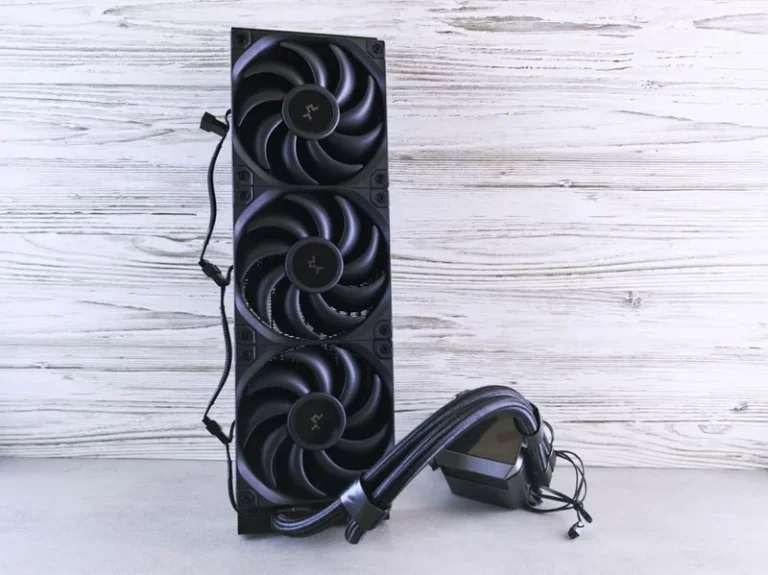
The reverse mistake — overspending on a case, RGB fans, or an overkill liquid cooler while cutting the GPU — is the classic way to end up with a $1,200 machine that performs like an $800 one.
1440p: The Value Resolution
The best value gaming pc build in 2026 is a 1440p machine. Why? Because 4K demands a near-flagpole GPU with steep diminishing returns, while 1080p at this budget leaves the GPU half-idle. 1440p sits in the middle: an RTX 4070 or RX 7800 XT runs it at high settings with headroom, and 1440p monitors with 144Hz+ refresh rates now start under $250.
Expected results with the RTX 4070 build at 1440p high, per Tom’s Hardware’s testing:
- Fortnite / Valorant / CS2: 200-300+ FPS
- Cyberpunk 2077 (ultra, DLSS quality): 90-110 FPS
- Alan Wake 2 (high, DLSS): 70-85 FPS
- Hogwarts Legacy (high): 90-110 FPS
Pair this build with a 1440p 165Hz monitor — many now land under $220 — and you’ll have a setup that won’t feel outdated for years. That monitor pairing is part of why I consider this the best value gaming pc build rather than a temporary stepping stone.
How the Best Value Gaming PC Build Compares to Other Budgets
It helps to see this build in context. Here’s how it stacks up against the tiers on either side of it:
| Budget Tier | Typical GPU | Resolution Target | Best Use Case |
|---|---|---|---|
| Under $500 | Used GTX 1660 Super / RX 580 | 1080p medium | Esports and older titles |
| Value ($900-1,150) | RTX 4070 / RX 7800 XT | 1440p high | The FPS-per-dollar sweet spot |
| High-end ($1,800+) | RTX 4080 Super / 7900 XTX | 4K high | Enthusiasts with no budget cap |
The gap between the under-$500 tier and this build is the single biggest performance jump per dollar you’ll find anywhere in PC hardware. For the money-conscious, a budget gaming pc under 500 still makes sense for esports; but if you want modern AAA games at their best, the value tier is where the real return lives.
Trimming or Upgrading by Budget
Tighten to ~$900:
– Drop to 16GB RAM and a 1TB SSD.
– Step the GPU to an RTX 4060 Ti or RX 7700 XT.
Stretch to ~$1,300 for heavy ray tracing:
– Swap the GPU to an RTX 4070 Super (~$590).
– Keep everything else identical — this build is deliberately upgrade-friendly.
Either direction keeps the core philosophy intact: spend where frames live, save where they don’t. That’s what separates a true best value gaming pc build from a random assortment of parts on sale.
A Note on Sales Timing and Used Parts
The final lever on value is when you buy, not just what. GPU prices swing by $50-100 around product launches and seasonal sales, and last-gen cards flood the used market every time NVIDIA or AMD announces a new generation. If you can wait, a GPU bought one tier up on sale beats a mid-tier card bought at full price.
The same logic applies to RAM and storage, which have hit historic lows and routinely drop another 15-20% during Black Friday and Prime Day events. Build your parts list first, set price alerts on the GPU and CPU, and pull the trigger when those two land in range — the supporting parts are stable enough that the timing barely matters. None of this changes the core parts list above; it just shaves another $50-100 off the best value gaming pc build without giving up a single frame.
Frequently Asked Questions
What is the best value graphics card right now?
Around $450-500, the RX 7800 XT and RTX 4070 are the value leaders. The 7800 XT edges ahead in raw rasterization and VRAM (16GB), while the 4070 wins on ray tracing and DLSS — see the components needed to build a gaming pc guide for context on choosing.
How much should I spend on a value gaming PC in 2026?
Roughly $900-1,200 for a balanced 1440p machine. Below $500 you’re building an esports-only rig (see budget gaming pc under 500); above $1,300 returns diminish fast unless you need 4K.
Is 32GB of RAM worth it for gaming?
For a value build, 32GB is the smart default — it costs only ~$50 more than 16GB and eliminates stutter when gaming while streaming, browsing, or running mods. It’s one of the cheapest “future-proofing” upgrades you can buy.
Should I build or buy prebuilt for value?
Building almost always wins on value, saving $150-350 on equivalent specs. The exception is during rare prebuilt sales — see my best prebuilt gaming pc under 1500 roundup if you’d rather skip assembly.
Final Thoughts
The best value gaming pc build for 2026 pairs an AM5 Ryzen 5 7600 with a $450-500 GPU, 32GB of DDR5, and a quality 750W unit — a machine that runs 1440p high settings comfortably and leaves every door open for future upgrades. That’s what “value” actually means: not the cheapest total, but the most performance per dollar, sustained over years.
Assemble your own version of this list in a spreadsheet, watch for GPU and CPU sales, and when you’re ready to put it together, my how to build a gaming pc step by step guide will walk you through the whole build.