Gaming PC Used Parts: Build a Solid Rig for Less (2026)
Buying gaming pc used parts is the single fastest way to cut the cost of a new build without sacrificing real performance. GPUs, CPUs, and memory tend to outlive their first owners by years, and a careful shopper can assemble a 1440p machine for hundreds less than new. This guide explains exactly which used components are safe to buy, what to skip, and how to shop without getting burned.
The used market in 2026 is deeper than ever, partly because the previous GPU generation flooded the secondhand channels and partly because builders upgrade on a predictable cycle. Before you commit any budget, it helps to understand how your money normally breaks down, so check our how much does it cost to build a gaming pc guide to anchor your expectations.
Why Gaming PC Used Parts Make Sense
The strongest argument for buying used is simple math. A two-year-old graphics card still performs within 10 to 15 percent of its launch-day numbers, yet it often sells for 50 to 60 percent of its original price. That gap only grows on the enthusiast tier, where the original buyers get the itch to upgrade first.
The second argument is availability. Current-gen parts spend their first several months under stock pressure, but the previous generation is always sitting on the used shelf in quantity. If you want a specific card today rather than after a restock, the used market is frequently the only guaranteed way to get it. Reliability data is on your side too, since Tom’s Hardware has long found that well-maintained GPUs and CPUs simply do not wear out on the timescale of a typical upgrade cycle the way drives and power supplies can.
What Is Safe to Buy Used?
Not every component ages the same, so your appetite for risk should vary by part. The table below summarizes what experienced builders generally consider safe versus worth buying new.
| Component | Safe to Buy Used? | Typical Used Savings | Notes |
|---|---|---|---|
| GPU | Yes | 25–50% | Biggest savings; verify temps and fans |
| CPU | Yes | 15–30% | No bent pins on LGA sockets |
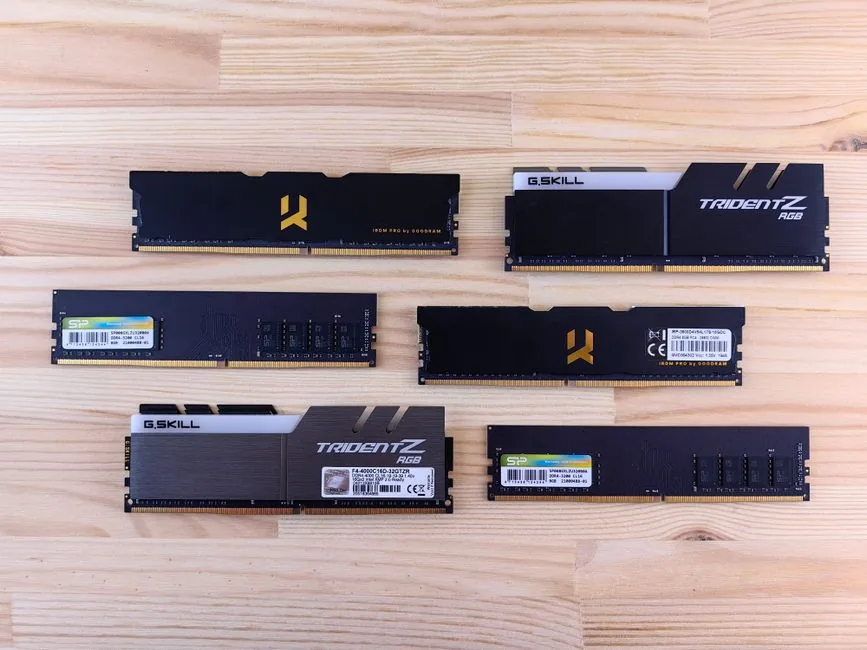
| RAM | Yes | 20–40% | Very low failure rate |
| Motherboard | Maybe | 15–25% | Check socket pins carefully |
| Storage (SSD) | Riskier | 20–35% | Always check SMART health |
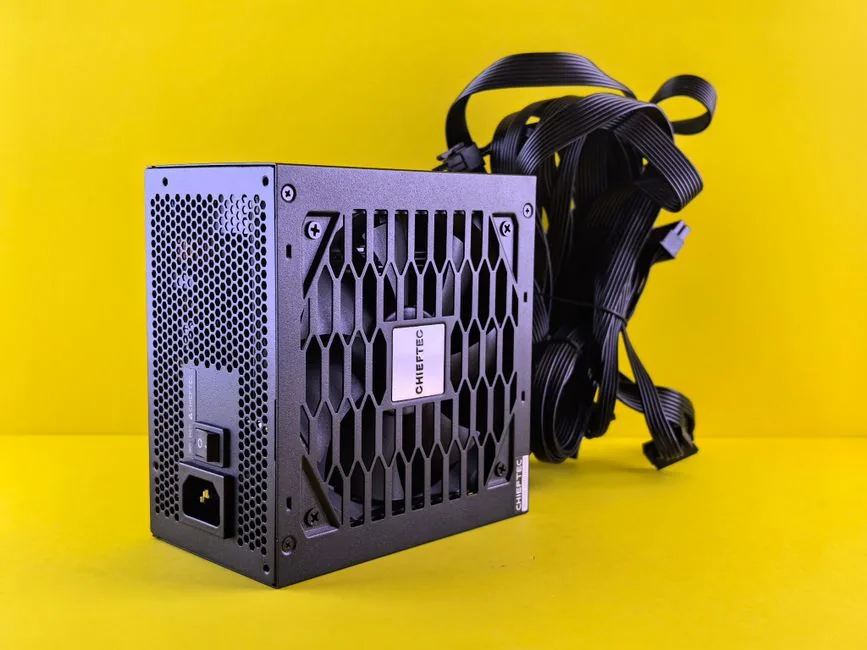
| PSU | No | — | Buy new; failure is catastrophic |
| Case | Yes | 30–60% | Cosmetic only, ship bulky |
The clear takeaway is that the parts that matter most for frame rates, the GPU and CPU, are exactly the parts where used prices drop the most. A power supply is the one thing you should almost never buy secondhand, because a dying unit can take the rest of your system with it. For a deeper look at picking the right card, see our best graphics card for gaming roundup.
Where to Buy Gaming PC Used Parts Without Getting Burned
Marketplaces are not created equal. eBay and its buyer-protection program remain the safest national option because the money-back guarantee covers items that arrive dead or misrepresented. Facebook Marketplace and local classifieds offer the lowest prices but zero formal protection, so they reward patience, in-person testing, and a little skepticism.
Specialized communities are often the quiet best-kept secret. Hardware swap subreddits and enthusiast forums have reputation systems that filter out bad actors far better than an anonymous listing ever could. Prices there sit below eBay because the seller skips platform fees, and sellers tend to be hobbyists who actually maintained their gear. When you meet locally, ask for a quick benchmark or boot test before handing over cash, and always pay in a way you can trace.
Red Flags to Watch For
The most common scam is a dead card sold as “untested,” which is seller code for “it does not work and I will not admit it.” Never pay full used-market value for an untested GPU. The second red flag is a card that was clearly run in a mining farm, which you can often spot from dust on the fan bearings, coil-whine complaints, or a stripped-down cooler. Mining cards are not automatically bad, but they should sell at a meaningful discount.
Check for physical damage on pins, bent capacitors, and signs of liquid around the CPU socket. On SSDs, always ask for a CrystalDiskInfo screenshot showing power-on hours and overall health. If a seller dodges questions about history or refuses a test, walk away; another listing always comes along.
Benchmarking and Stress Testing After Purchase
Immediately after buying, run a full validation pass before you tear down your current build. Use a synthetic load like 3DMark or FurMark on the GPU for at least 30 minutes while watching temperatures, and check for artifacts or crashes. The Tom’s Hardware GPU hierarchy is a useful reference for what kind of temperatures a given card should sit at under load, which makes it easy to tell a healthy unit from one running hot.
For the CPU, a sustained Cinebench run will reveal instability that a quick boot never will. Memory is the easiest to verify: boot into a memory diagnostic and let it complete a full pass. If anything fails, most marketplaces with buyer protection will refund you, which is exactly why you should validate inside the return window rather than letting parts sit in a drawer for a month.
Reusing Your Own Old Hardware
The best deal on the used market is often the hardware you already own. Before you buy anything secondhand, take a hard look at whether your current card or CPU can simply carry over to the new build. A surprising number of “upgrades” are really just one component short of a full second machine, and reusing your own parts costs nothing and carries zero risk. For help deciding whether your current card still has life in it, our when to upgrade your graphics card guide walks through the warning signs.
Keeping a spare GPU and power supply around also pays dividends down the road. The day your main card dies, having a known-good used card on the shelf means minutes of downtime instead of days waiting on a replacement.
Budgeting a Full Used Build
Because you save on the GPU and CPU, a used build can reach a performance tier that a new budget would never touch. A system built from a used RX 7800 XT or RTX 4070-class card, a used Ryzen 7 or Core i7, and fresh storage and power can often land under $900 while delivering high-refresh 1440p. For a matching parts list at the value end, our best budget gaming pc build under 1000 guide pairs well with a used GPU swap.
Always pair used core components with a new power supply and, ideally, a new SSD, since those are the parts whose failures cost you the most and whose reliability you cannot easily verify secondhand. This hybrid approach, used where it is safe and new where it matters, is the sweet spot most veteran builders settle on.
FAQ
Is it safe to buy a used GPU?
Yes, if you buy from a marketplace with buyer protection, verify the card works under load within the return window, and avoid suspiciously cheap “untested” listings. A quick 30-minute stress test reveals most problems.
What used parts should I avoid?
Avoid used power supplies almost entirely, and treat used SSDs and motherboards with extra caution because their failures are harder to diagnose and more consequential when they happen.
How much can I save buying used?
Most builders save 25 to 50 percent on the GPU and 15 to 30 percent on the CPU, which typically works out to $200 to $400 off an entire build.
Are mining GPUs a bad idea?
Not automatically, but they should be priced lower than gaming-only cards. Check fan wear, ask about maintenance, and run a full stress test before keeping one.
Should I reuse my own old parts instead of buying used?
Absolutely. Reusing hardware you already own carries zero cost and zero risk, and it is always worth checking whether your current components can carry over before you shop the secondhand market.
Conclusion
Choosing gaming pc used parts for your next upgrade or build is one of the smartest value moves in 2026, provided you buy the right components, use protected marketplaces, and test everything before the return window closes. Put the savings into a new power supply and fast storage, and you end up with a system that performs far above what its sticker price suggests. When you are ready to plan the rest of the machine, start with our best gaming pc build 2026 guide and swap in the used parts that fit your budget.