Budget Gaming PC Under 500: The Complete Parts List for 2026
A budget gaming pc under 500 is genuinely possible in 2026, but only if you understand where to spend and where to compromise. You won’t be running Cyberpunk 2077 at ultra settings, but you can absolutely clear 60 FPS at 1080p in Fortnite, Valorant, Apex Legends, Rocket League, and most esports titles on medium-high settings. The trick is pairing a strong value CPU with a used GPU and skipping the overpriced extras that do nothing for frame rates.
The biggest mistake first-time builders make is trying to buy everything new. New budget GPUs start around $180-200, which eats 40% of a $500 budget before you buy anything else. A used card from the last generation delivers far more frames per dollar. In this guide I’ll walk you through a complete parts list with real street prices, explain the two sensible paths (used GPU vs. APU), and flag the components where you should never cheap out.
What a Budget Gaming PC Under 500 Actually Buys You
Let’s be realistic about expectations. A $500 build in 2026 targets 1080p gaming at medium settings, with esports titles running well over 100 FPS and modern AAA games sitting at 40-70 FPS depending on the title.
Here’s what that performance tier looks like in practice:
- Esports (Valorant, CS2, Fortnite, Apex): 100-200+ FPS at competitive settings.
- Older/budget AAA (GTA V, Witcher 3, Doom Eternal): 60-100 FPS at medium-high.
- Newer AAA (Cyberpunk, Alan Wake 2, Starfield): 35-55 FPS at medium with upscaling, which is playable but not glorious.
If your goal is exclusively competitive games, you can hit this budget comfortably. If you want day-one AAA titles at high settings, save another $150-250 and check my best value gaming pc build instead.
Full Parts List for a Budget Gaming PC Under 500
This is the “used GPU” route, which delivers the most performance for the money. Prices are typical street prices as of late 2025 and will move ±$15 based on sales.
| Component | Recommendation | Typical Price |
|---|---|---|
| CPU | AMD Ryzen 5 5500 (6-core/12-thread) | $84 |
| Motherboard | Gigabyte A520M DS3H (AM4, mATX) | $78 |
| RAM | 16GB (2x8GB) DDR4-3200 CL16 | $29 |
| Storage | 1TB Crucial P3 Plus NVMe SSD | $55 |
| GPU | Used NVIDIA GTX 1660 Super 6GB | $120 |
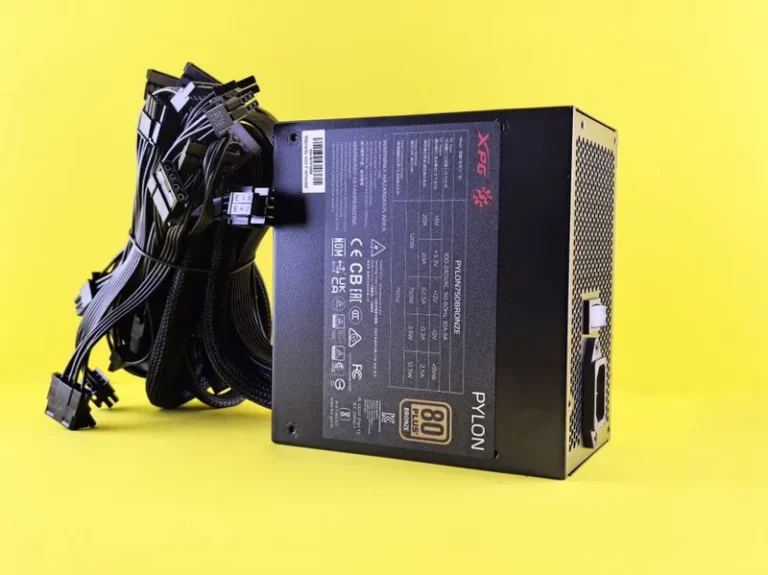
| Power Supply | 550W 80+ Bronze (EVGA/Thermaltake) | $55 |
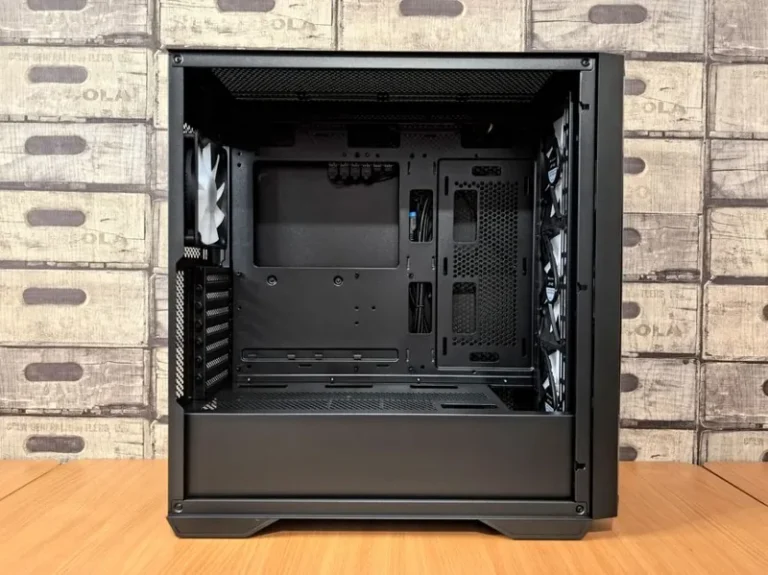
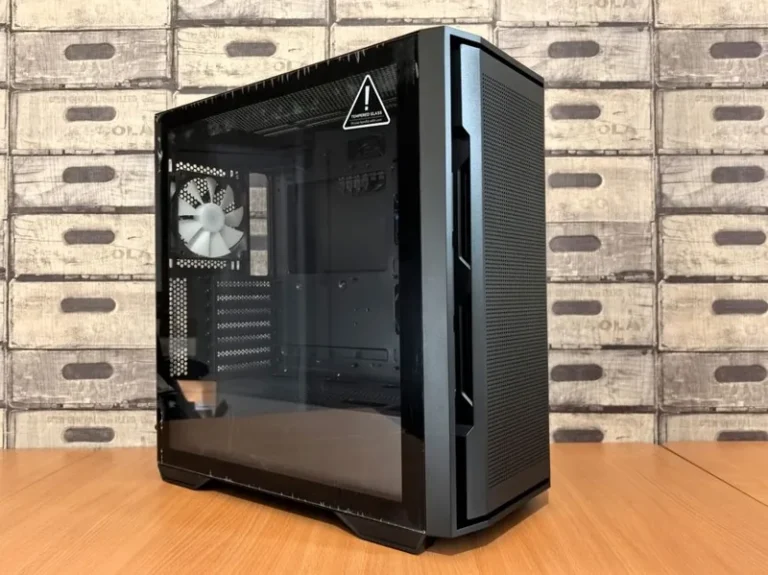
| Case | Budget mATX case with 1-2 fans | $48 |
| Total | ~$469 |
The ~$30 left covers thermal paste, a display cable, or a couple of case fans. If you can stretch to $525, bump the CPU to a Ryzen 5 5600 (about $120) for a meaningful frame-rate lift.
CPU: The Ryzen 5 5500 Is the Value Anchor
The Ryzen 5 5500 gives you six Zen 3 cores and 12 threads for under $90. It’s on the older AM4 socket, which is exactly why it’s cheap — and why it pairs perfectly with the used parts market. The A520M board keeps costs down while giving you PCIe 3.0, which is fine for the GTX 1660 Super’s x8 link and a budget NVMe drive.
GPU: Go Used, Not New
This is where the budget gaming pc under 500 either succeeds or fails. A brand-new RX 6600 runs about $190 and a new RTX 3050 is even worse value. The used market changes everything:
- GTX 1660 Super 6GB (~$120 used): smooth 1080p medium, excellent esports card.
- RX 580 8GB (~$80 used): older but still 1080p-capable; frees up $40.
- RTX 2060 6GB (~$140 used): adds DLSS support for a nice boost in newer titles.
Buy from sellers with high feedback ratings, and test the card within the return window. NVIDIA’s older cards hold up well for this tier, but AMD’s RX 6000 series also floods the used market at great prices.
Where to Cut (and Where You Must Not)
The most common budget build regrets come from cutting in the wrong places. Here’s my honest breakdown after building several sub-$500 machines, and it’s the kind of hard-won advice that saves you from a frustrating first build.
Cut here:
– Case: A $45-50 mesh case is fine. RGB and tempered glass add zero FPS.
– Storage: 1TB is plenty; skip the 2TB “future-proof” upgrade.
– Cooler: The 5500’s stock Wraith Stealth cooler is adequate for gaming loads.
Do not cut here:
– Power supply: A cheap no-name PSU can take the whole build with it. Stick to a recognized 80+ Bronze unit from EVGA, Corsair, or Thermaltake.
– RAM: Never drop below 16GB in 2026, and always run two sticks (dual channel) — a single stick cuts memory bandwidth roughly in half.
– Motherboard VRMs: The A520M DS3H handles a 65W CPU fine; anything cheaper often won’t boost properly.
The single most common regret I hear is skimping on the power supply to afford RGB fans. A $30 no-name unit will work until it doesn’t — and when a bargain PSU fails, it can take the motherboard and GPU down with it. Every dollar of a budget gaming pc under 500 needs to go toward components that affect reliability and frame rate, not aesthetics.
The $420 APU Alternative (No GPU Needed)
If you want everything new with a warranty and you mostly play esports, consider a build around the Ryzen 5 5600G. Its integrated Vega graphics run Valorant and CS2 at 80-120 FPS at 1080p low, and Rocket League at a locked 60.
- Ryzen 5 5600G: ~$130
- B550M board: ~$95
- 16GB DDR4-3200: ~$29
- 1TB NVMe: ~$55
- 550W PSU: ~$55 (headroom for a future GPU)
- Case: ~$50
That lands around $414, and you can drop in a used GPU later without replacing anything. It’s the cleanest upgrade path if you can’t stomach used hardware today. This build still needs a careful assembly process, so review my how to build a gaming pc step by step guide before you open the boxes.
Expected Performance at 1080p
To ground this in real numbers, here’s what the $469 build delivers at 1080p, drawn from Tom’s Hardware’s GPU benchmarks:
- Fortnite (competitive settings): 150-180 FPS
- Valorant: 200+ FPS
- Apex Legends (medium): 90-110 FPS
- GTA V (high): 85-100 FPS
- Cyberpunk 2077 (medium, FSR quality): 45-55 FPS

Those numbers assume 16GB of dual-channel RAM and a clean Windows install. If you want to squeeze more frames, the single best upgrade is the CPU to a 5600, followed by moving up to a used RTX 2060 for DLSS. None of these figures require overclocking — this is stock, out-of-the-box performance, which is exactly what you should expect from a well-balanced budget gaming pc under 500.
Upgrading Your Budget Gaming PC Under 500 Later
The best part of a standard-ATX budget gaming pc under 500 is that it isn’t a dead end. Every component in the list above is a drop-in upgrade target, which is not true of the proprietary parts inside many cheap prebuilts:
- GPU first: The single biggest leap — a used RTX 3060 Ti or RX 6700 XT a year from now will roughly double your AAA frame rates.
- CPU next: A Ryzen 5 5600 or 5700X3D slots straight into the same AM4 board.
- RAM later: 32GB kits are cheap, though 16GB is fine for gaming alone.
Because the A520M board, 550W PSU, and case all use standard sizes, you’ll never be forced into a full rebuild. If you’re weighing this against a ready-made machine, my best prebuilt gaming pc under 1500 roundup explains what the premium buys you — but for upgradability, building wins every time.
Frequently Asked Questions
Is a $500 gaming PC good enough for 1080p?
Yes. At 1080p medium settings, a $500 build clears 60 FPS in most titles and runs esports games at well over 100 FPS. It’s the sweet spot for competitive gaming; it only struggles with brand-new AAA games at high settings.
Can I build a gaming PC under 500 with all new parts?
Technically yes with an APU like the Ryzen 5 5600G, but you won’t have a discrete GPU. For dedicated-GPU performance at this price, the used market is non-negotiable. The two routes are covered above.
How long will a $500 gaming PC last?
Expect a solid 3-4 years at 1080p medium before new games force settings down. Because it’s on a standard ATX/AM4 platform, you can upgrade the GPU and CPU later without rebuilding.
Is it worth buying a used GPU?
For sub-$500 builds, absolutely — the used market is where the value lives. Just buy from reputable sellers, confirm the card isn’t an ex-mining unit with baked-in degradation, and stress-test it on arrival.
Final Thoughts on Your Budget Build
A budget gaming pc under 500 rewards builders who accept two truths: the used GPU market is your friend, and esports performance is achievable at this price while AAA ultra settings are not. The $469 parts list above is a proven, balanced starting point that gives you a genuine 1080p machine with a clear upgrade path.
Start by pricing the parts list in a spreadsheet, then check current used-GPU prices on the marketplaces you trust. When you’re ready to assemble, follow my components needed to build a gaming pc checklist so nothing is missing on build day.