
Best Prebuilt Gaming PC for VR 2026: Top Ready-Made Rigs
If you want the best prebuilt gaming PC for VR without assembling your own tower, 2026 gives you excellent ready-made systems at every price point. Virtual reality punishes weak hardware harder than flat gaming, so picking the wrong prebuilt leads to stutter, motion sickness, and an unhappy headset experience. This guide ranks the top rigs by GPU, VRAM, cooling, and value so you can buy once and plug straight into your VR headset for PC gaming.
Before you commit to a prebuilt, confirm the rest of your setup is ready. A great VR rig needs a monitor with low input lag for flat titles, which we cover in our best gaming monitor 2026 guide, and a comfortable play space.
Why a Prebuilt Makes Sense for VR
VR-ready machines require carefully balanced parts, and system integrators have already solved the hard problems. You get a matched GPU, a motherboard with enough USB ports for a headset, a power supply that will not sag under load, and a warranty that covers the whole tower. For people who would rather game than troubleshoot, the best prebuilt gaming pc for vr is the practical route.
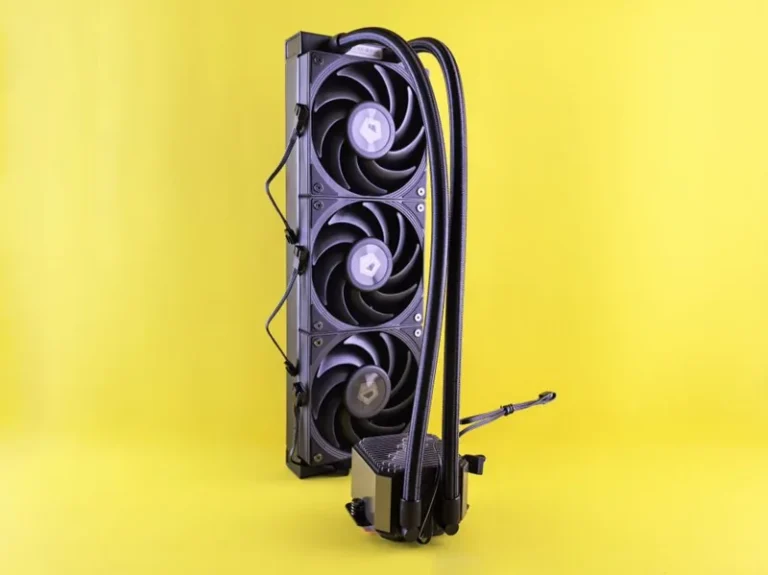
The hidden value is in the thermal design. VR sessions run flat-out for hours, and a chronically overheating prebuilt throttles exactly when you need smooth frame pacing. Reputable builders ship cases with real airflow and proper GPU support, which is harder to DIY correctly than it looks. Roundups from PCMag and Tom’s Hardware consistently rank thermal performance and upgradeability as the two biggest differences between name-brand and generic prebuilts, so those deserve the most attention when you compare models.
Best Prebuilt Gaming PC for VR: Our Top Picks
Here is how the strongest VR-ready prebuilts compare on the key hardware that determines headset performance in 2026.
| Prebuilt | CPU | GPU | VRAM | Price (USD) |
|---|---|---|---|---|
| CyberPowerPC Gamer Supreme VR | Ryzen 7 9800X3D | RTX 5070 Ti | 16 GB | $1,799 |
| Alienware Aurora R17 | Core i7-15900K | RTX 5080 | 16 GB | $2,499 |
| Corsair Vengeance a7400 | Ryzen 9 9950X3D | RTX 5090 | 32 GB | $3,499 |
| MSI Codex R3 | Core i5-15500F | RTX 5060 Ti | 16 GB | $1,199 |
| NZXT Player Three Prime | Ryzen 7 9800X3D | RX 9080 XT | 16 GB | $2,199 |
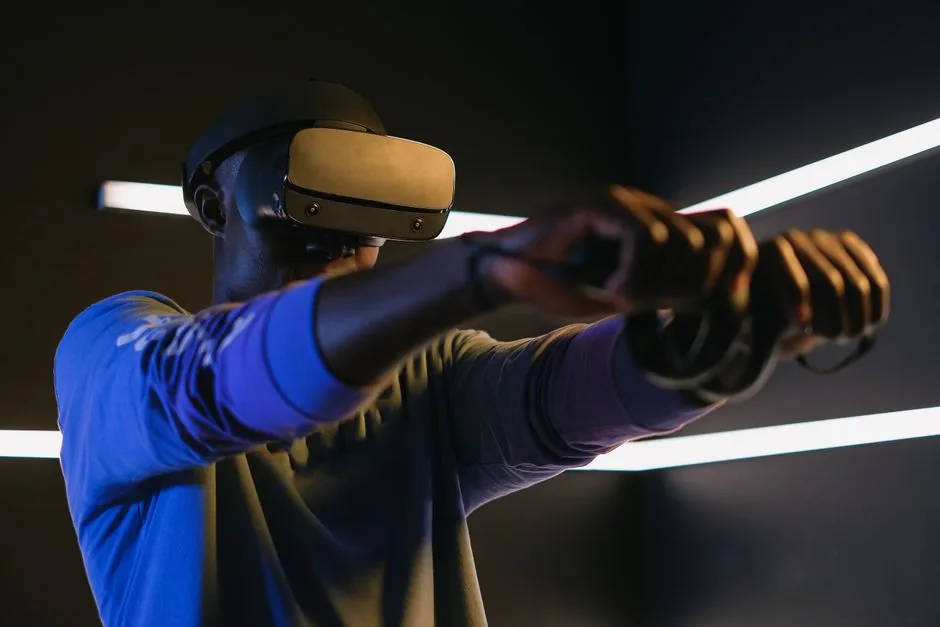
For most VR players, the CyberPowerPC Gamer Supreme hits the sweet spot: a Ryzen 7 9800X3D plus an RTX 5070 Ti drives any current VR title at high settings, and the 16 GB of VRAM gives you headroom for higher-resolution headsets. If you already own a high-resolution headset like the Pimax Crystal Light, read our best VR headset for PC gaming 2026 guide to pair it with the right GPU tier.
Minimum Specs for a VR-Ready Prebuilt
The floor for a smooth VR experience has risen. You should not buy anything below these baselines for a modern headset:
- GPU: NVIDIA GeForce RTX 5060 Ti or AMD Radeon RX 9060 XT with at least 12 GB VRAM.
- CPU: A six-core processor or better, with 3D V-Cache models preferred.
- Memory: 16 GB is the floor, 32 GB is recommended.
- Storage: A 1 TB Gen4 NVMe SSD.
Buying below this spec means dialing resolution down and still dropping frames. If budget is tight, our best budget gaming PC build under $1000 guide shows where you can safely trim without ruining the VR experience.
Best Prebuilt Gaming PC for VR Under $1,500
On a tighter budget, the MSI Codex R3 is the strongest pick. Its RTX 5060 Ti handles most VR titles comfortably at 90 Hz as long as you are not pushing a 2,880 x 2,880 panel. The trade-off is a slightly louder stock cooler and a case with limited space for future upgrades.
If you are coming from console or integrated graphics, this tier is where VR first becomes genuinely enjoyable. Expect to run games like Beat Saber, Half-Life: Alyx, and Superhot VR at full resolution without compromise, and moderately demanding titles with settings trimmed to high rather than ultra.
One compatibility detail trips up first-time VR buyers more than any other: the USB-C port. Modern headsets want a front or top USB-C connection that can carry both data and power as well as display output, so check that the prebuilt’s motherboard and case expose a USB-C 3.2 Gen 2 port before you commit. A tower with only legacy USB-A ports will force you into dongles or a less stable connection for some headsets.
Best Prebuilt Gaming PC for VR for Enthusiasts
At the top end, the Corsair Vengeance a7400 is the best prebuilt gaming pc for vr when money is not the primary constraint. Its RTX 5090 and Ryzen 9 9950X3D mean you can run the most demanding flight and racing simulators at 120 Hz with supersampling, which eliminates shimmer and dramatically improves clarity in the distance.

The NZXT Player Three Prime is the smarter premium pick if you want flagship performance at a slightly saner price. Its Radeon RX 9080 XT delivers near-top-tier VR frames and generally costs less than the green-team equivalent, making it the best performance-per-dollar option in the enthusiast class.
Upgrade Path and Warranty Considerations
A prebuilt should not be a dead end. Check that the motherboard has a free M.2 slot, that the case can fit a larger graphics card later, and that the power supply has spare headroom. Many budget prebuilts ship with proprietary motherboards, which makes future GPU swaps a nightmare; see our when to upgrade your graphics card guide before buying.
Warranty quality varies more than the parts themselves. Named-brand boutique builders usually offer three-year coverage on labor and parts, while generic resellers often provide only one year. For a machine you will rely on for years of VR, the longer warranty justifies the modest premium.
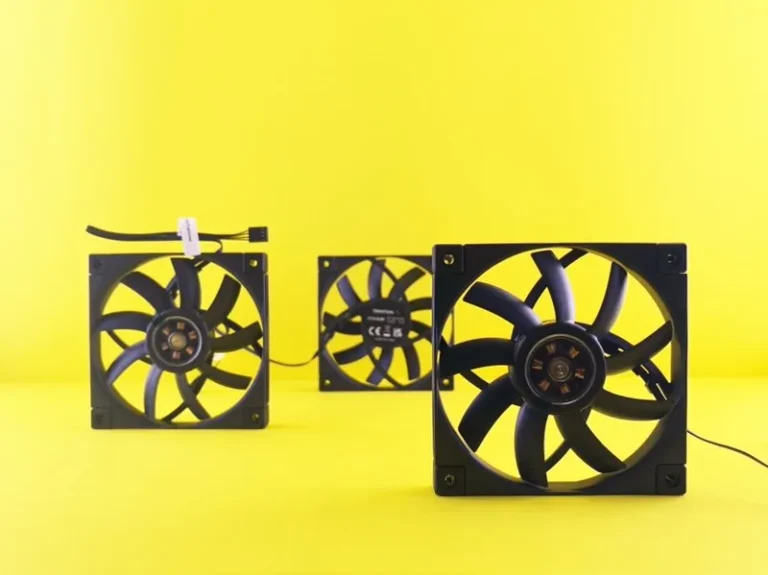
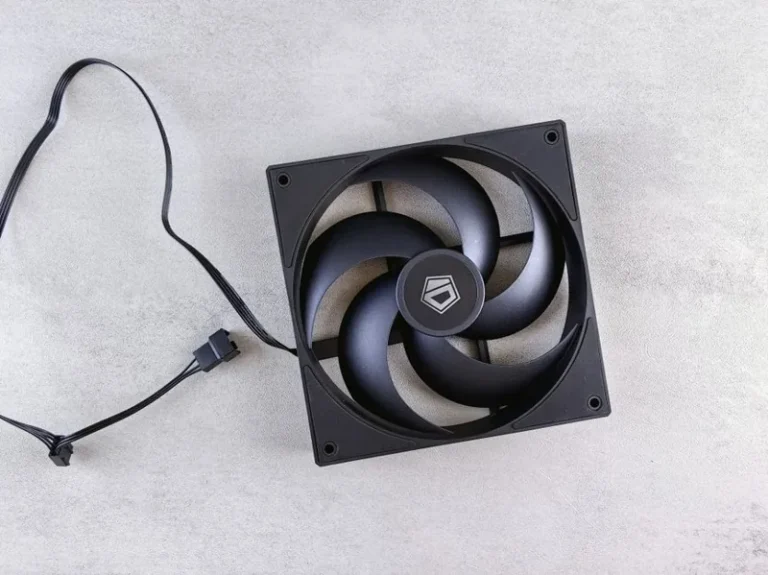
Noise is worth checking before you buy as well. VR often means no in-game audio cues masking fan din, so a case with larger, slower-spinning fans keeps the tower quieter during long sessions. Look for builds that advertise a tempered-glass front with mesh side intakes, because sealed front panels look sleek but choke the airflow that VR-ready GPUs need under sustained load.
FAQ
What is the minimum GPU for VR in 2026?
An RTX 5060 Ti or RX 9060 XT with at least 12 GB of VRAM is the realistic floor for smooth modern VR at 90 Hz.
Is 16 GB of RAM enough for a VR prebuilt?
It works for most current titles, but 32 GB is recommended so background apps and streaming do not cause stutter during VR sessions.
Can a prebuilt run wireless VR headsets like the Quest 3?
Yes. Any prebuilt with a strong GPU can stream to a Quest 3 over Wi-Fi 6 using Air Link, and wired USB-C works too.
How much should I spend on the best prebuilt gaming PC for VR?
Between $1,200 and $2,500 is the sweet spot. Below $1,500 you compromise; above $2,500 you are paying for top-end simulator performance.
Is it cheaper to build than buy for VR?
Building saves money at the midrange if you are comfortable with assembly, which we outline in our how much does it cost to build a gaming PC guide.
Conclusion
The best prebuilt gaming PC for VR in 2026 is whichever rig matches your GPU budget without cheaping out on VRAM or cooling. Match your headset resolution to your chosen GPU tier, insist on an upgrade-friendly case and a real warranty, and you will have a tower that keeps every VR session smooth for years. Start with our best gaming PC build 2026 guide to compare prebuilt value against a DIY build line by line.