Is Liquid Cooling for PC Worth It? Cost, Temps, and the Honest Answer
So is liquid cooling for PC worth it? For most gamers the honest answer is no, unless you run a flagship CPU or care a lot about looks and silence. A $40 air cooler handles the vast majority of gaming processors perfectly well, and a $120 AIO often buys you only a handful of degrees and a cleaner aesthetic rather than real performance.
But there are genuine cases where liquid cooling is the right call, and understanding the cost, the temperature difference, and the risk tells you which side you are on. This guide gives you the straight numbers so you can spend on cooling only when it actually matters.
The Real Temperature Difference vs Air
The first thing to get straight is what you are actually paying for. On a midrange CPU like a Ryzen 5 or Core Ultra 5, a good air cooler and a 240mm AIO will land within a few degrees of each other, and both will keep the chip well out of thermal trouble.
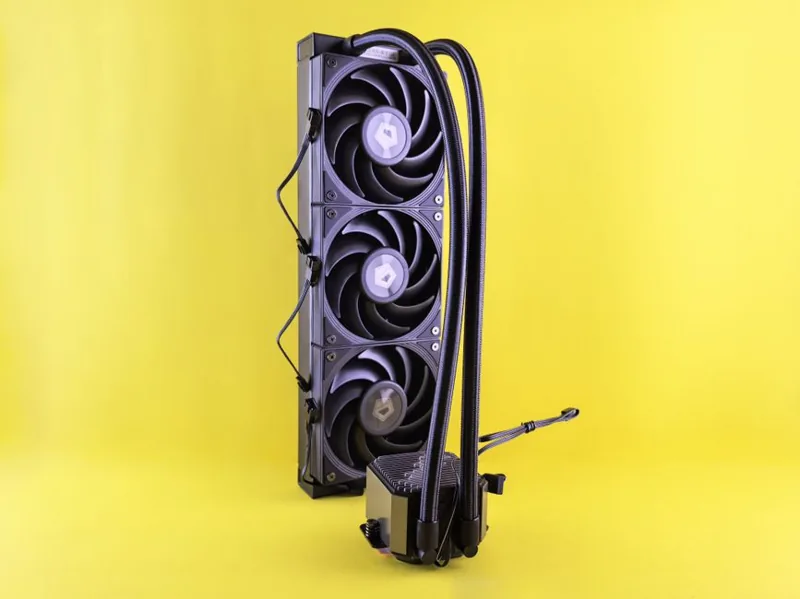
The gap opens up at the high end. On a Ryzen 9 7950X3D or an Intel Core Ultra 9 pushed under sustained load, a 360mm AIO can run 10 to 15 degrees cooler than a large air cooler, which lets the chip hold higher boost clocks for longer and reduces fan noise at the same time.
| Cooler Type | Typical Price | Ryzen 5 / i5 Load Temp | Ryzen 9 / i9 Load Temp |
|---|---|---|---|
| Budget air (Peerless Assassin) | ~$40 | ~70°C | ~90°C (throttles) |
| High-end air (NH-D15) | ~$120 | ~65°C | ~85°C |
| 240–280mm AIO | ~$90–$150 | ~62°C | ~78°C |
| 360mm AIO | ~$120–$300 | ~60°C | ~72°C |
The pattern is obvious: on a midrange CPU the air cooler is already fine, while on a flagship CPU the AIO genuinely earns its price. In short, the answer depends almost entirely on which chip is in the socket.
Is Liquid Cooling for PC Worth It? When It Makes Sense
There are five situations where spending on liquid cooling is clearly justified.
You Run a 250W-Class Flagship CPU
Chips like the Ryzen 9 9950X3D and Intel Core Ultra 9 draw enormous power under load, and air cooling simply runs out of headroom. A 360mm AIO is the practical answer, not a luxury.
You Overclock
If you push voltages and clocks, the extra thermal headroom of a large radiator translates directly into stable, higher clocks. For this crowd, the upgrade is almost always worth it.
You Build in a Small Case
Mini-ITX and compact cases often cannot fit a tall tower cooler at all. A slim 240mm AIO mounted to a radiator bracket is frequently the only way to cool a powerful CPU in a tight chassis. Our small form factor gaming PC guide leans on AIOs for exactly this reason.
You Want a Quieter System
A large radiator with slow-spinning fans is quieter under load than an air cooler fighting to keep a hot chip in check. If silence matters, liquid pays for itself in comfort rather than frames.
Aesthetics Arguably Count, Too
A clean AIO over an exposed motherboard tray looks better to most people than a big metal fin stack. It is a legitimate reason, as long as you accept you are paying for the look.
When Liquid Cooling Is NOT Worth It
For a $1,000 or $1,200 gaming build built around a Ryzen 5, Core Ultra 5, or even a Ryzen 7 9800X3D, a $40 to $90 air cooler does the entire job. That saved $60 to $100 is better spent on a faster GPU or a bigger SSD, both of which produce measurable performance gains a cooler cannot.
There is also an honesty test many people skip. If your CPU already stays under 80°C on a $40 air cooler, adding liquid cooling will change literally nothing about your frame rate. It will only change noise and looks. Review our best CPU cooler 2026 list before you assume you need to jump to water.
Reliability and Risk: The Air Advantage
Air coolers have one big long-term edge: they effectively cannot fail. There is no pump, no fluid, and nothing to leak. A fan might wear out after years, but replacing a $15 fan is trivial.
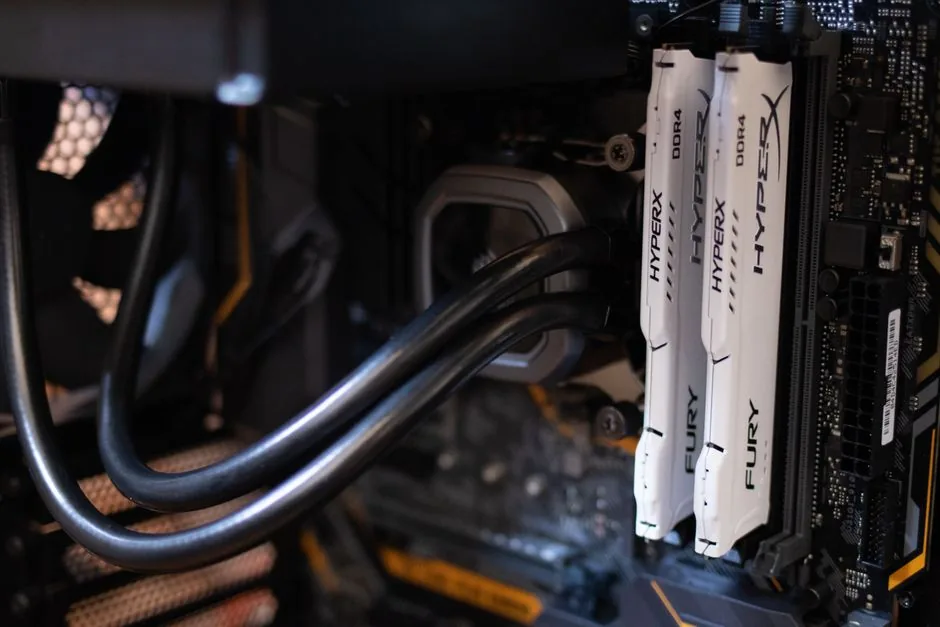
An AIO introduces a pump that can fail and, very rarely, a seal that can fail. Modern AIOs are extremely reliable and factory-sealed, but the pump is a single point of failure an air cooler simply does not have. Expect an AIO to last five to seven years; if the pump dies, the whole unit usually gets replaced rather than repaired. A dead pump can also let the CPU overheat quickly, so a basic air cooler remains the safer choice for a set-and-forget machine.
Custom open loops add user error to the equation. A poorly seated fitting can leak, and a leak inside a running system can destroy components. This is the real reason custom loops stay niche despite their performance.
Does Liquid Cooling Improve Performance?
Only indirectly. Cooling does not make a CPU faster by itself; it simply prevents thermal throttling and lets boost clocks run higher and longer. If your current cooler already keeps the chip below its throttle point, upgrading to liquid will not raise your frame rate.
The practical test is simple: watch your temperatures under load. If the CPU sits in the 90s and clocks drop, better cooling will help. If it sits in the 70s, save your money. For a deeper look at what happens when a chip runs hot, see our CPU thermal throttling fix guide.
How to Decide in Two Minutes
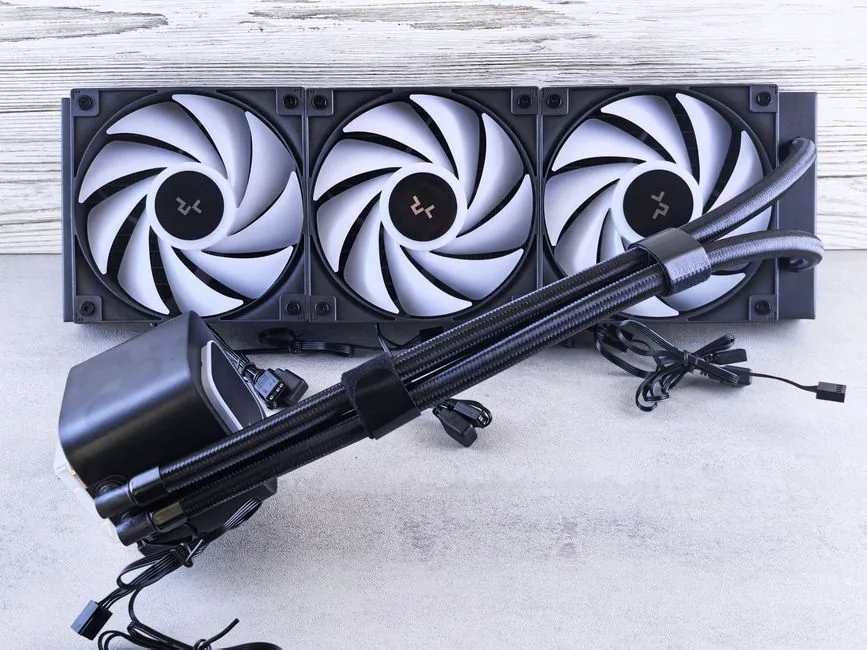
Match your situation to the list. A flagship CPU that runs hot, an overclocking habit, a small case, or a strong preference for silence all justify a $100 to $150 AIO. A midrange CPU in a standard ATX case does not, and that money belongs in the graphics card instead.
If you do go liquid, a 280mm or 360mm AIO from Arctic, Lian Li, or Corsair is the sensible middle ground between air and a full custom loop. You can see how that fits into a complete machine in our best gaming PC build 2026 guide and the AIO vs air cooler breakdown.
FAQ
Is water cooling worth the money for gaming?
Only if you run a flagship CPU, overclock, build in a small case, or prioritize silence. For a midrange gaming CPU, a quality air cooler is cheaper and equally effective.
Does liquid cooling increase FPS?
Not directly. It raises frame rates only when your current cooler lets the CPU thermal-throttle; otherwise performance stays the same.
How long does an AIO liquid cooler last?
A modern sealed AIO typically lasts five to seven years before the pump wears out or fluid permeates. It is a replace-not-repair part.
Is liquid cooling louder than air?
Under load, liquid is usually quieter because a large radiator can shed heat with slow fans. At idle, a good air cooler is effectively silent too.
Should a $1,000 build use liquid cooling?
Rarely. The money is better spent on a faster GPU or SSD, since a midrange CPU in that price bracket is easily tamed by a $40 to $90 air cooler.
Conclusion
So is water cooling worth it? For flagship CPUs, overclockers, compact builds, and silence seekers, yes. For everyone else, a good air cooler delivers the same real-world gaming performance for far less. The honest move is to match the cooling to the chip, not to buy water for its own sake. That single rule saves most builders $50 to $100 they can redirect toward a faster GPU.
If you want independent temperature data, Tom’s Hardware and Gamers Nexus publish the most thorough cooler reviews. And before you finalize the rest of your rig, our best CPU for gaming 2026 guide will help you pick the chip that decides whether you even want liquid in the first place.