Low Power Gaming PC Build 2026: Quiet, Efficient Parts List
A low power gaming PC build is the right call in 2026 if you want solid 1080p or 1440p frame rates without a machine that turns your room into a space heater and your electricity bill into a problem. Modern efficient parts — a 65 W CPU, a sub-120 W GPU, and an 80 Plus Gold or Platinum power supply — can deliver a genuinely capable gaming rig that idles under 30 W and stays under 250 W even under full load. That means less heat, less fan noise, and a smaller electricity cost every single month.
This guide lays out a complete low power gaming PC build with a parts list, expected power draw, and the trade-offs you accept in exchange for efficiency. If your first priority is raw performance per dollar instead, start with our best gaming pc build 2026 guide, and if you are building on a strict budget, see best budget gaming pc build under 1000.
The Low Power Gaming PC Build Parts List
Here is a balanced, efficient low power gaming PC build for 2026. Power figures are typical whole-system draw estimates under a gaming load, not peak component TDPs.
| Component | Part | Approx. Price (USD) | Est. Load Draw |
|---|---|---|---|
| CPU | AMD Ryzen 5 7600 (65 W) | $185 | ~65 W |
| GPU | NVIDIA GeForce RTX 4060 (115 W) | $299 | ~115 W |
| Motherboard | ASRock A620I Lightning Wi-Fi (mini-ITX) | $139 | ~15 W |
| Memory | 32 GB (2×16) DDR5-6000 CL30 | $95 | ~8 W |
| Storage | WD Blue SN580 1 TB NVMe | $60 | ~4 W |
| CPU Cooler | Noctua NH-L9a-AM5 | $45 | n/a |
| Power Supply | SeaSonic Focus Gold 550 W (80+ Gold) | $80 | ~40 W overhead |
| Case | Fractal Design Terra | $180 | n/a |
| Total | ~$1,083 | ~250 W peak |
The result is a system that pulls roughly a third of what a typical flagship gaming PC draws, yet still clears 100 FPS in competitive shooters at 1080p and holds 60 FPS at 1440p in most AAA titles. For a deeper look at the CPU side of that efficiency story, read best budget cpu for gaming.
Why Efficiency Matters More in 2026
Electricity prices have risen steadily across North America and Europe, and a gaming PC that draws 500–600 W under load for three hours a day costs noticeably more to run than one that draws 200–250 W. Over a year of heavy use, the gap can approach $60–120 depending on your local rates. A low power gaming PC build also runs cooler, which extends component life and lets you use smaller, quieter cooling.
There is a second, often overlooked benefit: a low-draw system is far easier to keep near-silent. When a GPU barely cracks 120 W and a CPU sits at 65 W, a single large slow-spinning fan can keep everything cool. If you want to push that silence even further, our silent gaming pc build guide covers fan curves and case selection in detail.
CPU: The Ryzen 5 7600 Is the Efficiency Sweet Spot
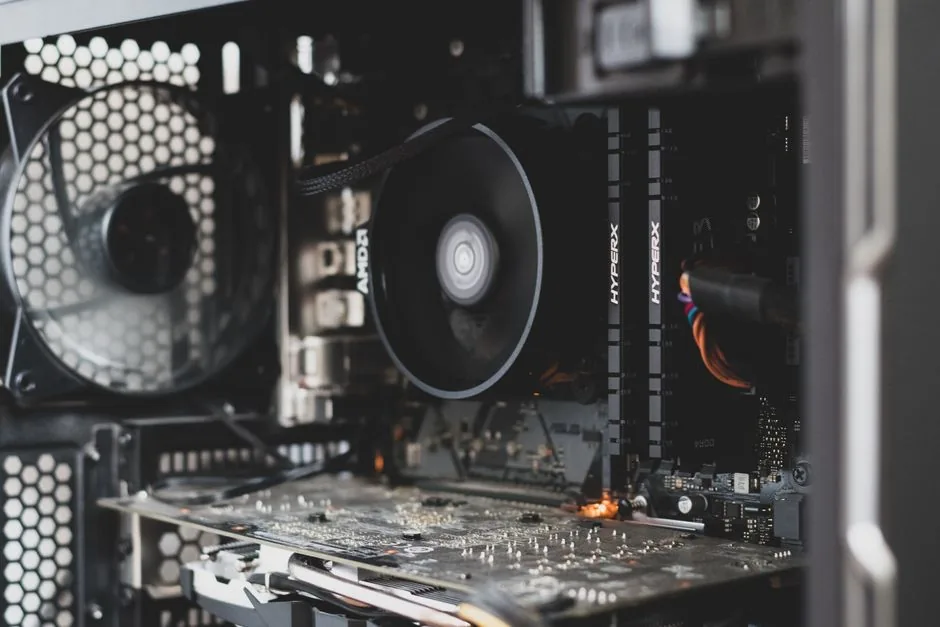
For a low power gaming PC build, the Ryzen 5 7600 is the default choice. Its 65 W TDP is a fraction of what the flagship X3D chips draw, yet its six Zen 4 cores are plenty fast enough to keep an RTX 4060 fully fed at 1080p and 1440p. Because it runs cool, you can use a compact low-profile cooler and a small case without any thermal drama.
If you occasionally need more threads for streaming or productivity, the eight-core Ryzen 7 7700 (also 65 W) is a drop-in upgrade that keeps the same power envelope. Avoid the higher-TDP variants if efficiency is the goal — the extra headroom rarely translates to better frame rates at these power limits. For a full ranking, see best cpu for gaming 2026.
GPU: The RTX 4060 Is the Efficiency King
The NVIDIA GeForce RTX 4060 is the single best GPU for a low power gaming PC build in 2026. At a 115 W TDP it delivers excellent 1080p performance and very capable 1440p, and it supports DLSS 3 with frame generation, which lets you stretch its efficiency even further in supported titles. It also requires no extra cooling beyond its stock cooler, which keeps both noise and power draw down. You can verify the official power specifications on NVIDIA’s RTX 4060 page.
The main alternative is AMD’s Radeon RX 7600, which draws about 165 W for similar raster performance — a real step up in power for little gain. Intel’s Arc B580 offers more VRAM and slightly better value but pulls around 190 W, which undercuts the whole point of this build. For a broader GPU comparison, check best gpu for gaming price to performance.
Memory, Storage, and Power Supply Choices
For memory, 32 GB of DDR5-6000 CL30 is the efficient sweet spot: it gives the Ryzen 5 7600 its full Infinity Fabric performance without the extra voltage that faster kits demand. 16 GB is workable for pure gaming, but 32 GB costs little more and leaves headroom for a browser, Discord, and a game running at once.
The power supply matters more in a low power gaming PC build than in a big one, because efficiency is highest at 40–60 percent load. A quality 550 W 80 Plus Gold unit keeps the whole system in that ideal band and wastes very little energy as heat. Do not oversize to 850 W — a power supply run far below its rated load is actually less efficient at the wall. Our best power supply for gaming pc guide lists the most reliable efficient units.
Building It Quiet and Compact
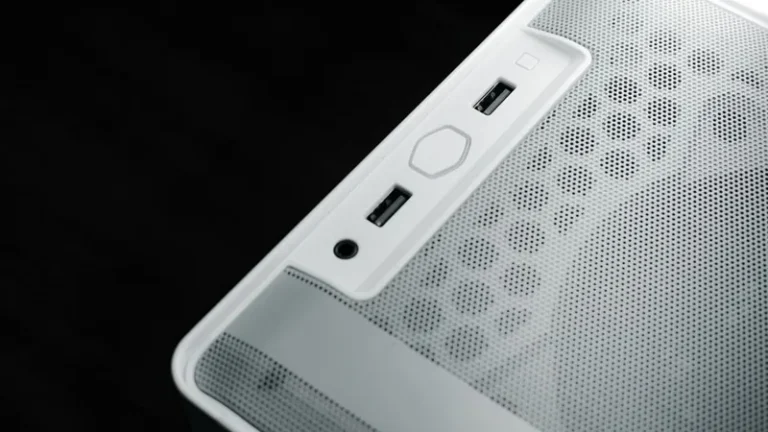
Because every component here runs cool, the build fits comfortably in a compact mini-ITX case like the Fractal Design Terra. The key to keeping it quiet is simple: set a conservative fan curve in BIOS, use one exhaust fan, and let the GPU’s zero-RPM idle mode handle low loads. At idle, the entire system should draw under 30 W and be effectively inaudible.
- Set an EXPO profile for the DDR5-6000 kit in BIOS to unlock full memory bandwidth.
- Undervolt slightly using AMD’s Curve Optimizer for a free drop in temperature and power.
- Prefer M.2 storage — NVMe drives use a fraction of the power of mechanical drives and cut load times.
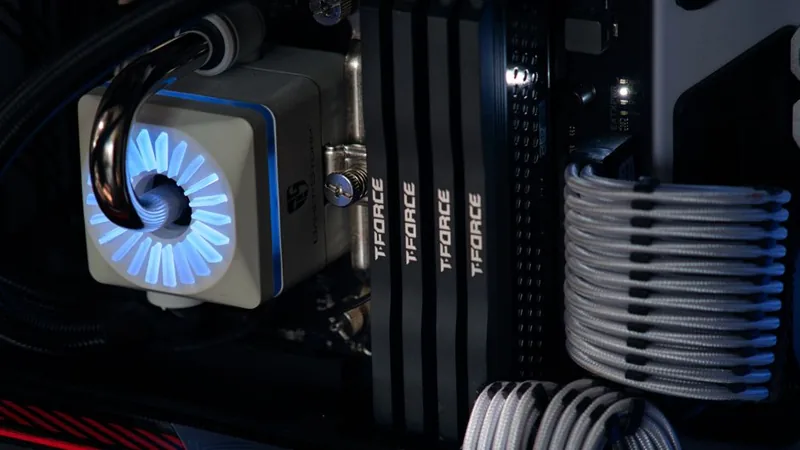
- Skip RGB or disable it — lighting adds heat, power draw, and cost with zero performance benefit.
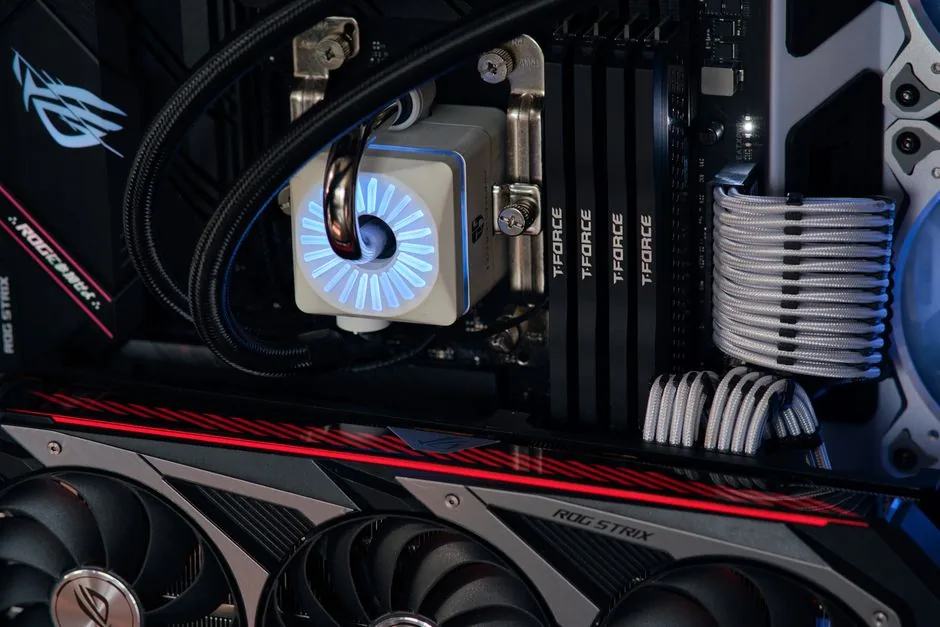
For the step-by-step assembly process, our how to build a gaming pc step by step guide covers the full process, and small form factor gaming pc build goes deeper into the compact-case specifics.
What Performance to Expect
A low power gaming PC build with a Ryzen 5 7600 and RTX 4060 delivers a very specific performance envelope. In competitive titles like Valorant, CS2, and Fortnite, expect 200+ FPS at 1080p. In demanding AAA games such as Cyberpunk 2077 or Alan Wake 2, expect 60–90 FPS at 1080p high settings and a comfortable 60 FPS at 1440p with DLSS quality mode. It is not a 4K machine, but it is exactly the right tool for the most common monitor resolutions in use today. Independent power-draw measurements for these exact parts are published in the individual reviews at Tom’s Hardware.
FAQ
Is a low power gaming PC build good for 1440p?
Yes, within reason. With an RTX 4060 and DLSS enabled, most AAA titles hold 60 FPS at 1440p, and competitive games run far higher. For a dedicated 1440p machine, a step up to an RTX 4060 Ti or 4070 adds efficiency cost but more headroom.
How much electricity does a low power gaming PC use?
A build like this idles under 30 W and peaks around 250 W under full gaming load. At three hours of daily use, that is roughly 20–25 kWh per month, far below the 50–70 kWh a high-end rig can consume.
Can I build a low power gaming PC without a graphics card?
Yes. An AMD Ryzen 7 8700G APU delivers 1080p gaming at low-to-medium settings with no dedicated GPU and a total system draw under 150 W. It sacrifices frame rate and fidelity but maximizes efficiency.
Is a mini-ITX low power build harder to assemble?
Slightly, because space is tighter, but this build uses low-profile parts specifically chosen to fit. With a modular power supply and a little cable planning, it is no more difficult than any mid-tower build.
Conclusion
A low power gaming PC build in 2026 is the smart choice if you care about noise, heat, and your electricity bill without giving up real gaming performance. Pair a 65 W Ryzen 5 7600 with a 115 W RTX 4060, back them with a 550 W 80 Plus Gold unit, and house the whole thing in a compact case — and you get a 1080p and 1440p-capable machine that idles under 30 W. It runs cool, stays quiet, and costs noticeably less to operate month after month. For more build ideas across every budget, browse best gaming pc build 2026.