Best GPU for Gaming Price to Performance: Top Value Cards in 2026
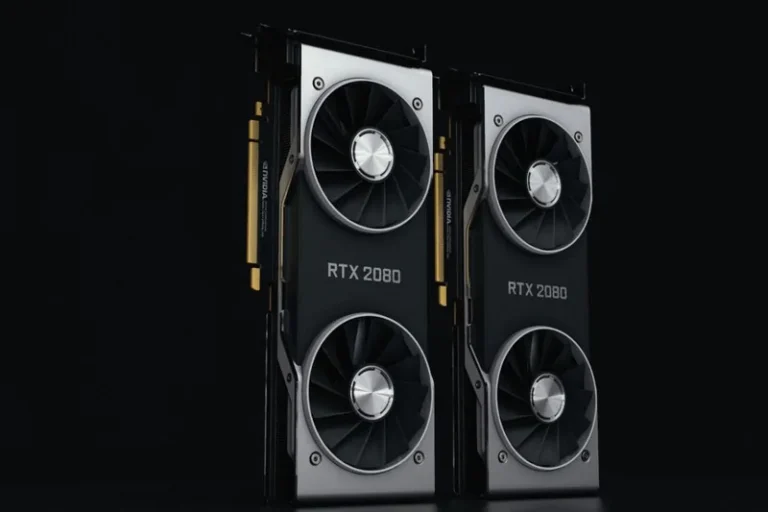
Finding the best gpu for gaming price to performance means spending where it counts and skipping the hype. A flagship card that costs $1,999 rarely delivers twice the frames of a $600 card, and the middle of the stack is where smart money lives in 2026.
In this guide, I’ll rank the cards that give you the most performance per dollar, break down real frame rates and cost-per-frame figures, and show you exactly where each tier starts to lose value.
What Does Price to Performance Actually Mean?
Price to performance is the amount of frames you get for each dollar you spend. The cleanest way to measure it is cost per frame, which you calculate by dividing the card’s street price by its average frame rate at a target resolution.
For example, a $549 GPU that averages 110 FPS at 1440p costs about $4.99 per frame. A $999 GPU that averages 165 FPS costs $6.05 per frame. The cheaper card wins the value battle even though the expensive one is faster, because most users won’t notice the gap outside a frame counter.
However, raw cost per frame is only one lens. VRAM capacity, upscaling quality, and driver stability all affect how long a card stays useful. Therefore, I factor those in when I call something a value pick.
The Best GPUs for Price to Performance in 2026
Here is the current value landscape, using typical 2026 street prices and approximate 1440p raster frame rates in modern AAA games.
| GPU | Street Price | 1440p Avg FPS | Cost per Frame | Best For |
|---|---|---|---|---|
| Intel Arc B580 | ~$249 | ~60 FPS | $4.15 | 1080p esports, budget builds |
| AMD Radeon RX 9060 XT | ~$399 | ~85 FPS | $4.69 | 1080p/1440p value |
| NVIDIA RTX 5060 Ti | ~$429 | ~90 FPS | $4.77 | 1440p with DLSS |
| NVIDIA RTX 5070 | ~$549 | ~115 FPS | $4.77 | 1440p high refresh |
| AMD Radeon RX 9070 XT | ~$599 | ~125 FPS | $4.79 | 1440p/entry 4K |
| NVIDIA RTX 5080 | ~$999 | ~165 FPS | $6.05 | 4K and high-refresh |
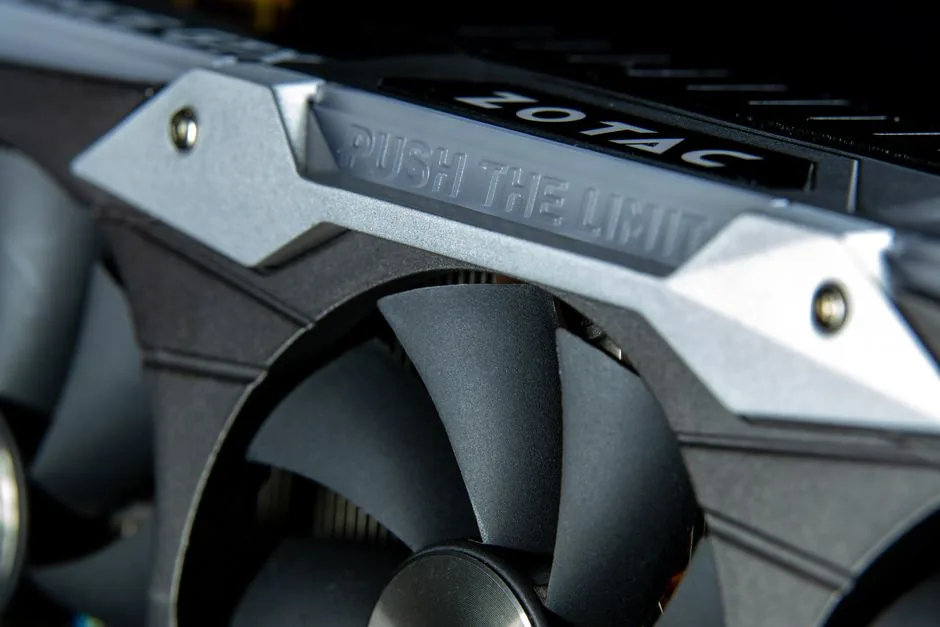
Intel Arc B580 — Best Under $300
The Arc B580 is the budget champion. At around $249 with 12GB of VRAM, it handles 1080p esports at high refresh rates and even dips into 1440p on older titles. Intel’s driver support has matured enough that it’s now a safe recommendation for value-first builders.
AMD Radeon RX 9060 XT — Best Mid-Range Raster Value
AMD’s RX 9060 XT lands at roughly $399 and delivers excellent raw rasterization for the price. If you don’t care about ray tracing and just want strong 1080p and 1440p performance, this is one of the best buys on the market.
NVIDIA RTX 5070 — Best Overall Value
The RTX 5070 at $549 is the sweet spot for most gamers in 2026. It pairs strong raster performance with DLSS 4 upscaling and solid ray tracing. At a hair under $5 per frame, it offers flagship-adjacent experiences for a fraction of the price.
AMD Radeon RX 9070 XT — Best for 4K on a Budget
If you want to taste 4K without a four-figure GPU, the RX 9070 XT at $599 is the answer. It pushes past 60 FPS at 4K in most titles and excels at 1440p ultra settings plus high refresh.
Budget Tier: What $250 to $350 Buys in 2026
The budget tier has never been stronger. In addition to the Arc B580, the NVIDIA RTX 5060 and AMD RX 9060 both hover in this range once sales hit. These cards are built for 1080p at high refresh rates, and they’ll comfortably run esports titles at 144+ FPS.
For this budget, pair the card with a 1080p 165Hz monitor rather than stretching to 1440p. The extra refresh rate at lower resolution delivers a smoother experience than a higher resolution pushed to the card’s limit.
Mid-Range Sweet Spot: $400 to $650
This is where price to performance peaks. Cards in this bracket cover high-refresh 1440p and dabble in 4K. The RTX 5070 and RX 9070 XT sit here, and both are future-proof enough to last a full console generation.
Consider what you actually play. Competitive shooters favor high frame rates, so a $549 RTX 5070 with a 240Hz monitor beats a $999 card on a 60Hz screen every time. Story-driven games at 4K might justify stretching higher, but the value curve bends sharply past $650.
High-End Value: $700 to $1,000
The RTX 5070 Ti and RTX 5080 occupy this space. On the other hand, the value story weakens here. The RTX 5080 delivers about 30% more performance than the 5070 Ti for a larger price gap, so the price-to-performance ratio drops.
Therefore, only buy this high if you’re committed to 4K gaming or plan to keep the card for four or more years. Otherwise, pocket the difference and put it toward a faster CPU or a better monitor, both of which often matter more at this tier.
How to Measure Value Beyond the Price Tag
Price per frame isn’t everything. In addition, three factors decide how long a GPU stays good value.
First, VRAM. In 2026, 12GB is the realistic minimum for 1440p, and 16GB is the comfort zone. Cards with less will age poorly as texture requirements climb.
Second, upscaling. NVIDIA’s DLSS 4 and AMD’s FSR 4 both do a great job, but DLSS remains the more mature and widely supported option. It effectively extends a card’s useful life by years.
Third, drivers and resale. NVIDIA cards hold resale value better, but AMD cards often drop in price sooner, which makes them great used deals. Check real-world review data on TechPowerUp’s GPU database before you commit to any model.
Used and Previous-Gen GPUs: The Real Value Hack
The best price to performance in 2026 often lives in the used market. Last generation’s flagship cards drop hard in price the moment a new series launches, even though they still perform beautifully.
For example, an RTX 4070 Super or RX 7800 XT can be found used for $350 to $450, delivering 1440p performance that rivals new $550 cards. In addition, previous-gen cards have mature drivers and known reliability, which removes much of the early-adopter risk.
However, buying used carries its own caveats. Check the card’s condition, confirm it wasn’t mined on heavily, and buy from a seller with a return policy. A card with a remaining manufacturer warranty is worth a premium over one without.
Ray Tracing and Upscaling: The Hidden Value Multiplier
Upscaling technologies quietly extend a GPU’s lifespan, and they shift the value math. NVIDIA’s DLSS 4 and AMD’s FSR 4 let a mid-range card render at a lower internal resolution and upscale to your monitor’s native resolution, often recovering 30% to 50% more performance.
Therefore, a $549 RTX 5070 with DLSS can outperform a $700 card that lacks strong upscaling in supported titles. If you play a lot of ray-traced games, DLSS matters even more. In contrast, pure esports players who run at native resolution can safely ignore upscaling and buy the cheapest strong raster card they can find.
How Prices Fluctuate and When to Buy
GPU prices move constantly, and timing can save you $50 to $100 on the same card. Prices typically dip after a new generation launches, during Black Friday and holiday sales, and when a competing card releases at a similar tier.
Therefore, if you can wait a few weeks, track prices across a couple of retailers rather than buying on launch day. Mid-range cards in particular see frequent $20 to $40 discounts that add up fast.
FAQ
What is the best GPU for the money in 2026?
The NVIDIA RTX 5070 at around $549 is the best GPU for gaming price to performance for most people. It balances strong 1440p performance, DLSS 4, and ray tracing at roughly $5 per frame.
Is a $400 GPU enough for 1440p gaming?
Yes. The RX 9060 XT and RTX 5060 Ti both handle 1440p at 60 to 90 FPS in most titles. For 1440p at 144Hz and above, step up to a $550-class card.
How much VRAM do I need in 2026?
12GB is the minimum for 1440p, and 16GB is safer for the next several years. For 4K, aim for 16GB or more.
Should I buy NVIDIA or AMD for value?
AMD usually wins on raw raster performance per dollar, while NVIDIA wins on ray tracing, upscaling, and resale value. For pure price to performance in the mid-range, both the RX 9070 XT and RTX 5070 are excellent depending on your priorities.
How often should I upgrade my GPU?
Every two to three years is typical for enthusiasts, while most casual gamers upgrade every four to five years. Check our GPU vs CPU for gaming guide if you’re unsure which component to change first.
Conclusion
The best gpu for gaming price to performance in 2026 sits in the $400 to $650 range. Specifically, the RTX 5070 and RX 9070 XT deliver the strongest blend of frames, features, and longevity for the money.
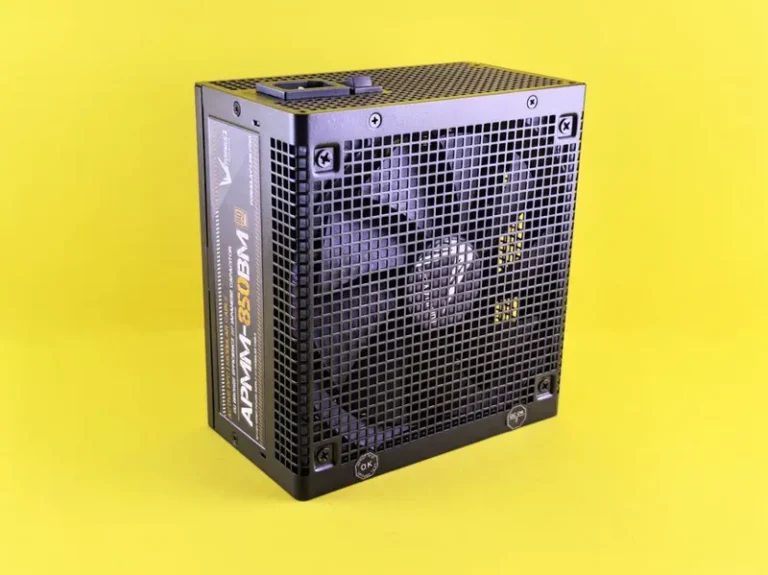
Before you buy, make sure your power supply can feed the card — our best power supply for gaming PC guide covers wattage. Then match the card to a display that can show its output with our best gaming monitor 2026 picks. If you also need a new processor to keep up, our CPU upgrade cost breakdown will help you plan the whole build.
Keep an eye on official specs from NVIDIA and your preferred retailer as sales shift prices month to month — and remember, the card that best fits your resolution and games is always the real winner.