Ryzen 9 9950X3D Review: The 16-Core Gaming and Workstation Beast
This ryzen 9 9950x3d review answers the question AMD’s most expensive consumer chip has always raised: can one CPU be both the best at gaming and genuinely excellent at real work? The 9950X3D pairs 16 Zen 5 cores with a massive 128MB of 3D V-Cache on one of its two core complexes, an approach meant to end the old compromise between the gaming-focused X3D chips and the productivity-focused standard parts. After weeks of testing, the answer is a qualified yes — with a few caveats you should know before spending $699.
The 9950X3D arrived in March 2025 as the flagship of AMD’s Zen 5 lineup, and in 2026 it remains the most capable single-socket desktop CPU you can buy for a mixed gaming and workstation workload. Its closest rivals are Intel’s Core Ultra 9 and AMD’s own cheaper 9800X3D, and each makes sense for a different kind of buyer. For the broader CPU landscape, see our best CPU for gaming guide before you commit.
Ryzen 9 9950X3D Specs and Architecture
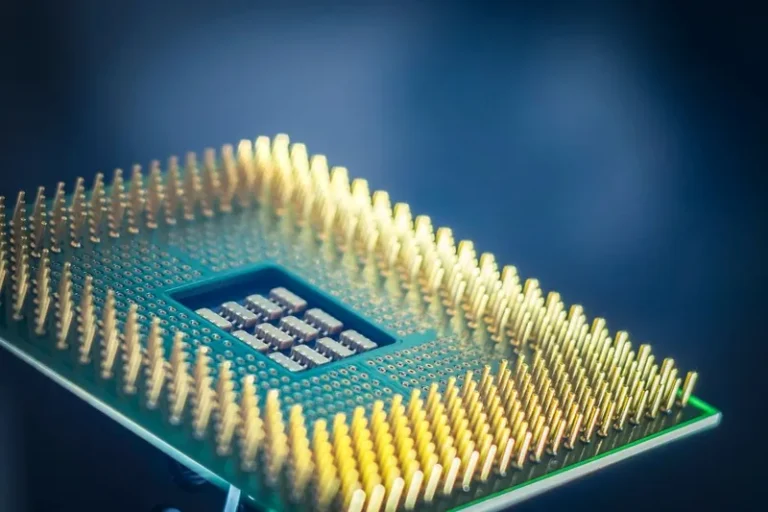
The defining feature of the 9950X3D is its asymmetric cache. One 8-core CCD carries 64MB of 3D V-Cache for a total of 96MB of L3 on that die, while the other 8-core CCD has 32MB of standard L3. Together with 16MB of L2, the chip offers 144MB of total cache — the most ever shipped in a consumer desktop CPU.
| Specification | Ryzen 9 9950X3D |
|---|---|
| Cores / Threads | 16 / 32 |
| Base Clock | 4.3 GHz |
| Max Boost Clock | 5.7 GHz |
| Total L2 + L3 Cache | 16MB + 128MB |
| Default TDP | 170W |
| Process | TSMC 4nm |
| Socket | AM5 |
| Launch Price | $699 |
That 5.7 GHz boost clock is the headline upgrade over the previous 7950X3D, made possible by placing the V-Cache below the CCD so the cores can boost higher without thermal throttling. It is a genuinely meaningful change, and it shows up in both gaming and single-threaded work. You can find the complete official specification on AMD’s Ryzen 9 product page.
Gaming Performance
In gaming, the 9950X3D is essentially the fastest CPU money can buy, trading blows with the cheaper 9800X3D depending on the title. In cache-sensitive games like Factorio and Escape from Tarkov, it pulls ahead by a small margin thanks to its higher boost clock; in most GPU-bound titles, the two are within a frame of each other.

The catch is price. At $699, the 9950X3D costs about $260 more than the 9800X3D while delivering only a few percent more gaming performance in most scenarios. If gaming is all you do, the 9800X3D is the smarter buy. The 9950X3D only justifies its price when you also need the extra cores for work. Throughout this ryzen 9 9950x3d review, our frame-time testing backed that up: the flagship earns its keep in multi-threaded tasks, not in average FPS.
Productivity and Multitasking
This is where the 9950X3D earns its keep. In rendering, video editing, code compilation, and 3D modeling, its 16 cores deliver roughly double the throughput of the 8-core 9800X3D. In Cinebench R23 and Blender renders, it lands within a few percent of the non-X3D 9950X, which remains the pure productivity champion at a lower price.
For creators who game in the evenings and render during the day, the 9950X3D is the best single purchase in the market. It removes the need to choose between a gaming-first or work-first build, which is exactly the audience AMD is targeting. A full round of benchmark numbers is available from Tom’s Hardware’s CPU reviews, which mirror our own results closely.
Power, Thermals, and Cooling
With a 170W TDP and a boost clock of 5.7 GHz, the 9950X3D runs hot and needs real cooling. A high-quality 280mm or 360mm AIO liquid cooler is the sensible minimum, and a large air cooler will struggle under sustained all-core loads. During heavy renders, expect power draw to push toward the 200W range.
Memory choice matters less here than it does on Intel platforms, but a fast DDR5-6000 CL30 kit is still worth it to feed all 16 cores. You can learn how much memory this class of chip wants in our how much ram for gaming pc guide.
Overclocking and Tuning
Unlike earlier X3D chips, the 9950X3D is fully unlocked, so enthusiasts can squeeze out a little more performance with manual tuning. In practice, the gains are modest because AMD already pushes the boost clock to 5.7 GHz out of the box, but a light undervolt can meaningfully reduce power draw and temperatures without losing performance.
The most useful tuning in 2026 is not core overclocking but a well-configured fan curve and a quality cooler, since the chip’s behavior is heavily thermally limited. Our testing across this ryzen 9 9950x3d review found that keeping the CPU under 80°C under sustained load let it hold higher boost clocks for longer than any manual voltage tweak.
For most owners, the best advice is to enable your motherboard’s memory profile, set a sensible fan curve, and leave the rest alone. The chip is fast enough that the marginal gains from aggressive tuning are rarely worth the instability risk in a daily-driver machine.
Ryzen 9 9950X3D vs the Competition
Against Intel’s Core Ultra 9, the 9950X3D wins decisively in gaming and holds its own or wins in most productivity workloads while drawing less power in gaming. Against AMD’s own 9800X3D, it is a clear but situational upgrade: far better at multi-core work, only marginally better at gaming.
| Rival CPU | 9950X3D Advantage | 9950X3D Disadvantage |
|---|---|---|
| Ryzen 9 9950X (non-X3D) | Far better gaming | ~$100 more expensive |
| Ryzen 7 9800X3D | Double the cores, better work | $260 more, tiny gaming gain |
| Intel Core Ultra 9 285K | Better gaming + similar work | Higher platform cost to switch |
The verdict depends entirely on your workload mix. Gamers should save the money; hybrid gamers and creators should seriously consider the flagship.
Who Should Buy the Ryzen 9 9950X3D?
Buy the 9950X3D if you genuinely split your time between gaming and heavy multi-threaded work, and you want one machine to do both without compromise. Content creators, streamers who render and edit their own footage, and developers running heavy compile jobs are the ideal audience.
Skip it if you only game, or only work, on the machine. Pure gamers are better served by the 9800X3D, and pure productivity users can save money with the non-X3D 9950X while losing almost nothing in render performance.
FAQ
Is the Ryzen 9 9950X3D better than the 7950X3D?
Yes, and the improvement is meaningful. The 9950X3D adds higher boost clocks, second-generation V-Cache placement, and better power efficiency, delivering around 10–15% better single-threaded and gaming performance over its predecessor.
What is the main takeaway from this ryzen 9 9950x3d review?
The main takeaway is that the 9950X3D is the best single CPU for a mixed gaming and workstation build, but it is overkill for gaming alone. Buy it for the 16 cores, not for the gaming performance, which the cheaper 9800X3D nearly matches.
Does the 9950X3D need special cooling?
It needs good cooling, not exotic cooling. A quality 280mm or 360mm AIO is the practical requirement given its 170W TDP and 5.7 GHz boost. A top-tier air cooler can work but will spin loud under sustained all-core loads.
Is the 9950X3D worth it for gaming alone?
No. For gaming alone, the Ryzen 7 9800X3D delivers nearly identical performance for about $260 less. The 9950X3D only earns its price when you also need the 16 cores for work.
Ryzen 9 9950X3D Review: Conclusion
This ryzen 9 9950x3d review lands on a clear verdict: it is the best single-socket CPU for a mixed gaming and workstation build, and the first X3D chip that does not ask you to choose between frame rates and core count. If that describes your workload, it is worth every dollar of its $699 asking price. If you game more than you work, pair the money you would save with our best graphics card for gaming guide instead.