RTX 5070 Build: The Best 1440p Parts List for 2026
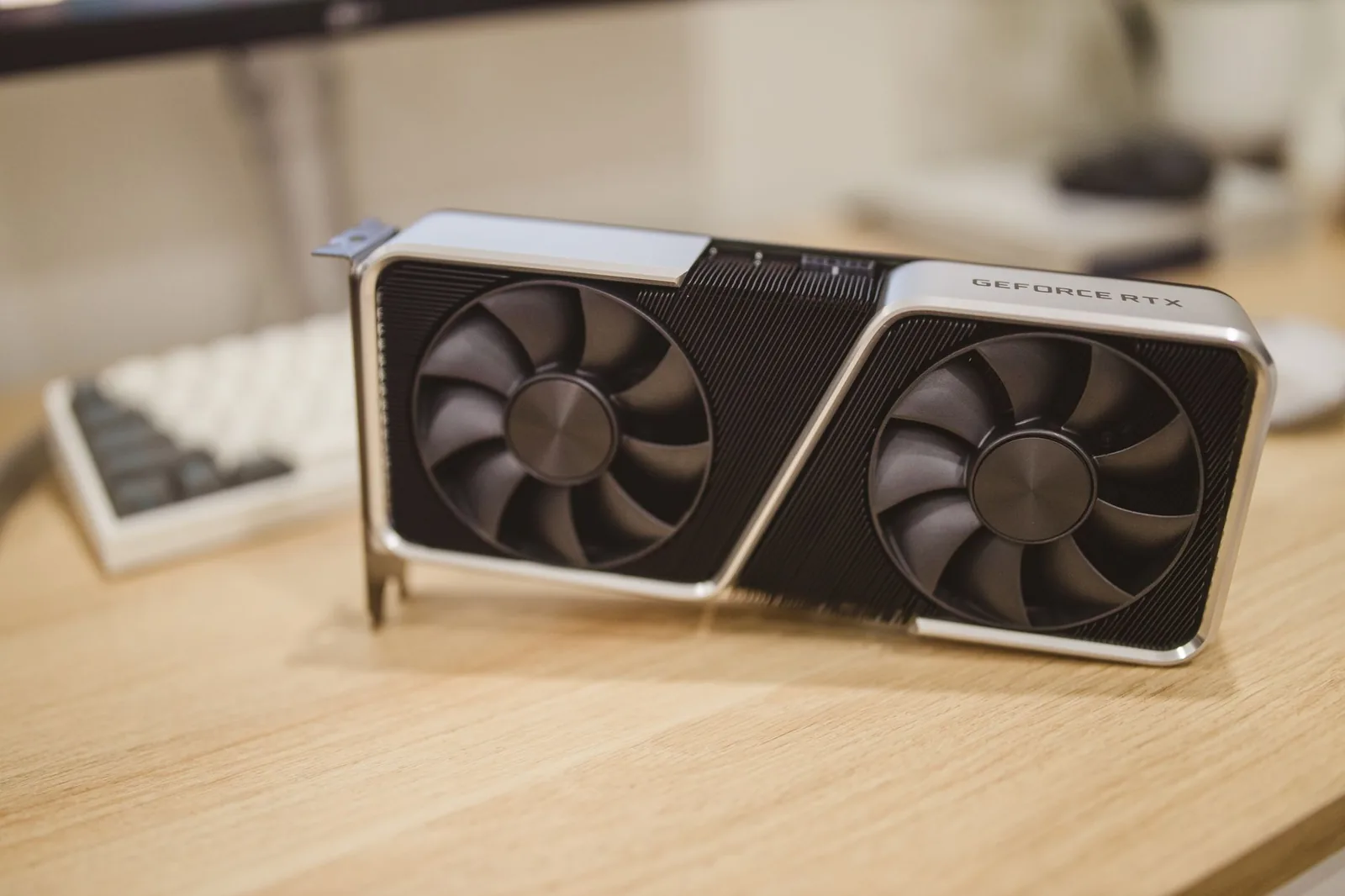
A well-planned RTX 5070 build is the current price-to-performance sweet spot for 1440p gaming. The GeForce RTX 5070 delivers roughly the raster performance of a last-generation RTX 4070 Ti Super at a lower asking price, plus the Blackwell-generation extras of GDDR7 memory and DLSS 4 multi-frame generation. Put the card in the right surrounding system and it will run essentially every modern title at 1440p with high settings and a high refresh rate. The mistake most people make with an RTX 5070 build is pairing it with either a CPU that bottlenecks it or a power supply that cannot breathe.
The short version is this: an RTX 5070 build does not need to be expensive to be balanced. Around $1,400 to $1,700 gets you a machine that will stay relevant for years. Spend the money in the right places, which means a strong mid-range CPU, a current motherboard platform, 32 GB of memory, a fast Gen4 NVMe drive, and a quality 750 W power supply.
Why the RTX 5070 Is the Right Foundation for an RTX 5070 Build
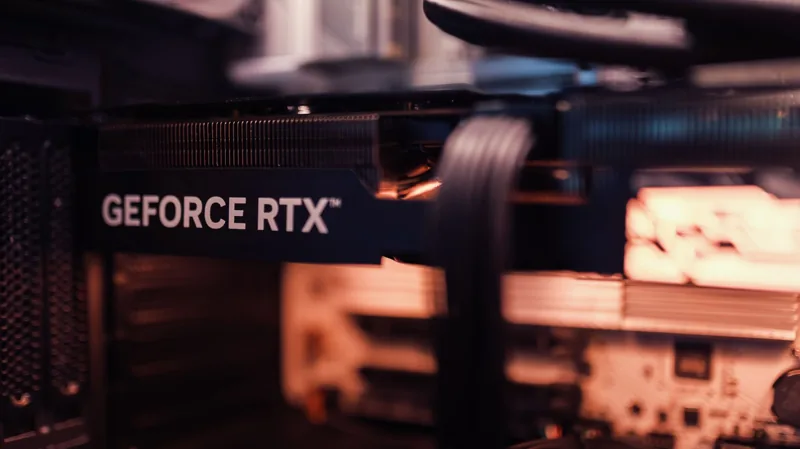
Before choosing parts, it helps to understand exactly what the GPU needs. The RTX 5070 is built on Nvidia’s Blackwell architecture with 6,144 CUDA cores, 12 GB of GDDR7 memory on a 192-bit bus, and a 250 W power rating. The shift to GDDR7 gives it about 672 GB/s of memory bandwidth, which is what keeps the card ahead of the RTX 4070 Ti at higher resolutions.
For an RTX 5070 build, the implications are practical. First, the card wants roughly 250 W under load, with board-partner models pulling slightly more. A 750 W power supply is the sweet spot, leaving headroom for a modern CPU. Second, the card runs comfortably in a mid-tower case with two or three front intake fans. Third, at 1440p the RTX 5070 is fast enough that your CPU choice matters in competitive titles, so a current-generation processor with strong single-thread performance is worth the money.
RTX 5070 Build: Complete Parts List
Here is a balanced RTX 5070 build with real 2026 street prices. Every part was chosen so that no component bottlenecks another.
| Component | Model | 2026 Price (USD) | Why This One |
|---|---|---|---|
| GPU | GeForce RTX 5070 (12 GB) | $550–$750 | The centerpiece; GDDR7 + DLSS 4 |
| CPU | AMD Ryzen 7 7800X3D | $380 | Best gaming CPU for the money |
| Motherboard | B650 (ATX, AM5) | $170 | Full features, future CPU support |
| Memory | 32 GB (2×16) DDR5-6000 CL30 | $110 | Sweet spot for AM5 |
| Storage | 2 TB PCIe 4.0 NVMe | $120 | Fast load times, plenty of room |
| CPU Cooler | 240mm AIO or dual-tower air | $90 | The 7800X3D runs cool |
| Power Supply | 750 W 80+ Gold (ATX 3.1) | $110 | Headroom + native 12V-2×6 |
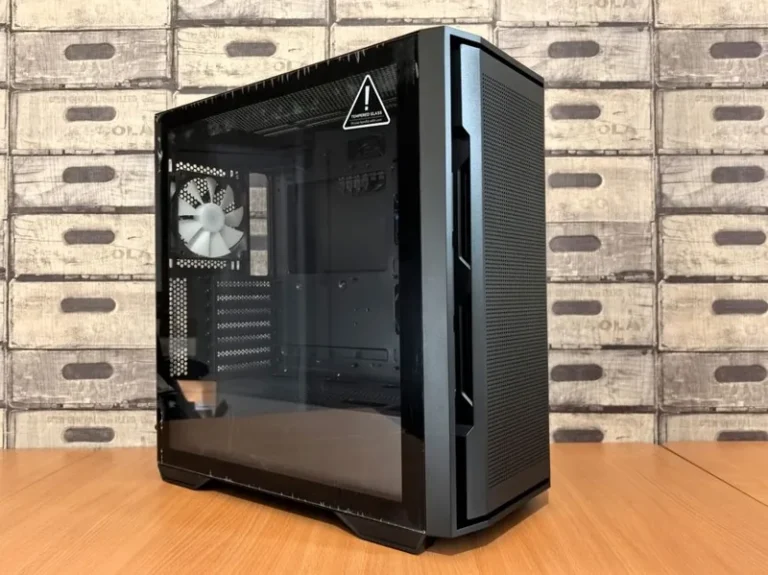
| Case | Mid-tower mesh (3 fans) | $90 | Airflow without the price |
| Total | ~$1,620 | High-end 1440p, no bottleneck |
The numbers above assume you already own a monitor, keyboard, and mouse; those are covered in my best gaming monitor 2026 guide. You can shave close to $200 from this RTX 5070 build by dropping to 16 GB of RAM and a 1 TB drive, but at current component pricing the savings are rarely worth the future compromise.
CPU and Motherboard: Don’t Bottleneck the RTX 5070
The single most common error in an RTX 5070 build is skimping on the CPU. At 1440p the RTX 5070 is fast enough that a budget quad-core chip can hold it back in CPU-bound titles like Counter-Strike 2, Valorant, and large open-world games. The Ryzen 7 7800X3D remains the best gaming processor for a fixed budget because its 3D V-Cache produces excellent frame times without asking for an expensive cooling setup.
On the Intel side, a Core Ultra 7 paired with a Z890 board is a legitimate alternative, though it typically costs more for similar gaming results. If you want to explore the Intel path, my best cpu for gaming 2026 guide breaks down the tradeoffs in detail.
For the motherboard, a B650 board on the AM5 socket is the smart default. AM5 is a supported platform with future CPU upgrades available, so a B650 board lets you drop in a faster Zen 6 or Zen 7 processor years from now without rebuilding. Avoid buying a high-end X670E board for this RTX 5070 build; the money is better spent on the GPU or storage.
Memory, Storage, and the Rest of the Supporting Cast
For a balanced RTX 5070 build, 32 GB of DDR5-6000 memory with low CAS latency is the sweet spot. DDR5 pricing has come down enough that 3 GB is not worth the savings, and modern games plus a browser and Discord running in the background will use more than 16 GB faster than you expect. If you are curious how much memory games actually need, my how much ram for gaming pc guide has the data.
Storage is another place where a small spend goes a long way. A quality 2 TB Gen4 NVMe drive with a DRAM cache keeps load times short and gives you room for a large library. For the specifics on choosing the right drive, see my best nvme ssd for gaming roundup.
The power supply deserves more attention than it gets. Nvidia’s 50-series cards use the 12V-2×6 connector, and an ATX 3.1 power supply with a native cable is the safest way to power the RTX 5070. I discuss PSU selection in depth in my best power supply for gaming pc guide. Do not reuse an old multi-rail unit from a decade-old build; a quality 750 W unit is cheap insurance for a card this valuable.
Assembly Tips and Cooling for Your RTX 5070 Build
Physically building an RTX 5070 build is the same process as any modern PC, but a couple of details matter. Install the CPU, cooler, memory, and M.2 drive into the motherboard before dropping it into the case, which is far easier than working in a cramped chassis. Route the 12V-2×6 power cable carefully so it is fully seated, and avoid sharp bends near its connector.
Cooling for this level of hardware is straightforward. Three front intake fans and a single rear exhaust fan will keep a 250 W GPU and a 7800X3D well within safe temperatures in a mesh-front case. The RTX 5070 runs noticeably cooler than the higher-end 80- and 90-class cards, so you do not need an elaborate liquid-cooling loop unless you want one for aesthetics.
FAQ
How much does an RTX 5070 build cost?
A complete, balanced RTX 5070 build costs roughly $1,400 to $1,700 in 2026, depending on how much you spend on the CPU, storage, and case. The GPU alone accounts for $550 to $750.
What CPU should I pair with an RTX 5070 build?
The AMD Ryzen 7 7800X3D is the best gaming CPU for this build. A Core Ultra 7 is a solid Intel alternative, though it usually costs more for similar frame rates.
What power supply does an RTX 5070 build need?
A 750 W 80+ Gold ATX 3.1 unit is the recommended choice. It leaves comfortable headroom and includes a native 12V-2×6 cable for the GPU.
Is 16 GB of RAM enough for an RTX 5070 build?
It will work, but 32 GB is the better long-term choice. Modern games and background apps increasingly exceed 16 GB, and memory is cheap enough that 32 GB is worth the small premium.
Can an RTX 5070 build do 4K gaming?
Yes, with DLSS enabled the RTX 5070 can handle 4K in many titles, but it is really built for 1440p. If 4K is your main goal, a faster card is worth considering, as covered in my best graphics card for gaming 2026 guide.
Conclusion
An RTX 5070 build is the cleanest way to get high-refresh 1440p gaming without overspending. The card is fast, efficient, and future-leaning thanks to GDDR7 and DLSS 4, and it only needs a sensible supporting cast to shine. Pair it with a Ryzen 7 7800X3D, 32 GB of DDR5, a fast NVMe drive, and a 750 W ATX 3.1 power supply, and you will have a machine that handles everything from competitive shooters to demanding single-player titles for years.
Before you commit to a parts list, check current pricing on PCPartPicker and the official specs on Nvidia’s RTX 5070 page. Prices on graphics cards shift often, so verify the GPU cost before locking in the rest of the build. For more complete build blueprints, my best gaming pc build 2026 guide covers alternative configurations at other budgets.