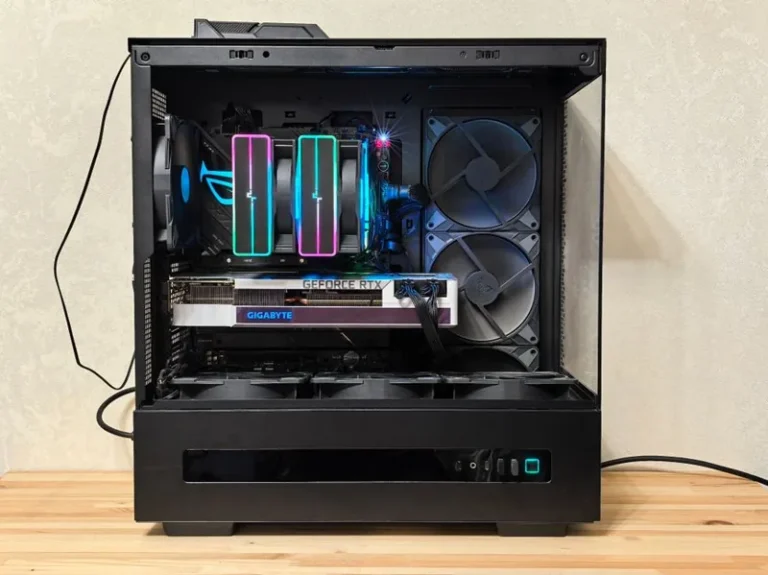

Best Gaming PC Build 2026: The Top-Value Parts List
If you are going to build once and build right, this is the best gaming PC build 2026 has to offer for most people. It targets high-refresh 1440p and entry-level 4K, costs around $1,600 to $1,800, and uses components that will not feel dated in three years. Nothing here is a placeholder; every part earns its spot.
The theme of 2026 hardware is headroom. CPUs are fast enough that they are rarely the bottleneck anymore, and the current GPU lineups finally make 4K realistic below the flagship tier. That changes which parts deserve your money, so this list spends differently than older guides would.
The 2026 Parts List at a Glance
Here is the full configuration with realistic street prices. Treat the totals as a band, since GPU pricing moves by the week.
| Component | Pick | Approx. price |
|---|---|---|
| CPU | AMD Ryzen 7 9800X3D | $480 |
| Graphics card | NVIDIA RTX 5070 Ti (16GB) | $750 |
| Motherboard | B850 ATX | $190 |
| Memory | 32GB DDR5-6000 CL30 (2x16GB) | $100 |
| Storage | 2TB PCIe 4.0 NVMe SSD | $120 |
| Power supply | 850W 80 Plus Gold | $130 |
| Case | ATX mid-tower, high airflow | $100 |
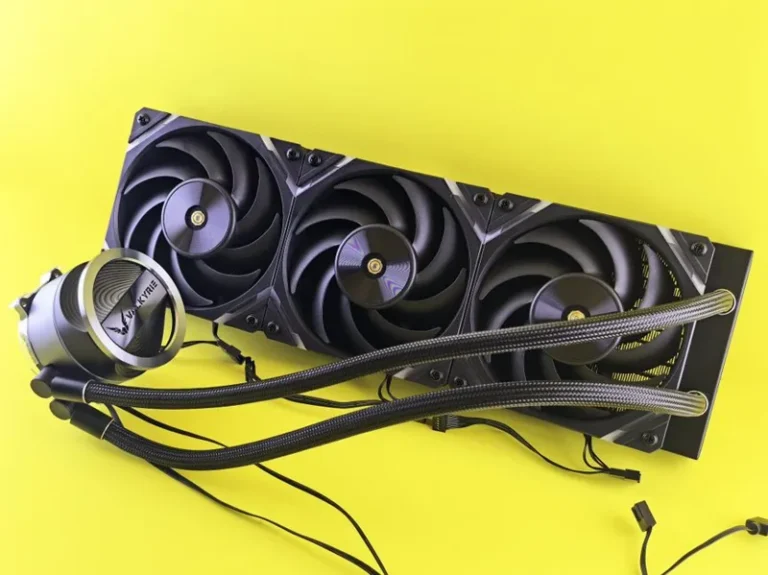
| CPU cooler | 240mm AIO liquid cooler | $90 |
Estimated total: about $1,760. If you prefer team red, swap the GPU for an AMD Radeon RX 9070 XT at roughly $650 and keep the rest identical, saving around $100.
Why the Ryzen 7 9800X3D Is the Core
The 9800X3D is the best gaming CPU in the world right now, and you do not need to be an enthusiast to justify it. Its 3D V-Cache produces frame-rate gains of 15% to 30% over standard eight-core chips in the games that care about single-thread speed, which is most of them.
The reason it earns a spot in a value build is longevity. A CPU that outruns today’s GPUs means your next graphics card upgrade will not require a platform change. You keep the motherboard, memory, and cooler, and the $480 CPU keeps paying for itself through multiple GPU generations.
Choosing the Graphics Card: 5070 Ti vs 9070 XT
Both cards are excellent, but they aim at slightly different buyers. The RTX 5070 Ti at $750 delivers stronger ray tracing and much better upscaling with DLSS 4, which matters for demanding single-player titles. Its 16GB of VRAM is the right amount for 1440p and entry 4K.
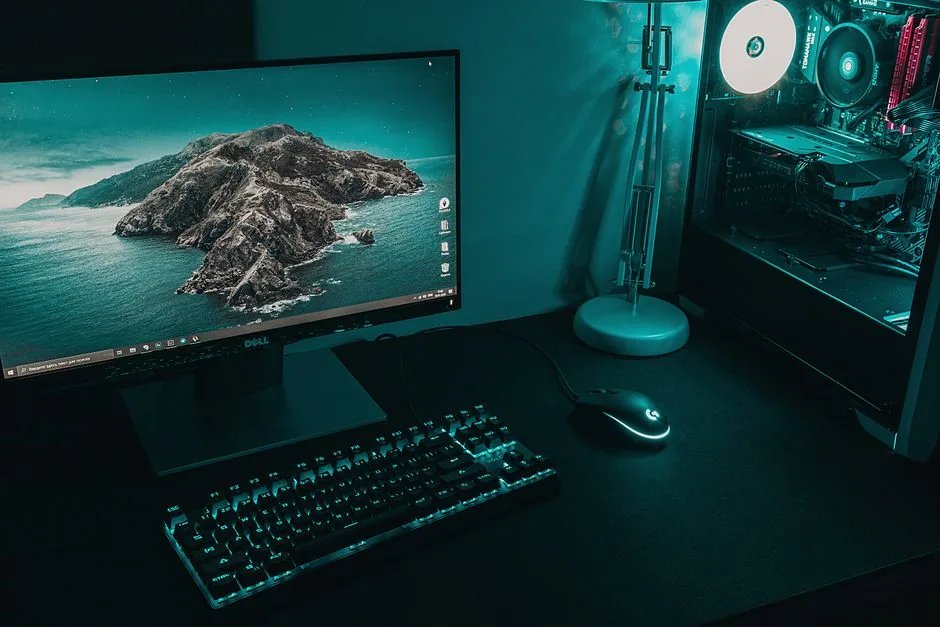
The RX 9070 XT at $650 wins on raw rasterization per dollar and carries 16GB of VRAM as well. It is the value pick if you mostly play competitive games and do not lean on ray tracing. Either card makes this a legitimate 4K-capable machine, which was hard to say at this price even a year ago.
Storage, Memory, and Power: The Boring Parts That Matter
This build uses 32GB of DDR5-6000 CL30 because it is the 2026 performance standard, and it costs only $100. The 2TB NVMe drive at $120 removes storage anxiety entirely; modern games routinely exceed 100GB, so 1TB fills fast once you own a handful of titles.
The 850W Gold power supply matters more than it looks. A high-quality unit runs quieter, holds cleaner voltage under load, and gives you room for a future flagship GPU. Buying an 850W unit now costs about $15 more than a 750W one and eliminates a teardown later.
What This Build Plays, and How Well
This machine is overkill for esports. It will push well past 200 fps in Valorant, CS2, Fortnite, and Apex at 1440p, which is far beyond what most monitors can display. Where it earns it is in heavy titles: expect 100+ fps in Cyberpunk 2077 at 1440p ultra with DLSS, and very playable 4K between 60 and 100 fps in most AAA games.
That headroom is why the best gaming PC build 2026 offerings lean on the 5070 Ti class rather than a budget card. You are not paying for a number on a chart; you are paying to not have to think about settings for the next several years.
Where You Could Spend Differently
If $1,760 is too rich, three swaps bring the total down near $1,350 without changing the character of the build. Step to a Ryzen 5 9600X ($250) to save $230, drop to a 1TB drive to save $55, and skip the AIO for a $40 tower cooler to save $50.
If you want to go the other direction, the RTX 5080 at $999 is the next GPU step and turns this into a true 4K machine. For a strict ceiling on spending, our best budget gaming pc build under 1000 list uses the same principles at half the price.
How This Best Gaming PC Build 2026 Compares to Buying
The same $1,760 spent on a prebuilt usually returns a lower-tier GPU and an upsized marketing budget. Building locks in the exact parts above. Not convinced? Walk through the trade-off in prebuilt vs custom gaming pc, and when you are ready to assemble, follow gaming pc build how to step by step.
Why Not Go Cheaper, or More Expensive?
There are build lists above and below this one, so it is worth explaining why $1,600 to $1,800 is the smart center. Go cheaper and you make a specific sacrifice: the $1,000 tier in our best budget gaming pc build under 1000 guide trades the 9800X3D and 5070 Ti class for a Ryzen 5 and an RX 7700 XT. That system is excellent, but it tops out around 1440p mid settings in the heaviest titles and has less room to grow.
Go more expensive and you hit rapidly diminishing returns. An RTX 5080 adds about $250 over the 5070 Ti for roughly 15% to 20% more frames, which is real but not transformative. The RTX 5090 nearly doubles the price of this entire build for performance most 1440p and entry-4K players will never fully use. Unless you are committed to high-refresh 4K, that money is better spent on a monitor.
The parts in this list are also deliberately stable choices. The 9800X3D and 5070 Ti have been consistently available at near-list pricing, which not every halo part can claim. A build list is only useful if you can actually buy it, so availability and price stability were part of the selection criteria here, not an afterthought.
Longevity gets one more vote. The 16GB of VRAM on both recommended GPUs is the reason this machine will age well, because modern games are already brushing against 12GB at 1440p with ray tracing on. Sixteen gigabytes is the floor for a 2026 build you intend to keep four or five years, and this list meets it without asking you to stretch for a flagship.
That balance, strong enough for 4K entry, cheap enough to justify, and easy to actually source, is what makes this the best gaming PC build 2026 has to offer most buyers.
Frequently Asked Questions
What is the best gaming PC build for 2026?
For most people it pairs a Ryzen 7 9800X3D with an RTX 5070 Ti or RX 9070 XT, 32GB of DDR5-6000, and a 2TB NVMe drive. That configuration, at $1,600 to $1,800, dominates 1440p and handles entry 4K well.
Is the RTX 5070 Ti worth it over the 5070?
For 1440p high refresh and 4K entry, yes. The 5070 Ti’s 16GB of VRAM and higher raw performance are worth the roughly $200 premium, and it ages better than the 12GB base model.
How long will this build last?
Expect four to six years of strong performance. The CPU will outlast one or two GPU upgrades, and the 16GB cards will stay comfortable at 1440p for a long time.
Can this build run 4K games?
Yes. It handles many AAA titles at 4K between 60 and 100 fps, especially with DLSS or FSR enabled. It is an ideal entry point into 4K without the $2,000 flagship premium.
AMD or NVIDIA for a 2026 build?
Both are strong. NVIDIA wins on ray tracing and DLSS upscaling, while AMD wins on raw frames per dollar. Pick based on whether you value ray-traced visuals or maximum rasterized speed.
Is a $1,760 build overkill for 1080p?
Yes, completely. This build is aimed at 1440p and entry 4K, and at 1080p it will be limited by your monitor rather than the hardware. If you play at 1080p, the best budget gaming pc build under 1000 tier is the smarter spend.
Build Once, Build This
The best gaming PC build 2026 offers is not the most expensive; it is the one that stays relevant longest. Start with this parts list, check current prices, and resist the urge to overspend on the case. For help budgeting the whole project, see how much does it cost to build a gaming pc. Cross-check benchmark numbers at Tom’s Hardware and NVIDIA’s RTX 50-series page before you commit.